Ask a Farmer at the Smithsonian

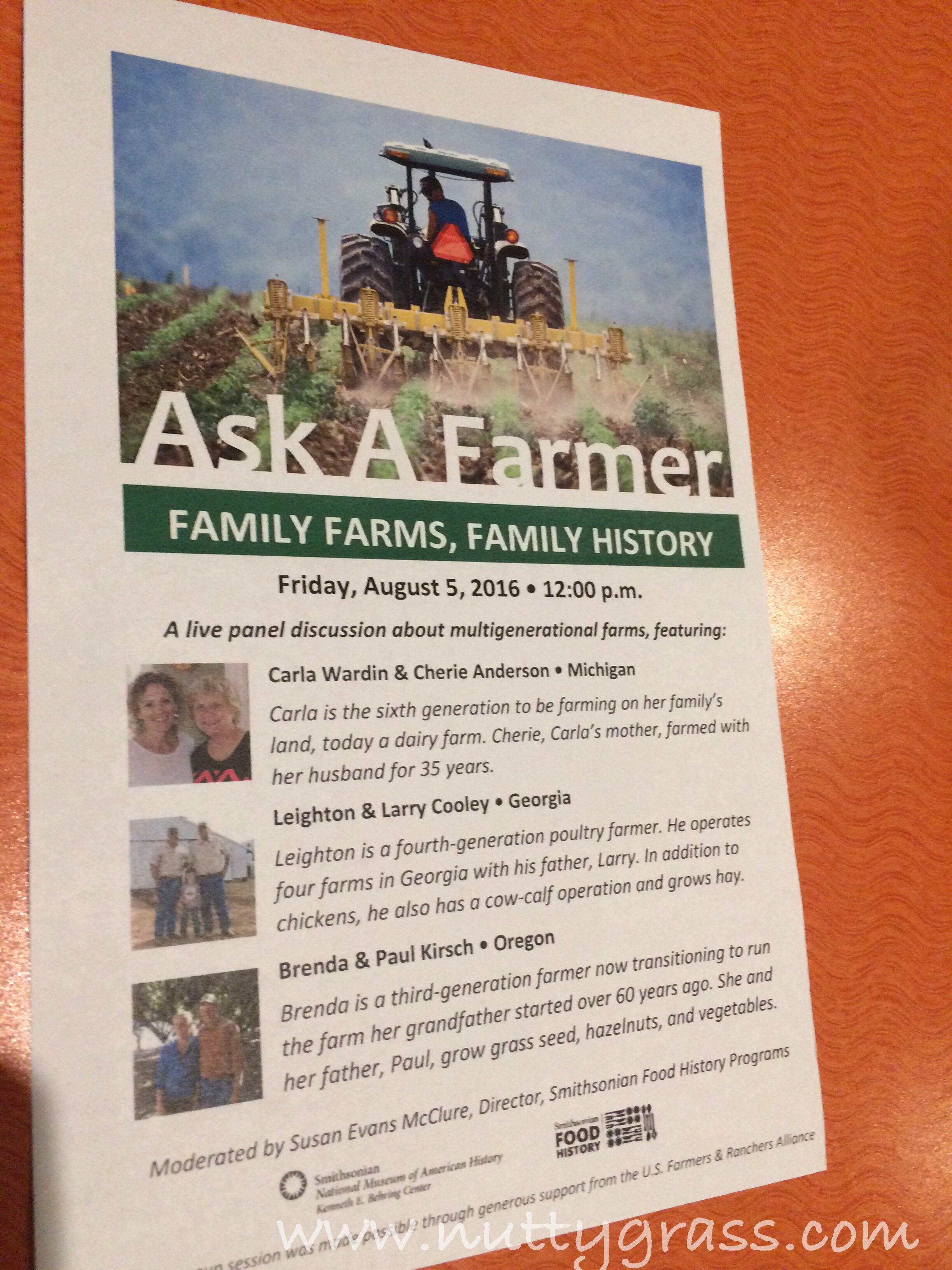
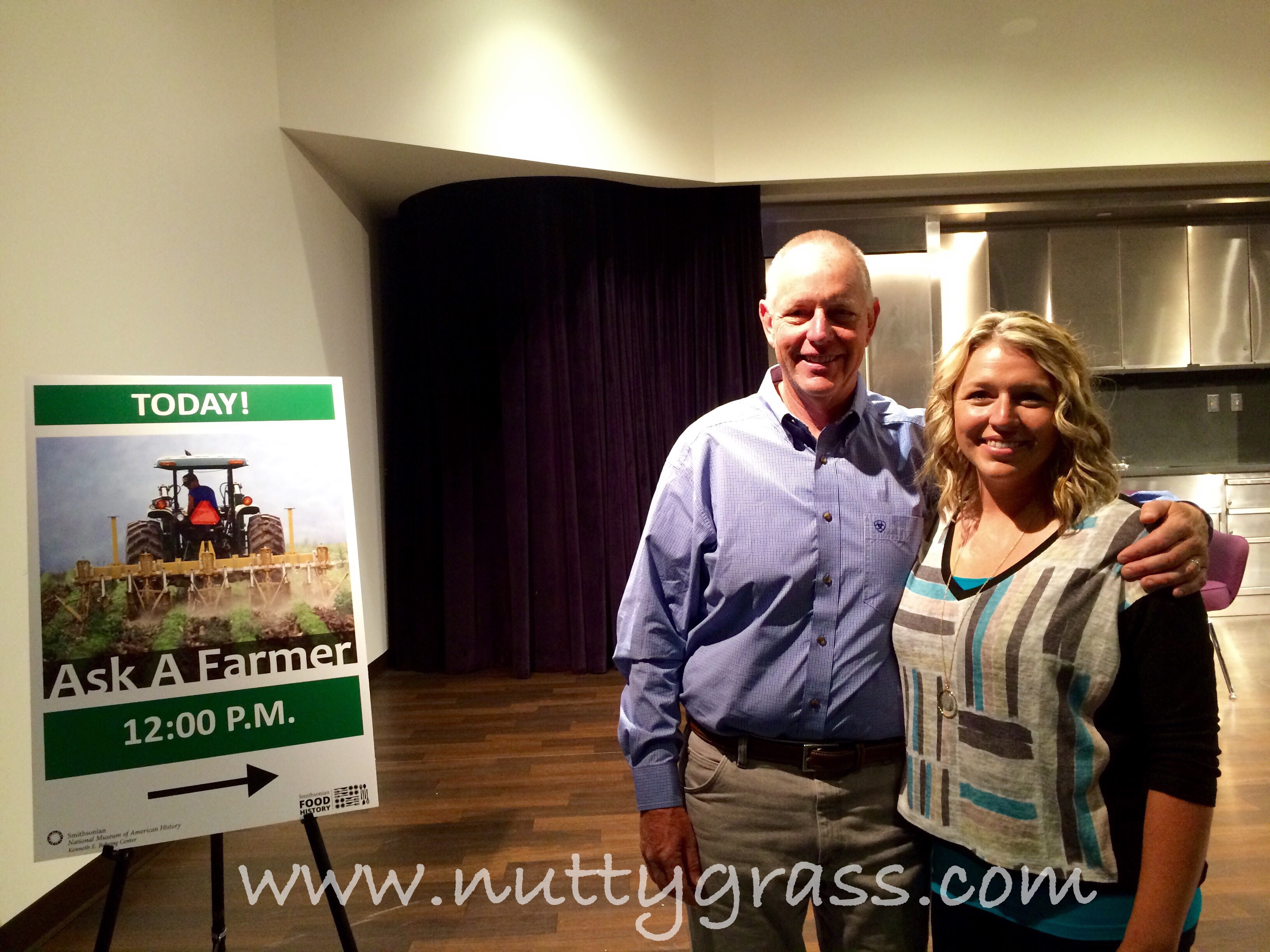
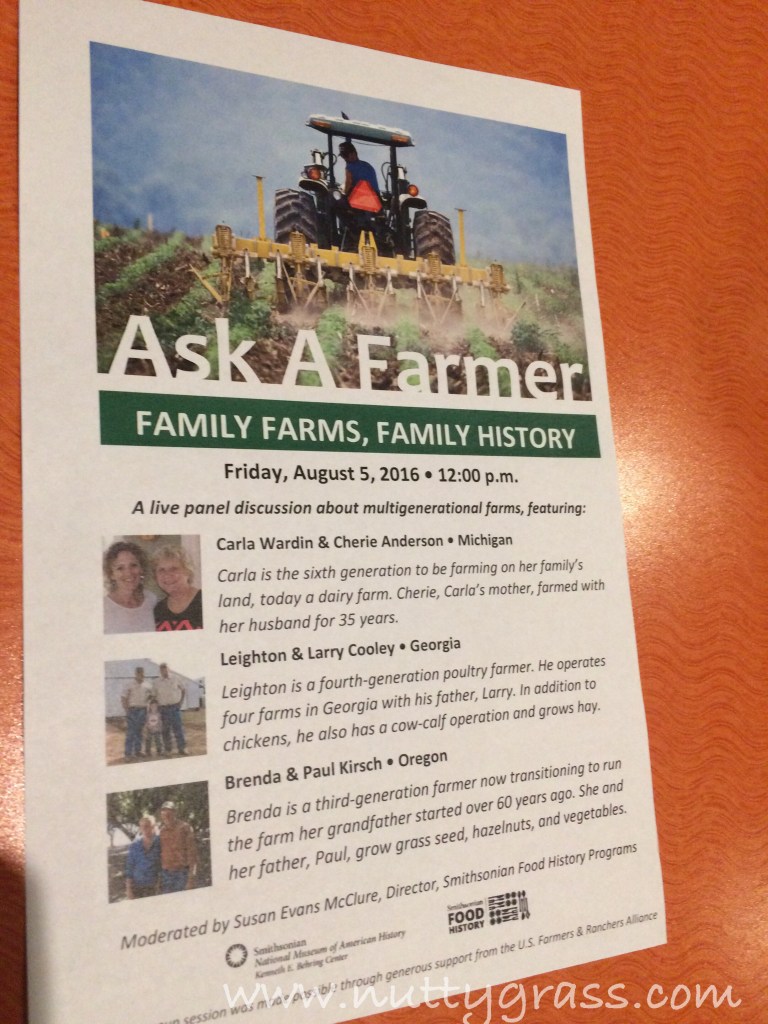
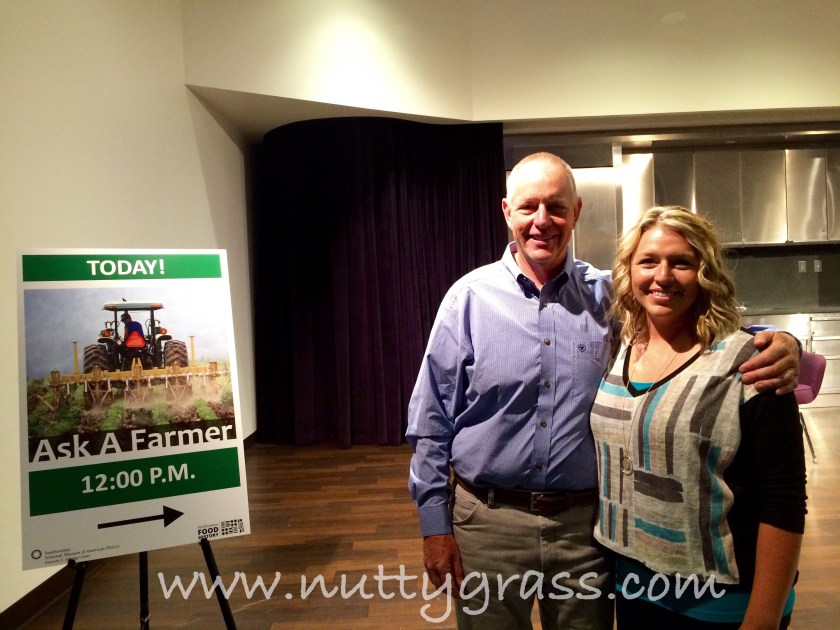
final-134Last week Dad and I got to take advantage of quite the opportunity.  We were asked by the US Farmer and Rancher’s Alliance if we would come speak on a panel at the Smithsonian National Museum of American History.  The panel was called, Ask a Farmer: Family Farms, Family History.  We were joined by two other farm families.  Evergreen Diary from St. John’s Michigan, represented by Carla Wardin and her mom Cherie Anderson.  And Cooley Farms, a chicken and beef farm from Roberta, Georgia.  Who had three generations there representing, Larry, Leighton and Lawson Cooley.

final-135

The event was featured within an exhibit called “Enterprise” which looks at history through the eyes of business.  Including the business of agriculture, which as we all know has shaped many ways that our country operates still today.  The panel’s moderator started off by asking some great questions, hitting on topics including the struggles and joys of working with family in business.  Also touching on how the younger generation decided that they even wanted to come back to the farm.  For one, Leighton Cooley, it took only 6 months off the farm to realize it’s where he wanted to be.  For Carla Wardin it took starting a whole career in marketing and living completely away from the dairy for years with her husband to decide to make the call home to ask her parents, “Please don’t sell the cows!” They wanted to give it a go.  And then for me, a college degree from Loyola Marymount University, a lot of concrete life in LA, and I was ready to be back in the dirt.

We were also asked questions from the audience, which included an awesome group of school kids.  Asking everything from, “How do worms make holes in the ground?” to “Do farms have names?”  All in all it was truly a great event.  The panel itself was recorded and will be available in a few weeks, stay tuned and I’ll share that once it’s up and running.

I think the best part for me was getting a chance to meet other farmers from across the nation who also have a passion for agriculture and doing what they love  with the people that they love everyday.  We had no problem all becoming fast friends.

While I was heading off across the country things at the farm didn’t slow down.  The crew was at home finishing up our swiss chard harvest, getting things all switched over for wheat and also keeping all our fresh crops irrigated.  So it obviously wasn’t ideal to take off, but since it was only 36 hours away from the farm, since it was the Smithsonian, and since I got to go talk about what I love the most, family and farming, it was an opportunity that I knew I couldn’t pass up!

I want to thank the USFRA and the Smithsonian for this wonderful chance to spread my family’s farm story!final-136
To learn more about Carla Wardin you can follow her on her blog, Truth or Dairy.
And Cooley farms has quite a large role in the movie Farmland.  For another look at their family operation check out this commercial from Farm Credit.
Ask a Farmer

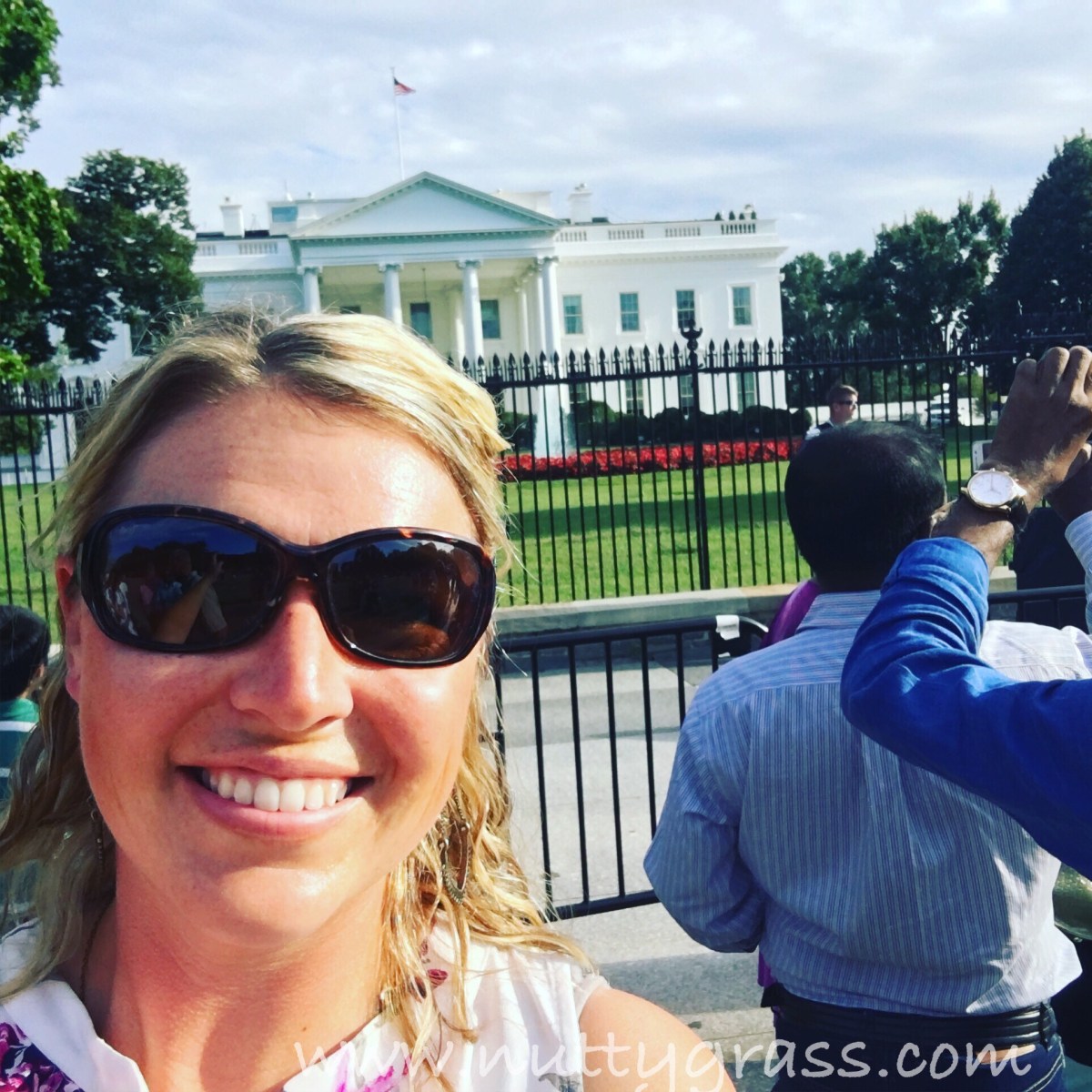
For photo Friday here are a few photos from a very quick…I’m talking 36 hours here…trip to Washington DC to tell our farm family story!


Such an amazing opportunity with the USFRA and Smithsonian! More on Monday…

Business & Pleasure, A Trip South of the Border

I love when my hobbies in life can collide.  At the start of this month I was able to combine my love for traveling with my love for agriculture.  My husband and I took off for Mexico for a short getaway, a short conference, and a whole lot of sun!

 Bayer Crop Science has been a company that I have always been impressed with, but not more than in the past few years.  As a chemical company it might seem easy to stick their heads in the sand and just do what they have always done, which is provide safe and effective products for farmers all over the world, Bayer however is looking around at world wide agriculture and seeing that there are conversations that need to start happening.  Their commitment to agriculture goes beyond just the farmer, they work for the bees, the crops, and the soil.  Their slogan of “Science for a Better Life” is being played out right now at the forefront of their efforts.

 So on our little getaway we attended Bayer’s Horticulture Symposium.  Attended mostly by industry folks and farmers from all the Americas.  Along with Matt and I, Marie Bowers Stagg (OregonGreen Blogger) and her husband Tristan also attended to represent the Pacific Northwest.  It was interesting being at a conference where we had to listen through the voice of a translator for most of the presentations, but more interesting was that the challenges that people are facing all over the world are challenges that I am facing on my farm in Oregon.  The life of a farmer isn’t easy, pests find your crop no matter what, and learning new and innovative ways to take care of that pest is something that all farmers are looking for.  Another issue that was talked about at length was the challenge with finding good consistent sources of labor, a problem that has prompted more creativeness when it comes to robotics and machinery.

It wasn’t all about our problems out on the farm though.  We heard presentations about what customers around the world are looking for.  They like quality shown to them in certifications and standards, traceability, sustainability, and social responsibility.  So finding ways to balance all of that while at the same time encouraging the next generation of farmers, improving people’s lives and livelihoods, and taking care of the environment will be an ongoing conversation for as long as I’m farming I am sure.  It is encouraging though to see that these are real conversations that people are having on so many levels, from the dirt up you could say.

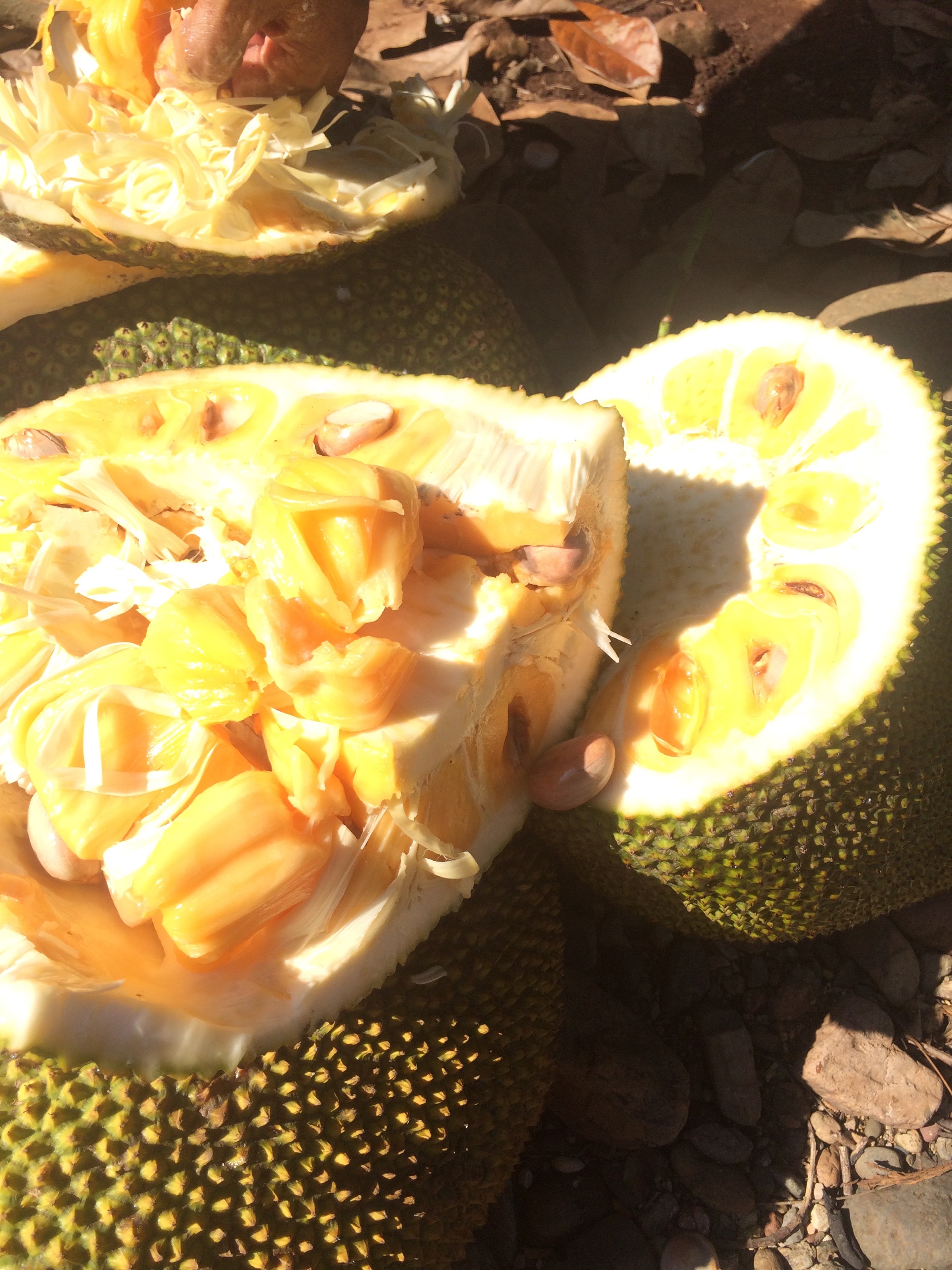
We were also fortunate enough to head out into Mexico for some farm touring.  We met a jack fruit farmer and a mango farmer.  Jack fruit is a large (watermelon sized) fruit that is grown in trees.  You won’t believe it until you see it!  95% of the jack fruit grown in Mexico is exported to the US, where it can be found in almost any Asian market across the country.

  I know, I know…let the jokes of “It looks like you swallowed a jack fruit” begin!
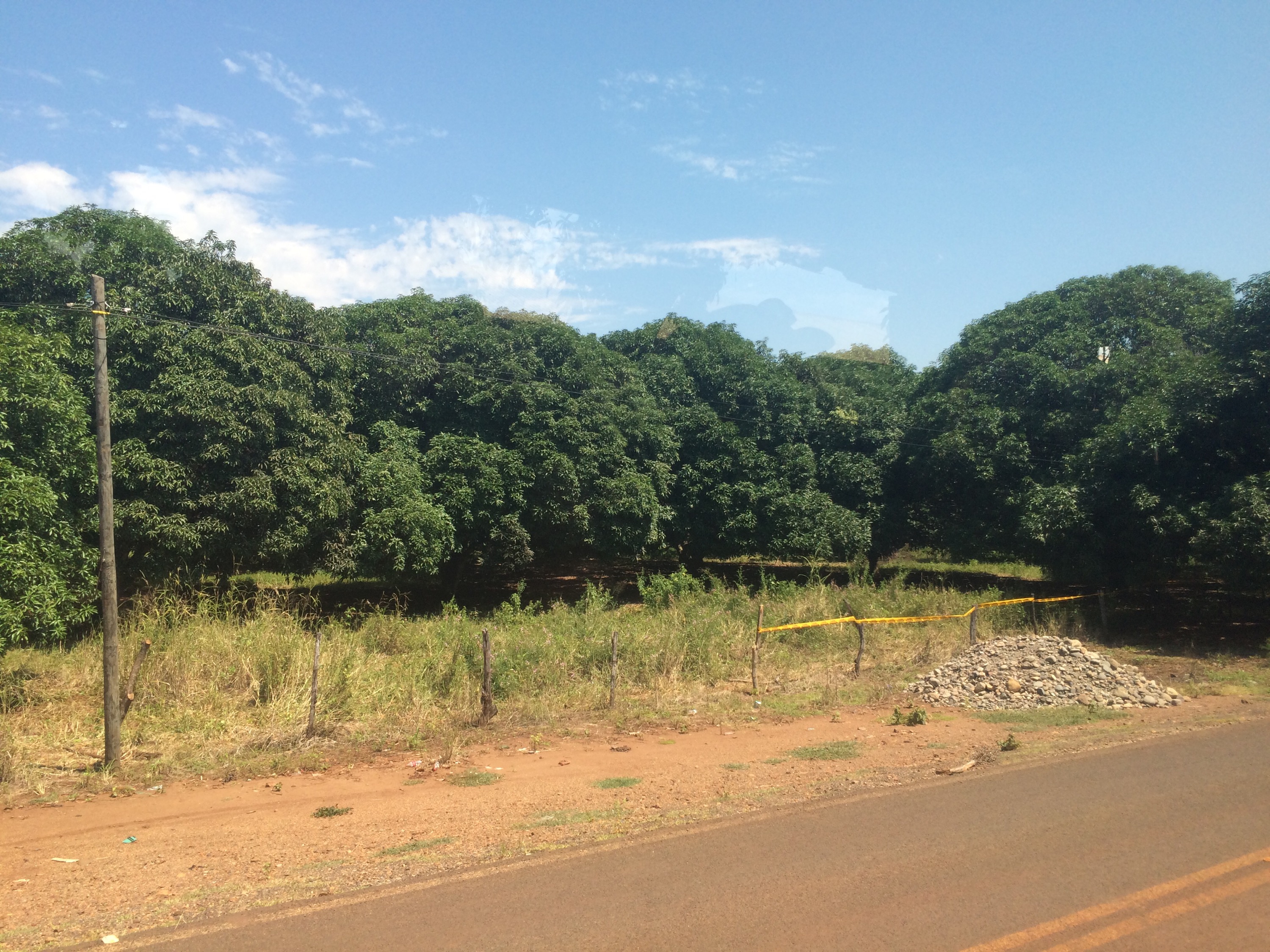
 Mangoes on the other hand are largely consumed in Mexico.  Only 35% of the mango production heads off to the export market. In the photo below is a 20 year orchard of mango trees.  To harvest the fruit, which grows throughout the very tall canopy, no ladders are used.  Just really good tree climbers, long poles for reach, and harnesses to keep from falling!

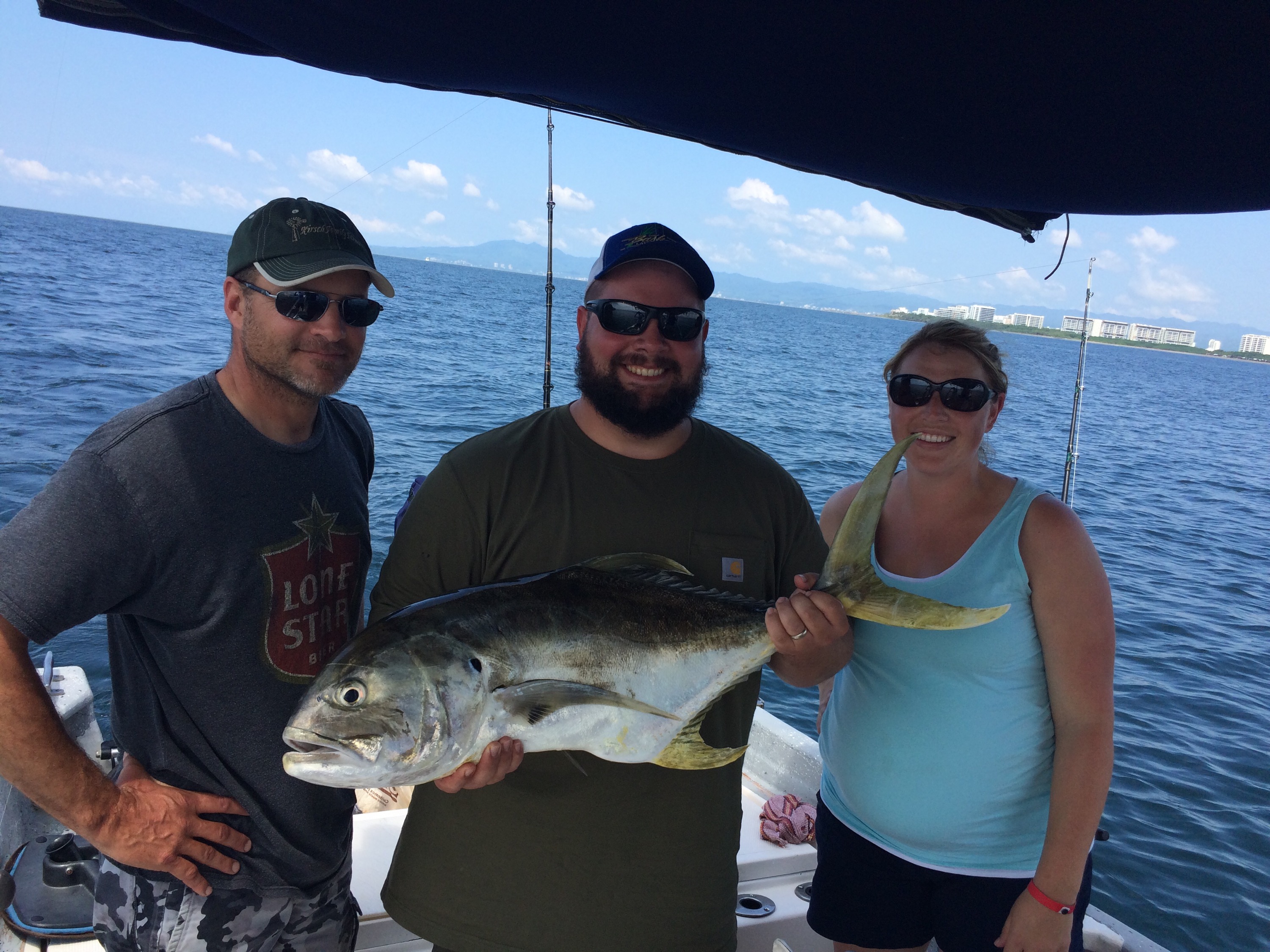
I did say there was a lot of sun involved and while it was a bit hot and humid for someone 7 1/2 months pregnant, it was still a great time to getaway!  We did go fishing one day and had a small amount of luck, the break from the humidity on land though was worth every second!

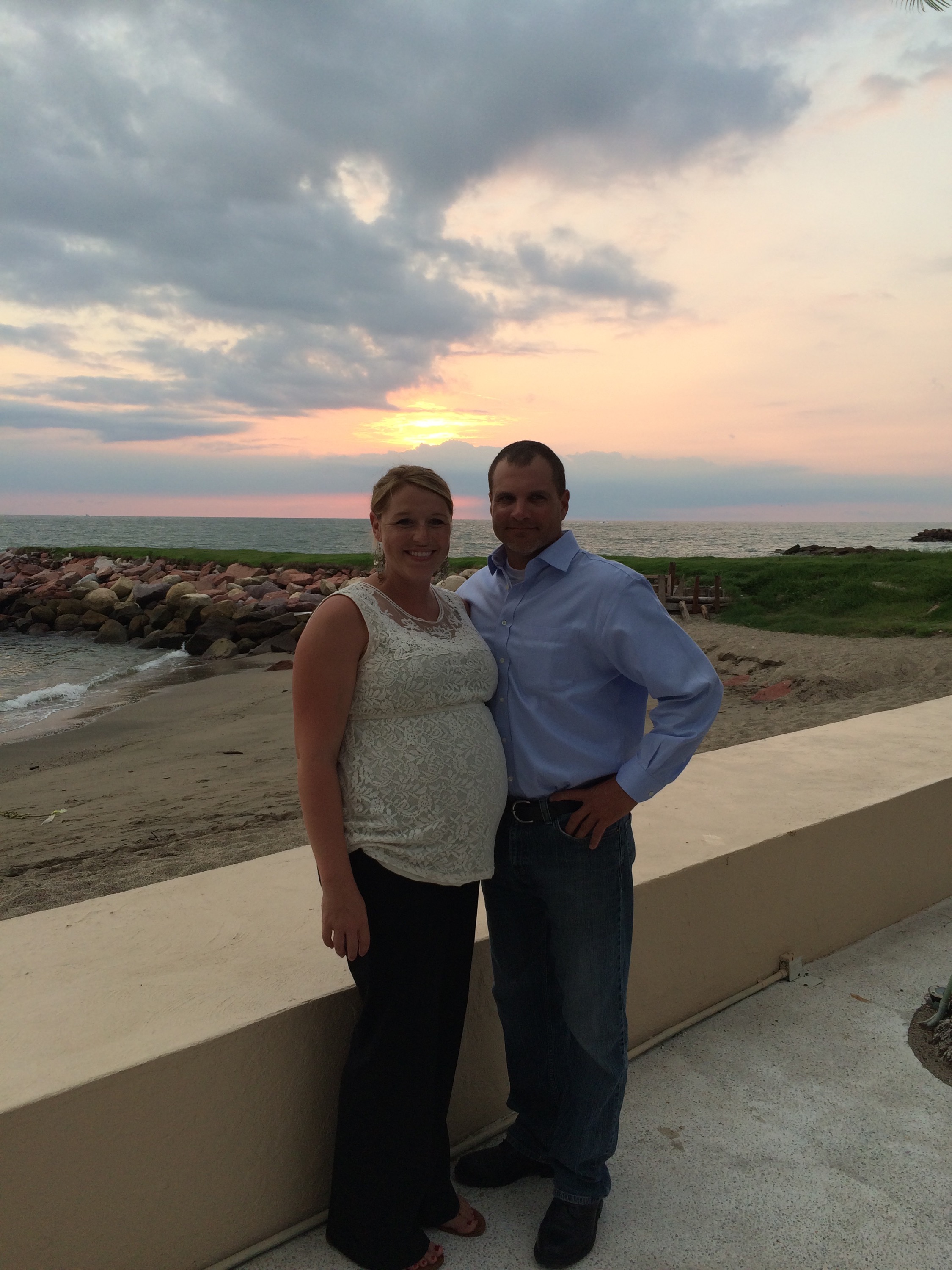
  We also were able to enjoy many sunsets on the beach, I had my share of mocktails, and some really really good food!

 I can’t thank our field man Barry Duerk from Bayer enough for inviting us to come and enjoy this experience of learning more about agriculture around the world, but also what they are looking at from their perspective.  I don’t think that there are easy conversations when it comes to how to best serve all parties involved in the agriculture industry.  It’s a complex system filled with farmers, pests, consumers, marketers and above all the ongoing challenge of getting enough food to feed the world.  I don’t think you can ignore the pure politics or complicated nature that gets injected into every piece of that puzzle.  But what I think we can do is keep having these conversations and keep working to find that balance that will probably never be fully achieved, but can always be improved and worked towards.  From what I saw on our trip south of the border, Bayer is going to be a player in these conversations for a long time to come!