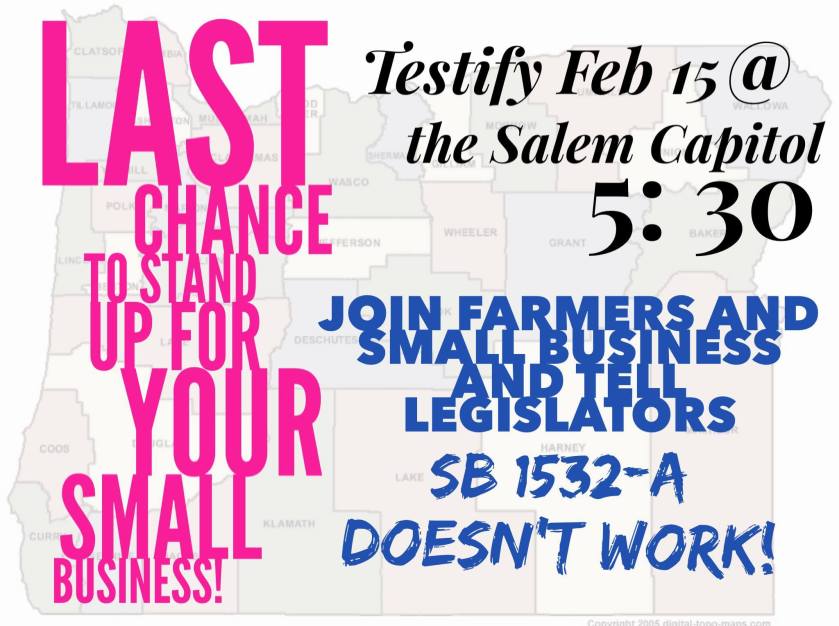
 This afternoon a bill to increase Oregon’s minimum wage will be heard in a committee in the House of Representatives. While I won’t be there in person to testify, I have submitted testimony with my thoughts on why I don’t want the minimum wage to increase. You can read my full testimony below. If you agree with my thoughts on this issue, please don’t hesitate and contact your representatives today! They need to hear from the business community, they need to hear from seniors, they need to hear from us in the middle class, that we don’t want what will inevitably be an increase to our cost of living.
My name is Brenda Frketich and I’m a third generation farmer from St. Paul. We raise grass seed, hazelnuts, wheat, clover, vegetables and vegetable seed on our 1000 acre sustainable farm. I employ anywhere from 4 to 10 employees throughout the year, depending on the time of year.
As a business owner and an employer I am against the raising of minimum wage in Oregon. I am against this for a number of reasons and not one of them is because I just don’t want to pay more for labor. I would love to pay my workers more, I would love to run a business where I didn’t worry about our bottom line at the end of every day. But that’s not the world that my business runs in, it’s a world where you have to watch your bottom line constantly and the call to the banker can be one rain storm away from a disaster. As farmers we run a risky business, but we do it the best we know how and with tools that we hope will work. We have run a good business in this state for three generations and I don’t plan to be the last. Which is why I am writing you testimony today in opposition of the raising of minimum wage. Below I have spelled out my three main reasons I believe it should stay where it is currently.
First of all we already have a high minimum wage; the third highest to be exact in the United States, which is currently $9.25. The third highest minimum wage, while at the same time ranking 30th in unemployment. I don’t think that a correlation can be made with better jobs, more jobs, and a better economy linked to just paying entry level workers a higher wage. Minimum wage is just that, a minimum for starting out, not to be confused with a living wage. These are two separate issues that are being muddied together. People make choices every day for where they want to work, what type of industry they wish to be in, and as legislators you should be working to make sure that options are available for them. Not falsifying middle level income jobs that are really just entry level. Because there is a need for entry level positions, they serve a purpose and you would be doing dis service to those who do need those jobs. For instance, high school kids.
Our farm in particular has always tried to take an active role in the youth of our community. Hiring many high school aged workers during the summer. We do this more as a favor to them, to help them earn money for college, let them learn about the farm, how to keep a job, and the responsibilities that entails. I know that we aren’t the only business in Oregon that takes pride in the attention that we pay to high schoolers that might not otherwise have any work experience. But I am afraid that situations like this, will be hard to find if the cost of that worker is dramatically increasing in the years to come. It is just too high for businesses to absorb.
So where will this increase in pay come from? Because businesses, or at least a vast majority of them aren’t running on profits that justify such an exorbitant increase in wages. There is no giant pot of money sitting around on our farm just waiting to be dipped into to pay for this pay increase. For many businesses in fact I believe and fear that the increase pay for entry level employees will take away from current employees, even those in the middle level of employment. The money will inevitably come from reduced hiring tactics, decreased benefits for current employees, and even cuts in bonus pay or yearly wage increases. This isn’t just putting businesses in Oregon in a bad situation, it’s putting all employees at all levels in a bad position.
In the end, this isn’t a good fit for Oregon. What we need to do in this state is focus more on working with businesses, to make them more successful and that will in turn create more jobs and more importantly create more middle level jobs. I don’t think that falsely “creating” jobs at the middle level will do anything but harm businesses here in this state. Instead it will increase the cost of living, hurting those very people you are trying so hard to protect and lift up. The economics have to add up, and in this case they don’t at all.
Thank you for your time and consideration on this very important issue to our state. And please do with is right for Oregonians by voting no to this hasty measure.
Respectfully,
Brenda Frketich
Like what you read? Share it here...
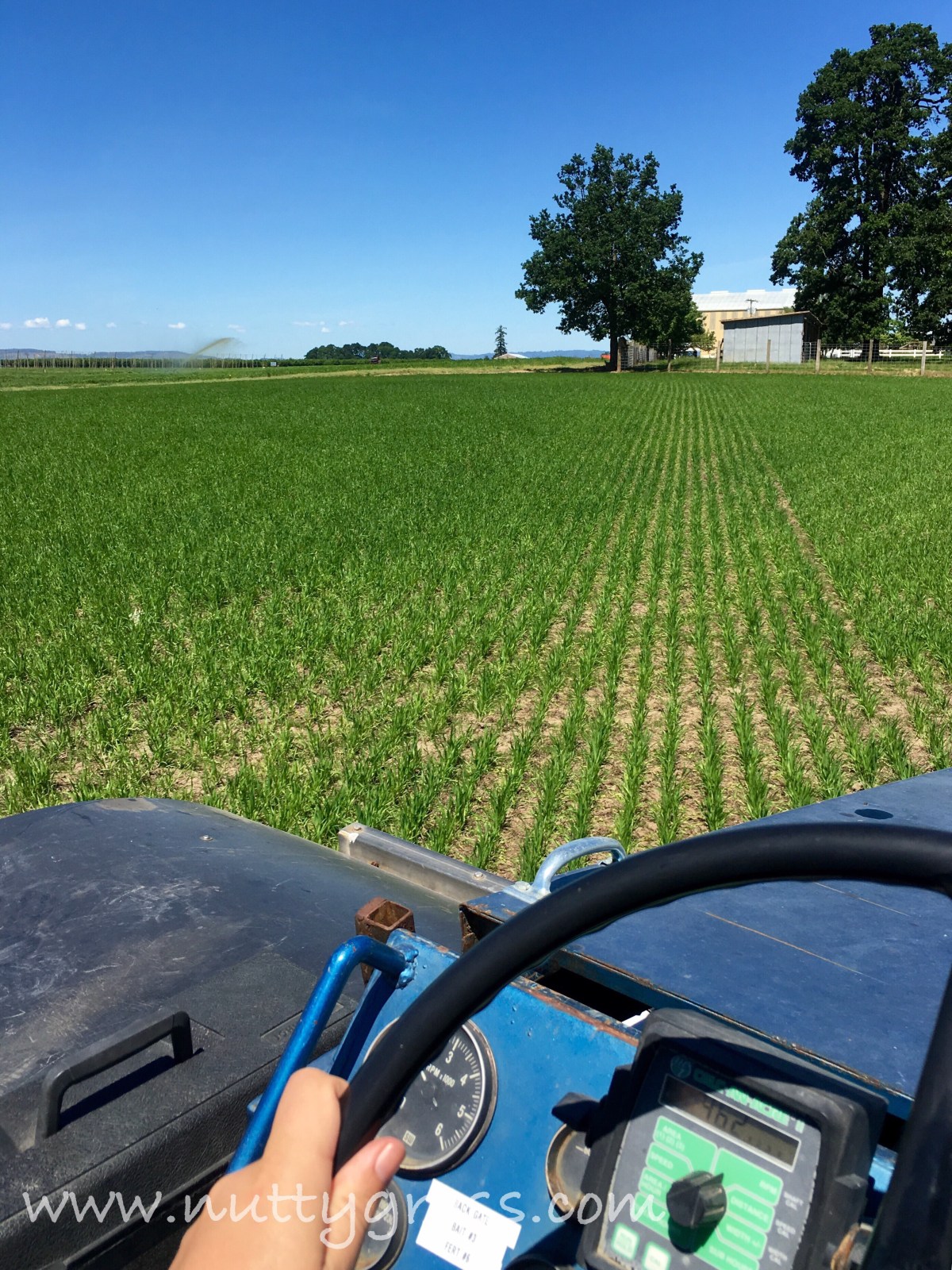
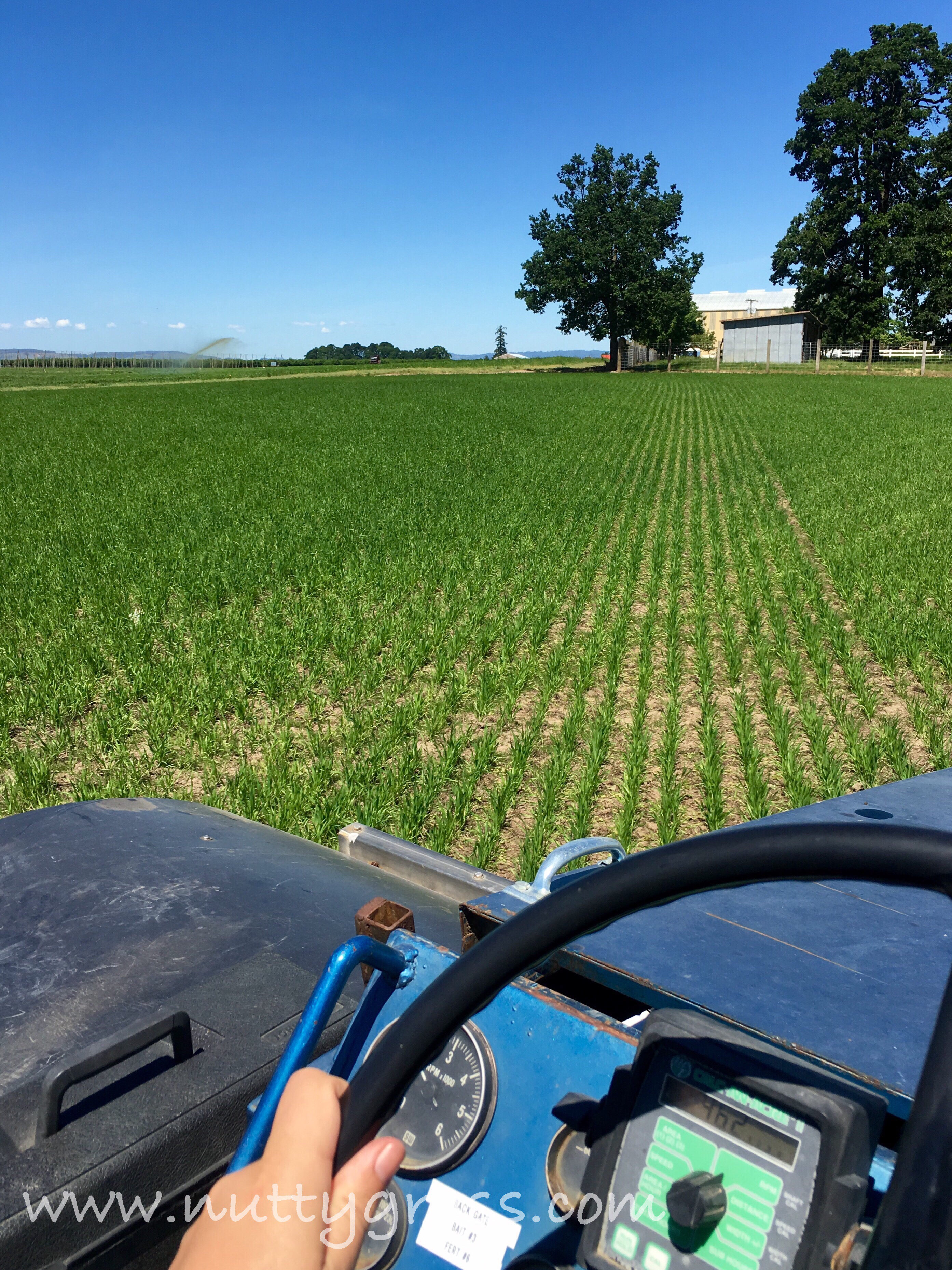 So you look up only to realize that that nice refreshing sprinkle on a hot sunny day is coming from a big gun, that’s shooting green!! For you city folks, that means it’s shooting manure.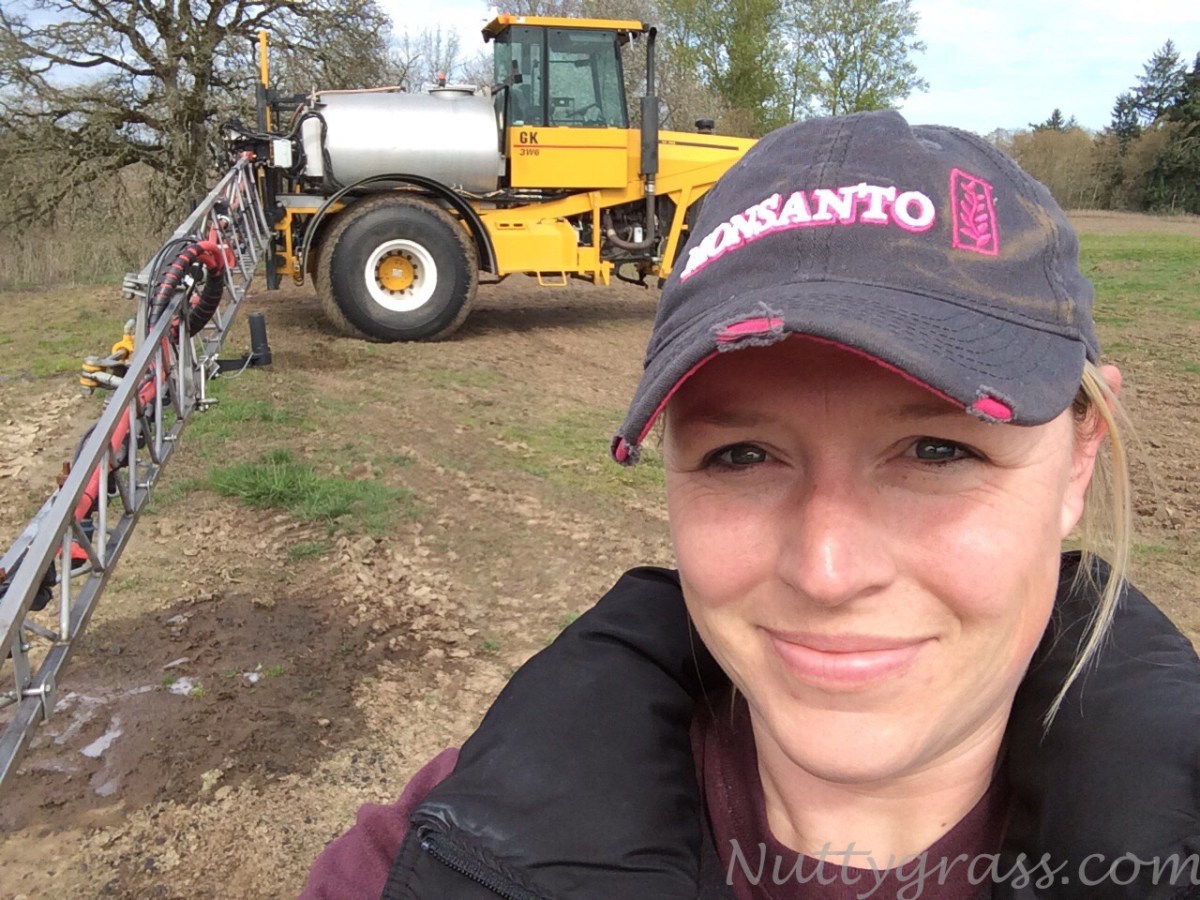



 NuttyGrass