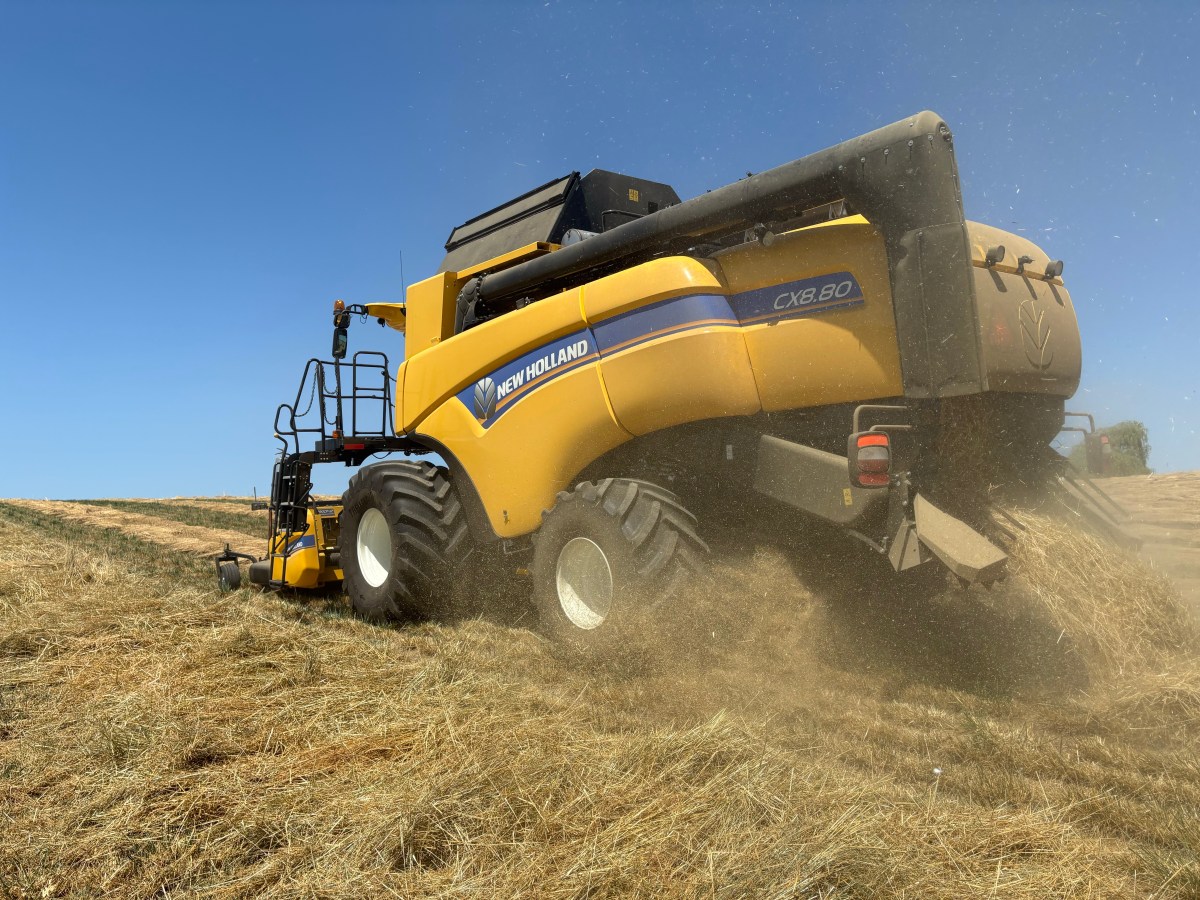
Harvest harvest harvest

We have been rolling along over here in St. Paul. We started harvest early this year, we didn’t get much to any rain since early April so that really sped up the maturing of our crops.
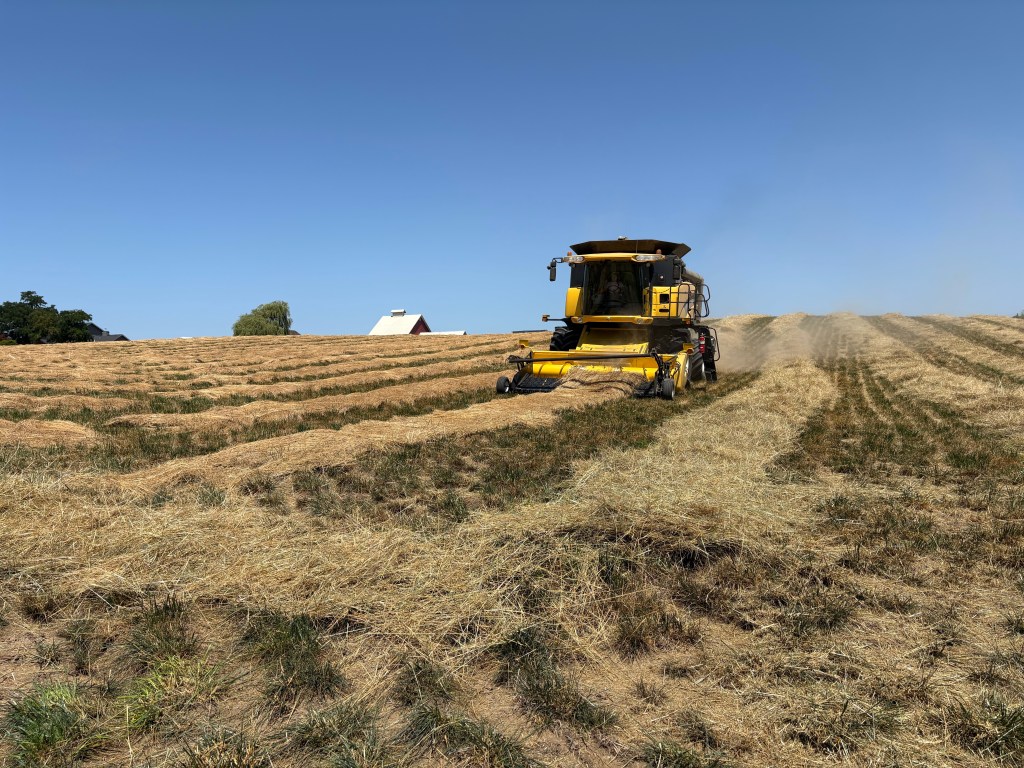
We are on a pretty good stride of the middle of harvest right now. Most days are the same, combine, fill trucks with seed, feed the people, try to stay cool, haul the trucks to the cleaner, rinse and repeat.

The beginning of harvest was a little insane I’ll be honest. We started combining crimson clover at the same time that we started cutting our tall fescue which happened to be at the same time as the good old St. Paul rodeo.

So our days started at 2am with cutting grass, moving on to 11am combining, 7:30pm rodeo volunteering or watching and finishing off that long day around 11pm.

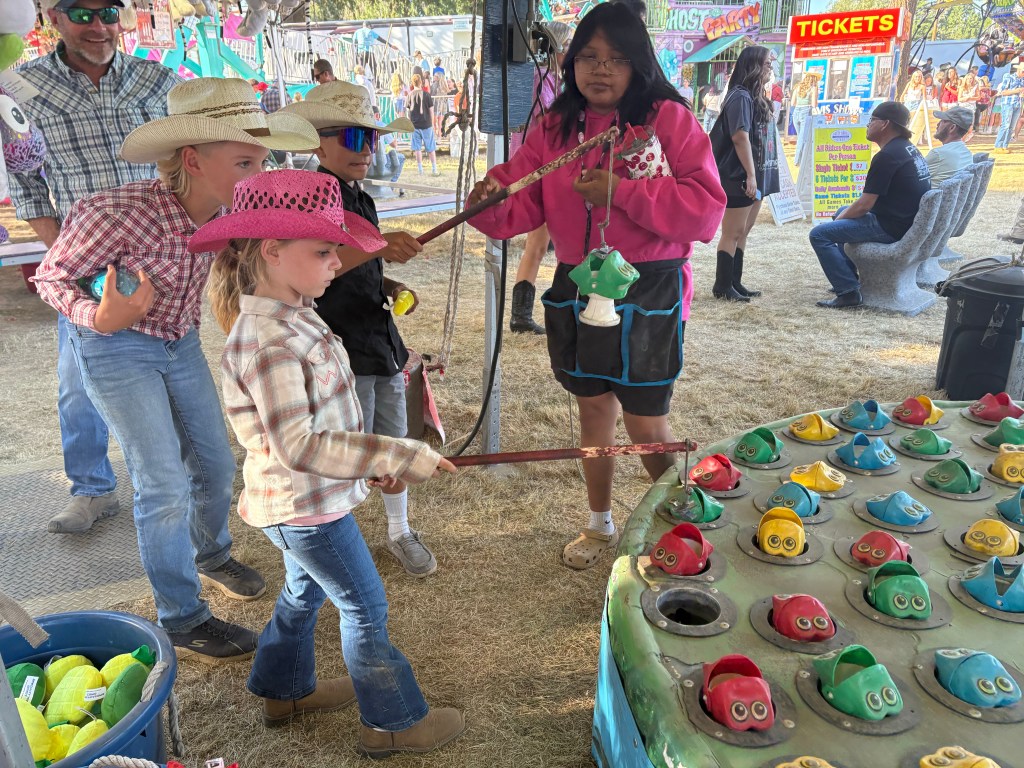
With of course the inevitable crying family member because there weren’t enough games played (Auggie), not enough carnival rides ridden (Millie), too much food eaten (Hoot), ready to be home (Matt) or just plain damn tired (me!). Don’t get me wrong though, we do a good job of having a lot of fun too!
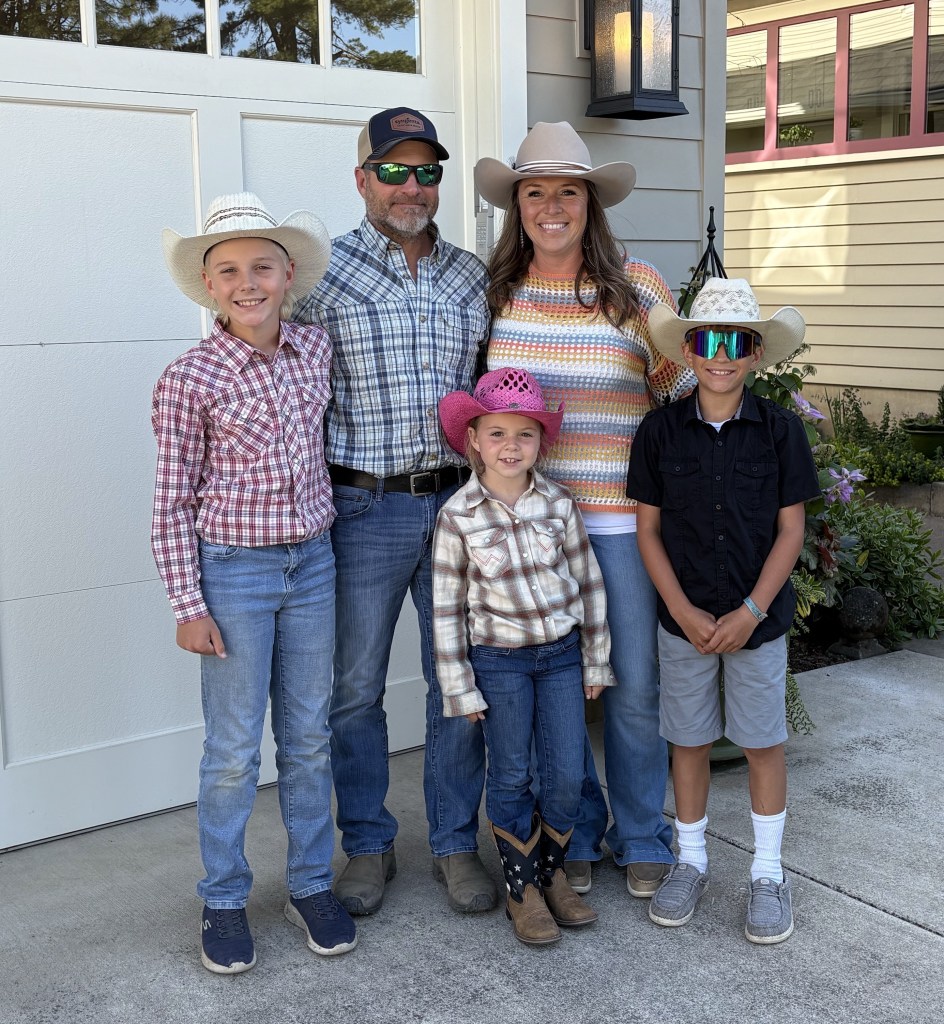
Not sure when we slept that first week but I know I am not the only one to be happy to be in the middle stride of harvest!!

We will finish tall fescue this week and then get the combines all cleaned out for perennial ryegrass. A week or so of that will finish our grass seed harvest for this year. Next up green beans, wheat, radish & filberts!

Isolation in Grass Seed Fields

On our farm we grow a number of proprietary varieties of grass seed for companies in the Willamette Valley. This means that these varieties by and large are bred to have specific traits. Some have disease resistance, some are greener, some are lighter, some are tall and some are short….without sounding too much like a children’s book here and before I start to rhyme my way through this post I’ll cut to the chase.

When we grow different varieties many of them are certified by Oregon State University. When certified it means that they have been signed up as such, inspected to check for issues with the field and also been “isolated” from other varieties.

Instead of having to plant fields that are super far apart, which would not allow you to use your land and soil to the best of your ability; we create isolation areas for fields.

These areas are kept separate when harvesting and cleaning the seed and are then paid out at a lesser price. The seed from these isolated areas are considered “un-certified”.

So if you’re out driving around in the grass seed capital of the world, and see some very tall markers out in the field this time of year, it’s more than likely to show the isolation areas of that field to keep the variety and characteristics of the variety pure.

Or if you see a helicopter that is flying super low above a grass seed field; it’s more than likely to check out the stand of that field and approve the certified sign up.

Here is where I would have posted the picture of the helicopter flying around our fields. However (in true Brenda fashion) as I was writing up this post and watching the helicopter in one of our fields get closer to the farm so I could take said picture, I realized that we forgot to flag one of the fields! So if you’re reading this today realizing that “whoopsie daisy now I have to pay for another inspection” let’s just say you’re not alone. I didn’t stick around to get the picture, but instead headed quickly to the field and got the flags up fairly quickly, however I’m quite certain I missed the boat (or more accurately the helicopter) this time around.

Filbert Trees; Out with the Old, In with the New…Again

The first filbert (aka hazelnut) trees planted on our farm were in 1990 by my parents. They were the Barcelona variety that is common in our area. We have slowly been taking out blocks of these trees and replacing them with newer varieties. Mainly this is due to Eastern Filbert Blight that has become a losing battle and we felt like our trees, no matter how much money we poured into them in the form of labor and preventative sprays, were still going backwards.

While not wanting to take acres out of production all at once; a filbert tree takes about 4 years to start producing a crop and then another 6 until they would be considered more close to maturity, we didn’t want to take that hit all in one solid block.

So a number of years ago we started with 25% of the trees and have been slowing chipping away. This winter we decided that it was time for our final block to be removed. Now once the ground gets a little drier we will prepare to get new trees planted this spring.

This isn’t an easy decision to make. A neighbor farmer once told me “We don’t want to take the trees out when the price is low because we need as many nuts as we can get for our yields to make up for the low price. And then when the price is high, we need as many nuts as we can get to make back the money from the poor years.” So when then does someone make the call to remove the tress?

It wasn’t an easy decision. However with the new varieties coming online they are producing faster and getting us back to getting some return on the land faster than before. This past year the first block of trees that we planted 4 years ago to replace our removed Barcelona trees actually produced about half compared to the 34 year old trees. Which has a lot to do with better yielding varieties, different spacing with more trees per acre (we didn’t double density plant but changed our spacing to a tighter pattern), and less inputs in the form of less sprays and less pruning labor.

Last tree standing.

So as the other acres come online with newer varieties so will this one in the near future. I’m hopeful that we can keep these trees in for a long time. You never know what lies ahead, new blight or pests or climate that can change our growing seasons around here, but I hope that we can treat these trees like the permanent crop they are meant to be.