A few weekends ago I took the weekend off and headed out on the road with other member of Oregon Farm Bureau to learn a little more about what Oregon agriculture entails. This tour is done every other year and is put on by Oregon Young farmers and ranchers. The tours are always focused on different areas of the state, as I’ve said before Oregon is incredibly diverse when it comes to types of farming and crops grown. This year we were in somewhat my neck of the woods. Only a few miles to the south and a few miles to the west, the amazing thing though is that I saw so many different types of farms, who are right next door to what I’ve always known.
The tour consisted of 3 days and about 15 stops. I won’t go into all of them but just wanted to highlight a few and share a few photos and interesting facts. Our very first stop was Willamette Valley Fruit Company.
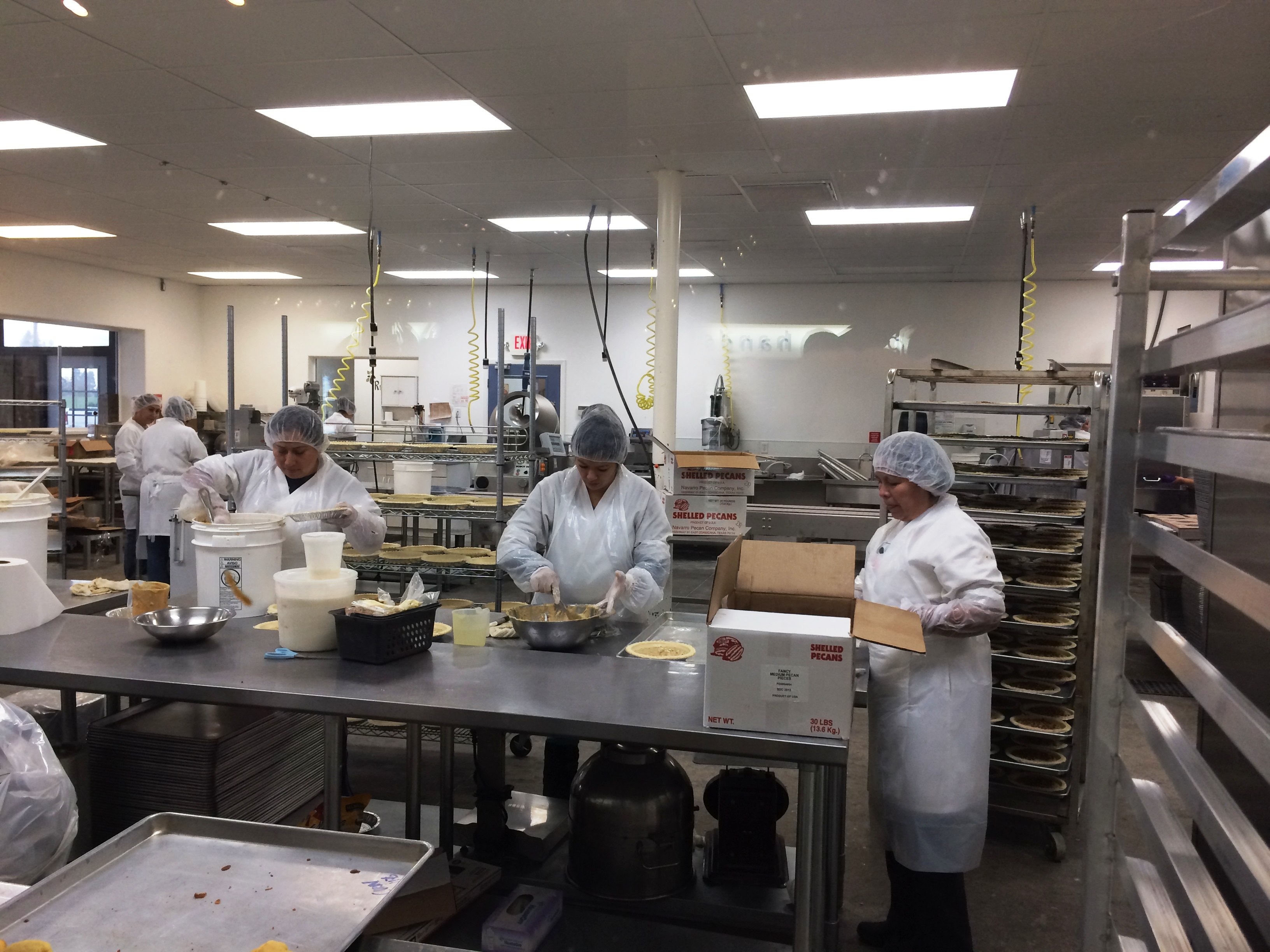
- Family owned company started in 1999.
- Work with over 20 local farmers to get ingredients for their products.

- Produce 2400 pies in one 8 hr shift.
- The company itself processes over 20 million pounds of produce every year.
- Their products also include cobblers, 2-pound bags of frozen fruit, freezer jam, jar jam, honey, syrup and fruit snack bars.
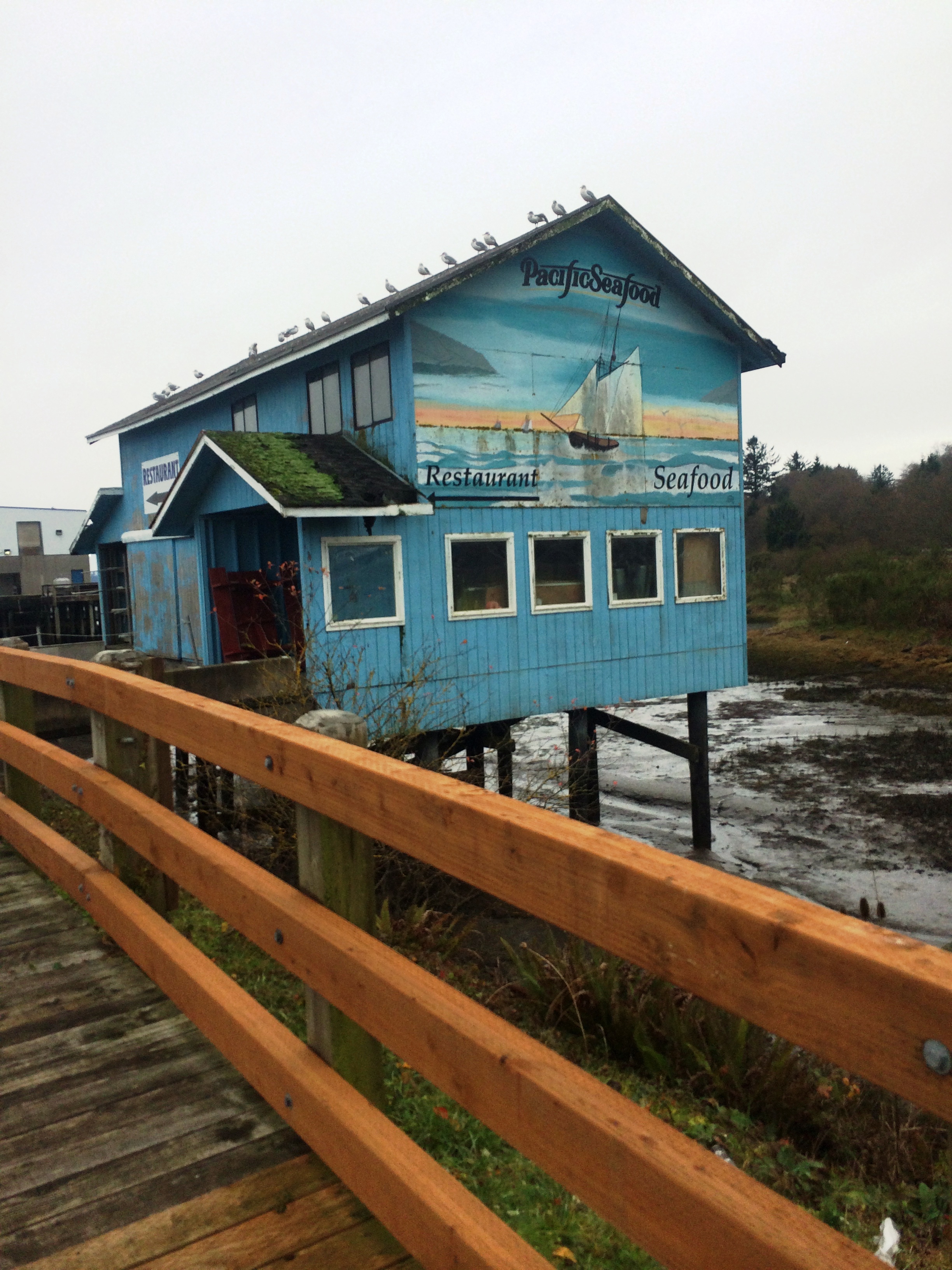
 Another stop was in Tillamook Oregon, at the Pacific Seafood Company.
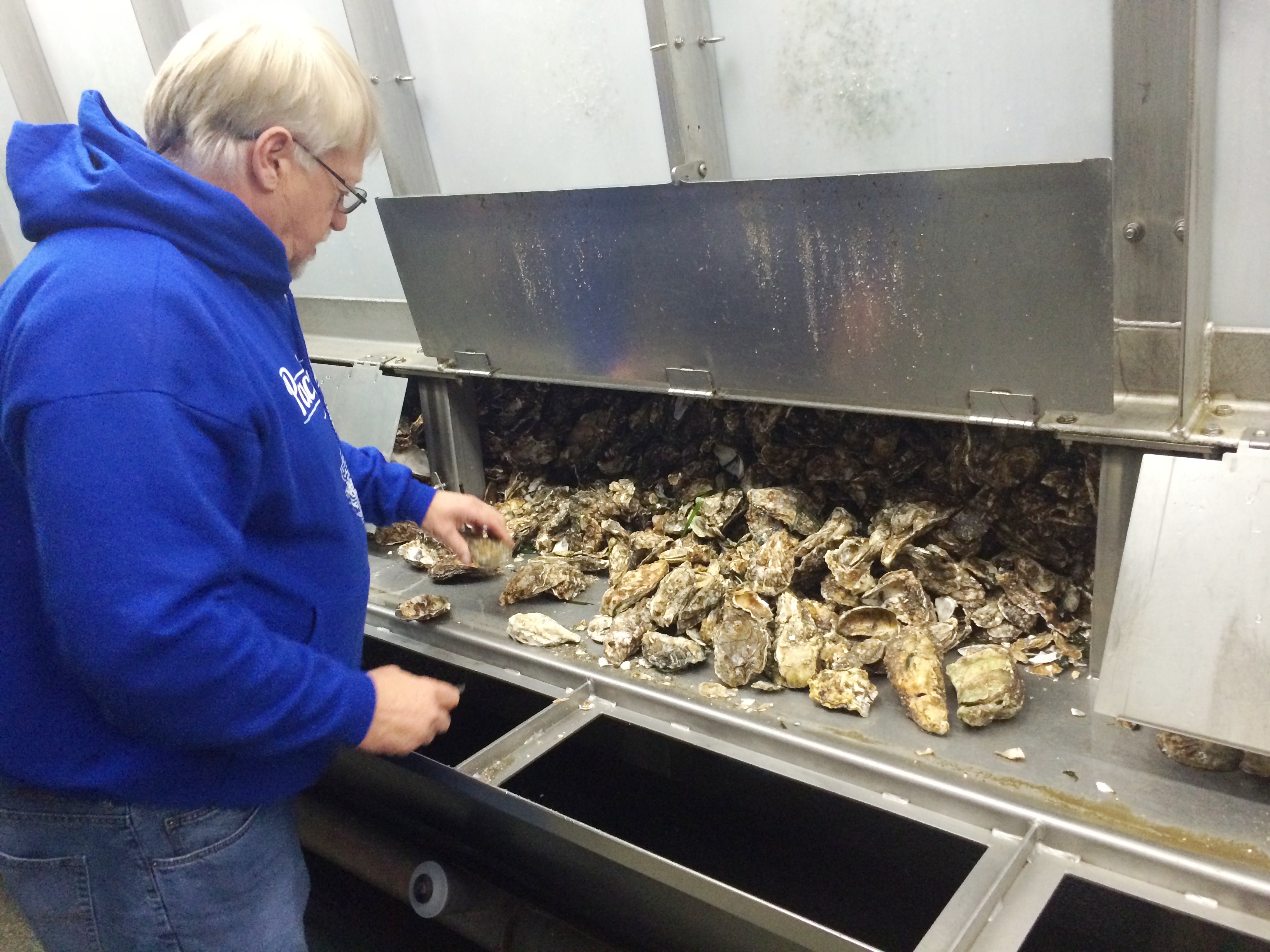
 Pacific Seafood has a restaurant and oyster processing facility in Tillamook. They process Oysters year round here.
- Did you know an oyster can filter up to 30 gallons of water a day?!
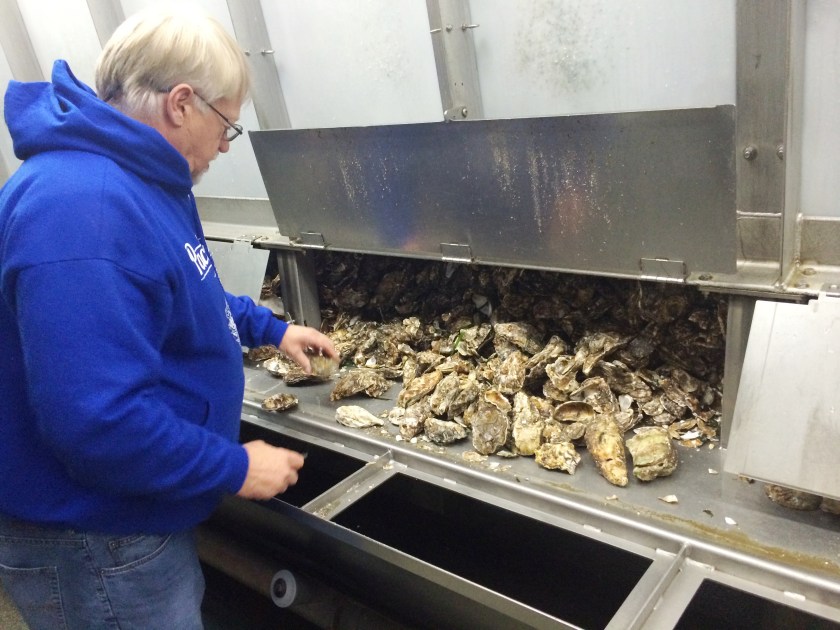
- Oysters can be genetically modified and have been for decades. They found that by removing the sex chromosome in the oyster it will produce even in the summer months, allowing for a year round season.
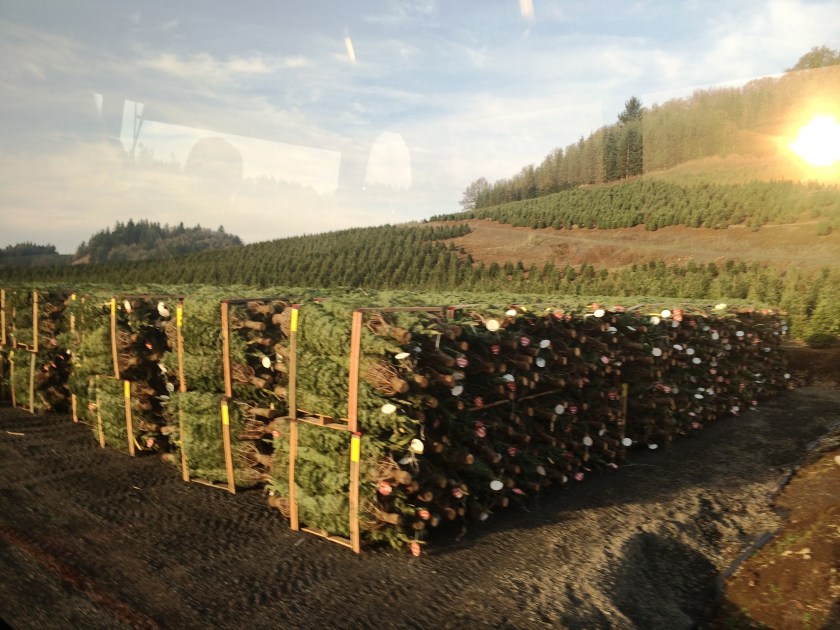
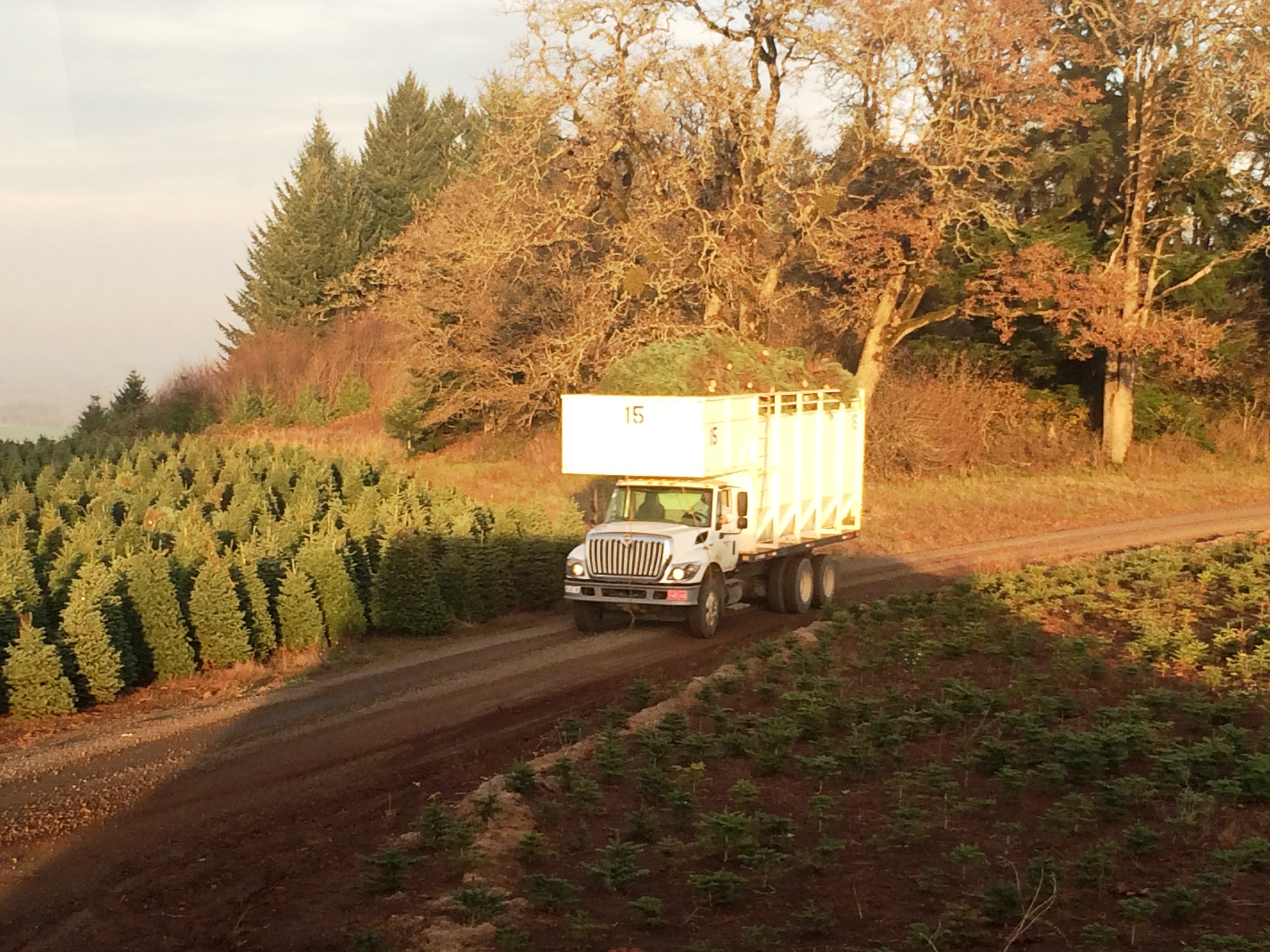
 Our last stop of the weekend was to the nation’s largest Christmas Tree farm! Noble Mountain Christmas Tree farm is located in Salem Oregon.
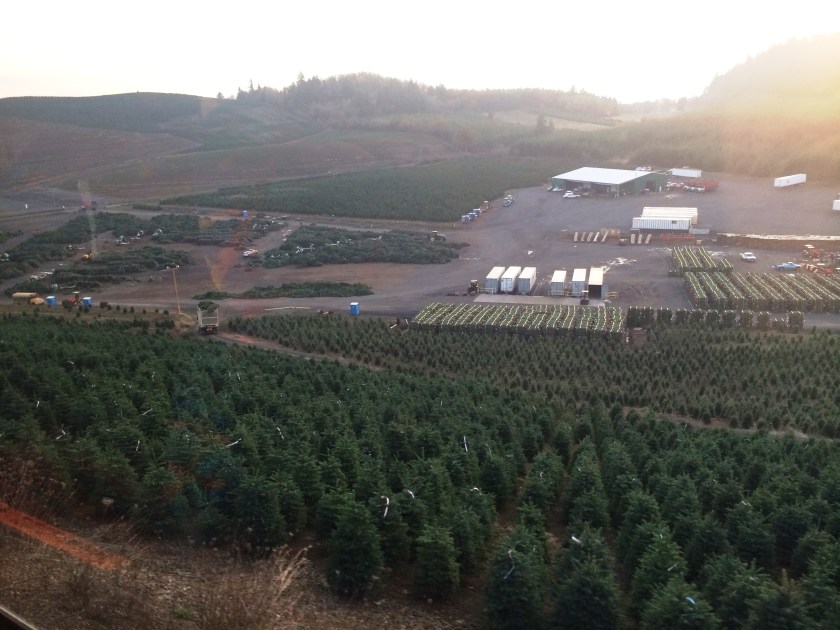 This farm covers over 2000 contiguous acres.
- They will plant 550,000 new trees every year.

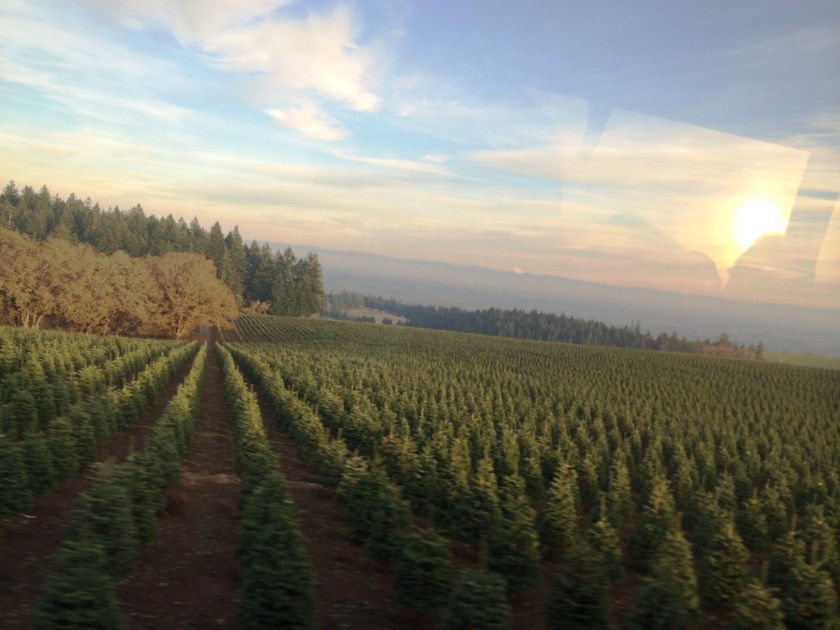 They will also harvest over 500,000 trees every year on average and in only a 25 day window!
- Their customers include local vendors around Oregon, but also all over the United States.
- They also sell to Home Depot, Lowes & Wal-Mart.
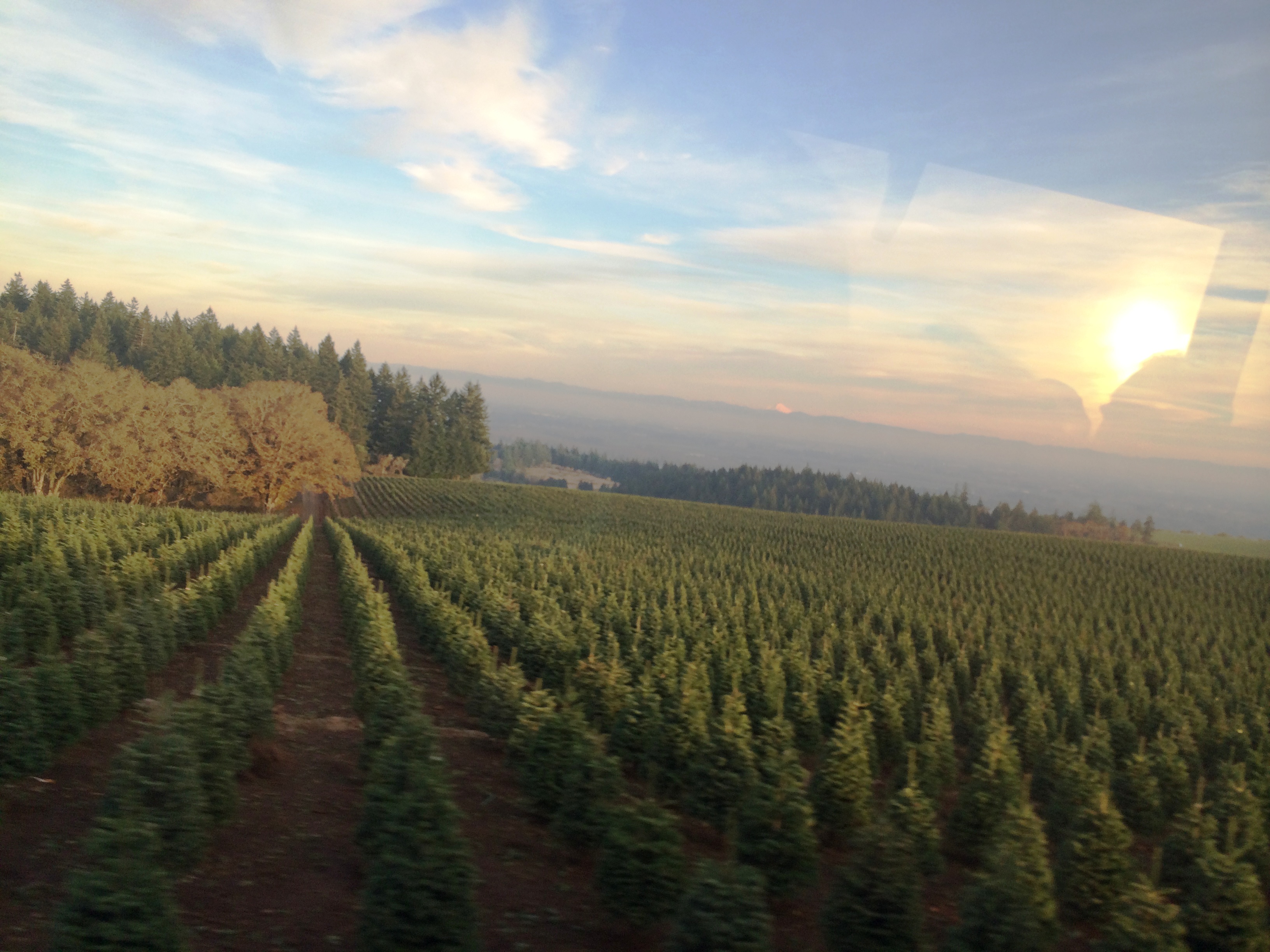
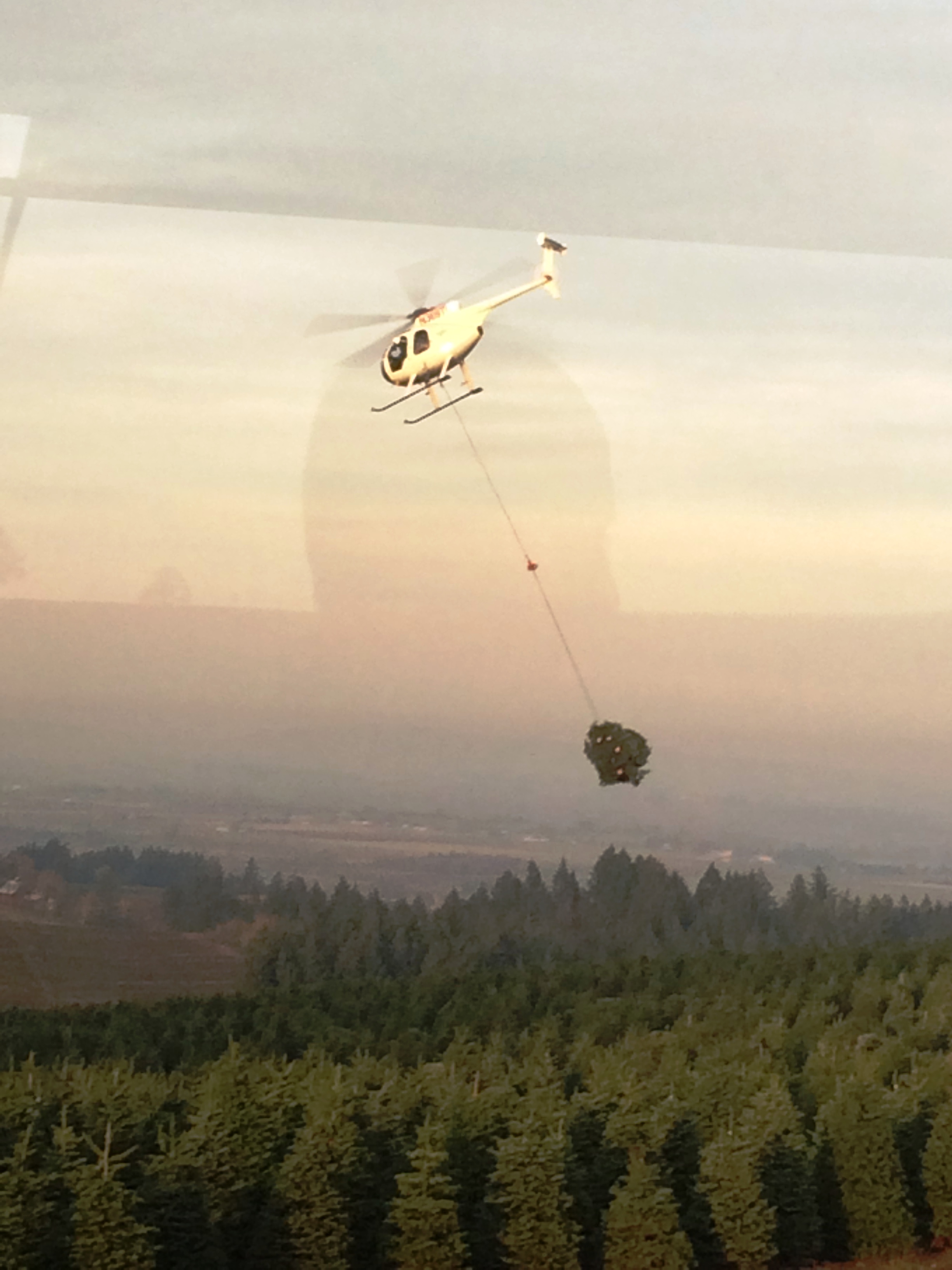
 They revolutionized their ability to harvest thousands of trees by adding helicopters into the list of harvest equipment many years ago.
- They usually use 2 helicopters during the harvest season.
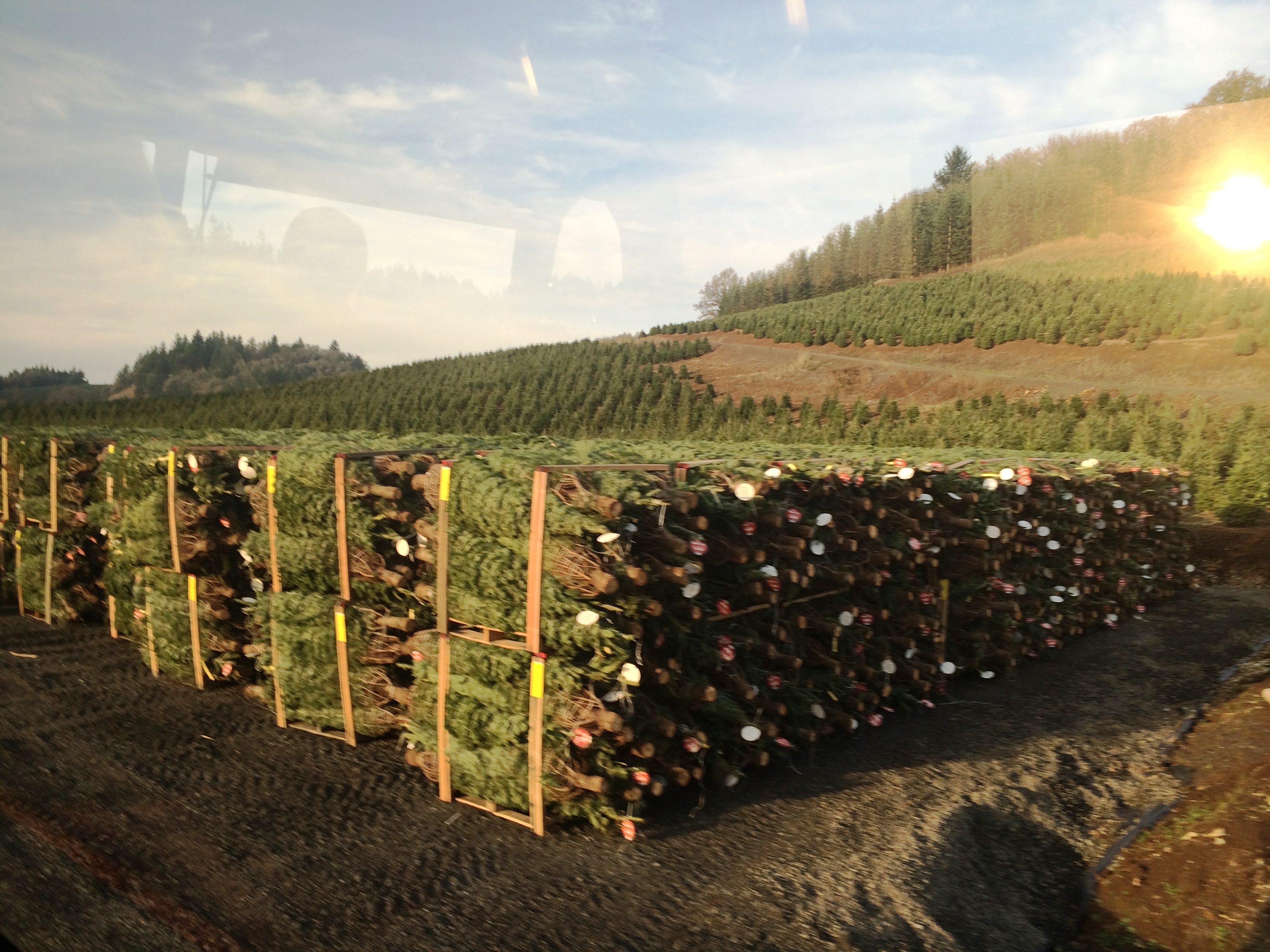
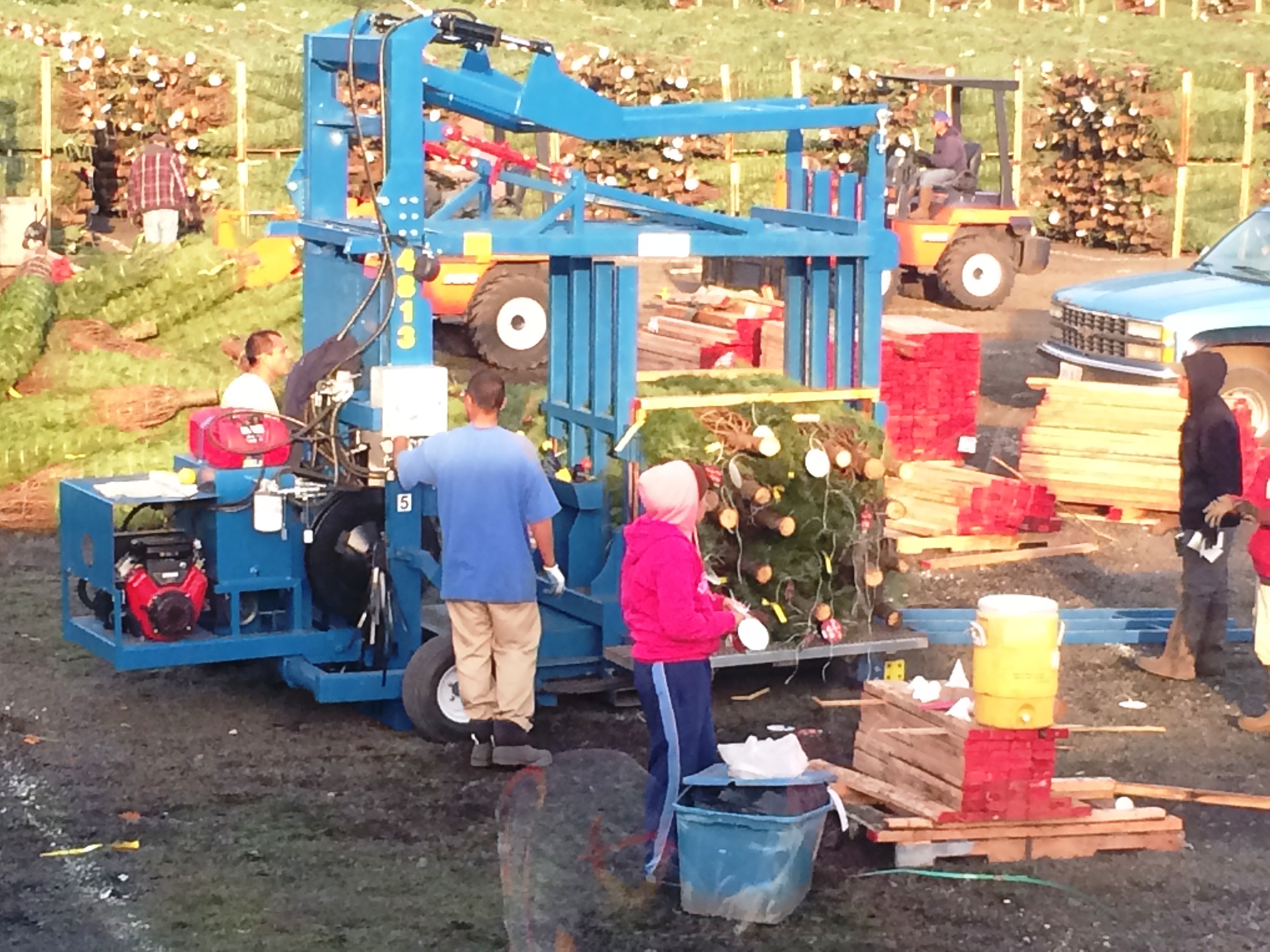
So there is just a small peak at what we managed to squeeze into three filled days of touring Oregon. Our other stops included a winery, flower operation, 2 dairies (one with a robotic milker!), grass seed cleaner, nursery, Portland Wheat marketing center, farm market & apple/pear processing facility, and a beef ranch. So as you can see it was a busy weekend, but it was also very interesting!





 NuttyGrass