Filbert Trees; Out with the Old, In with the New…Again

The first filbert (aka hazelnut) trees planted on our farm were in 1990 by my parents. They were the Barcelona variety that is common in our area. We have slowly been taking out blocks of these trees and replacing them with newer varieties. Mainly this is due to Eastern Filbert Blight that has become a losing battle and we felt like our trees, no matter how much money we poured into them in the form of labor and preventative sprays, were still going backwards.

While not wanting to take acres out of production all at once; a filbert tree takes about 4 years to start producing a crop and then another 6 until they would be considered more close to maturity, we didn’t want to take that hit all in one solid block.

So a number of years ago we started with 25% of the trees and have been slowing chipping away. This winter we decided that it was time for our final block to be removed. Now once the ground gets a little drier we will prepare to get new trees planted this spring.

This isn’t an easy decision to make. A neighbor farmer once told me “We don’t want to take the trees out when the price is low because we need as many nuts as we can get for our yields to make up for the low price. And then when the price is high, we need as many nuts as we can get to make back the money from the poor years.” So when then does someone make the call to remove the tress?

It wasn’t an easy decision. However with the new varieties coming online they are producing faster and getting us back to getting some return on the land faster than before. This past year the first block of trees that we planted 4 years ago to replace our removed Barcelona trees actually produced about half compared to the 34 year old trees. Which has a lot to do with better yielding varieties, different spacing with more trees per acre (we didn’t double density plant but changed our spacing to a tighter pattern), and less inputs in the form of less sprays and less pruning labor.

Last tree standing.

So as the other acres come online with newer varieties so will this one in the near future. I’m hopeful that we can keep these trees in for a long time. You never know what lies ahead, new blight or pests or climate that can change our growing seasons around here, but I hope that we can treat these trees like the permanent crop they are meant to be.

The start, the middle, or the end of harvest?

Harvest has been happening for awhile around here. It snuck right up on us after a long winter and the idea of you were following plant stage and growing degree days that we would start harvest late. I stupidly started making early July plans that seems so attainable with a mid July start. However I quickly started canceling things when we looked out the window one day and Matt said, “maybe we should look at the clover, it looks really brown!” And after a quick look at the field later that day, “Hey it’s Brenda, so that camping trip I said maybe we could do…..how does your November look for timing?”

We have finished up clover harvest. And my gosh what a surprise, after so much drama with that darn stuff it actually produced a very nice sized seed crop.

Grass seed harvest started near the end of June with swathing or cutting the grass.

Combining or separating the seed from the straw started quickly after our good old St. Paul rodeo on the 6th of July. We have about 4 or 5 more days until we finish up that crop.

Hoot also found out that he’s heavy enough to weigh down the seat of the John Deere by himself and got some good driving time in.

Our green beans are just about ready to be harvested, probably next week sometime.

And finally the filbert crop is looking great. The price not so much, but that’s probably a whole other blog post that we don’t have time for today.

So all in all we are at the just the start with some crops, right in the middle of others and at the very end of a long harvest season. Meanwhile we are of course taking soil samples, mowing old crop stubble and starting to work ground for fall planting.

Hoot is also our field chauffeur after learning to drive the four wheeler.

Life in the fields has become the norm around here for the past month and a half. Some of us are ready for a little less dust in our dinner, but I also know we will look forward to it all again next year.

Out with the Old and In with the New….Filberts

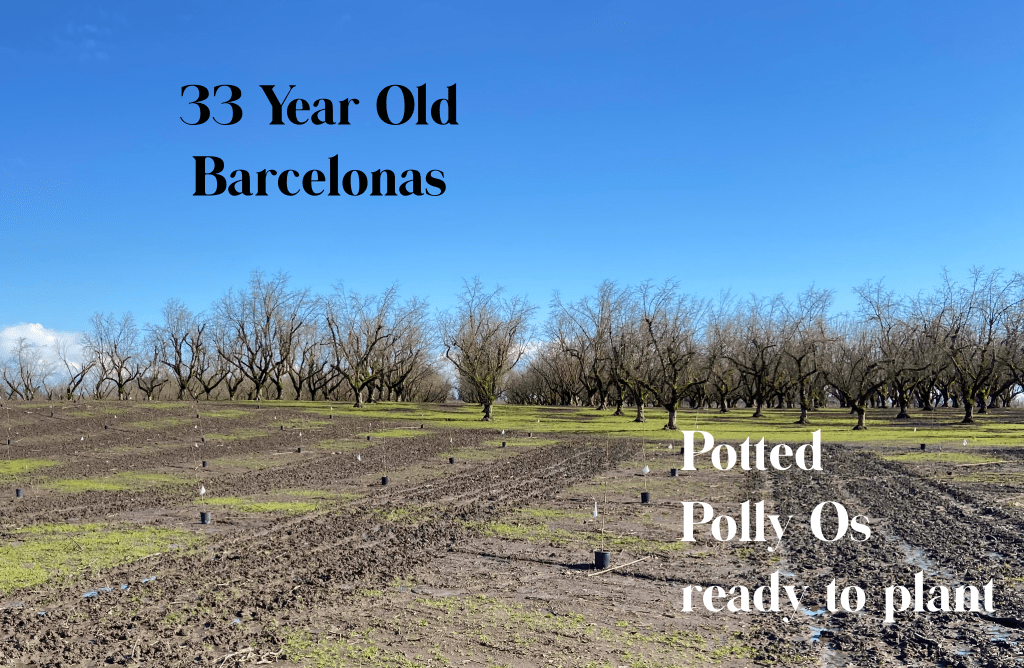
I would just write everyday about how it’s still raining, but that gets old for all of us. So instead I thought I’d share about what we did on that one day that it didn’t rain…I know you all remember it a few weeks back. We planted new filbert trees! Actually the more accurate term would probably be replacement trees because the last few years we have stopped adding new acres of hazelnuts (often referred to as filberts) here on our farm and instead are removing older varieties and planting new baby trees.

Our older varieties are Barcelona and were planted back in 1990. This was before blight was really a big “thing” in our area and not something that we had to work very hard to control or manage. That has changed a lot in the past 30 years and with new tree development from Oregon State University we have newer varieties that are resistant to the blight that we are currently having to control in our older trees.

By controlling I mean the use of heavy pruning each year and also fungicide sprays multiple times per year. In turn the new varieties help in reducing labor costs and also the use of fungicides. It’s not quite a win win however because you’re taking down a tree that has been producing an income for you and replacing it with a tree that will take years (usually around 4) before it is producing enough crop to harvest. Meanwhile we are still caring for and nurturing that tree, which all costs money.

We have been slowing chipping away at our older orchards. This planting is only 13 acres and will start to get harvested in the year 2026 or 2027. The variety of tree is Polly O’s along with a handful of pollenizer varieties mixed in as well.

We are planning to wait for a few more years before we take out the final acreage of Barcelonas, they are still producing well and while they take a little more care, it economically makes sense to wait until a few of our newer trees are making some income before completely taking everything out. It’s always easy to make an excuse to leave trees in that are producing nuts because when the price is high you need all the nuts you can get, and when the price in low you need all the nuts you can get….see what happened there, there is no good time when looked at face value, but when you sit and calculate the costs, there comes a time when you just have to move forward with a new variety.

We have had a few more days of drying the past couple of weeks and we are slowly chipping away at getting our crops fertilized, planted, and weeds killed; but it’s been frustrating so far this year. Time will tell what this all means for all of our bottom line, until then we will keep chipping away hoping for more sunshine!