Not Quite Spring just yet

Matt and I got away for a few days down to Mexico to find some sunshine and celebrate our 10 year anniversary. Meanwhile I had scheduled a post on here to show the “one time” “rare” “usually doesn’t happen” snow and well, I may have jinxed this whole spring time showing up in Oregon. Whoopsie!

Because you see I had planned to come home from our trip, go look at fields and show pictures of how spring is now in Oregon and the crops are finally growing. Unfortunately, we forgot to bring any sunshine home with us and now we wake up this morning to this!

So I guess it turns out it’s still winter here and while growing degree days (a way that we gauge soil temperature and crop readiness) warrants a start to spring fertilizer on our grass seed crops, and while we did get a little on before we left, Mother Nature had other plans for this week and we will have to wait a little while longer to finish up our first shot of spring fertilizer to get things up and growing. However I will say I feel lucky that we aren’t measuring our snow in feet like other places right now!

So there we are, enjoying 80 degree sunny weather on a beach with a drink in our hands that may or may not be called a mojito; and all the sudden I start to get texts and calls from the school. Delays, school cancelled, delays, I looked at Matt and said, “Well maybe it’s good we left when we did, not much to do at home anyway in the ice and snow!” Now all I think is maybe we should have stayed longer!

Stay tuned….I am sure, I am certain, I am positive….the crops will start growing soon and you’ll get some crop updates, until then I’m going to drink more coffee and warm up!
Triage of Fall Farming

Most of the time when folks think of when farmers here in Oregon are most busy, many would agree that harvest time would be the obvious answer. And in many ways that’s true. Through summer we are working seven days a week, often 14 hours or more a day. But if you look beyond just the “time” aspect, for me, the fall always feels much busier.

During summer harvest you usually find yourself and your crew in a groove. People know what to do pretty much everyday, because it’s the same thing they did yesterday and will often do tomorrow. But in the fall when the end of harvest is winding up for the year and we are gearing up for the next year’s crop, everything seems to come at you all at once.

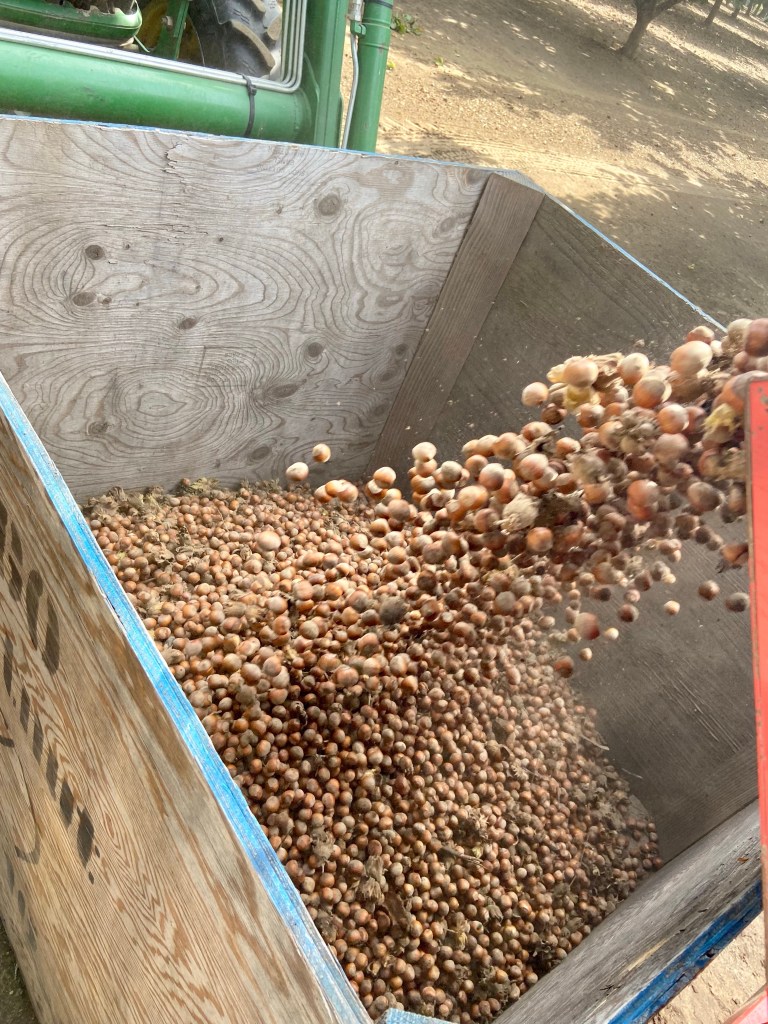
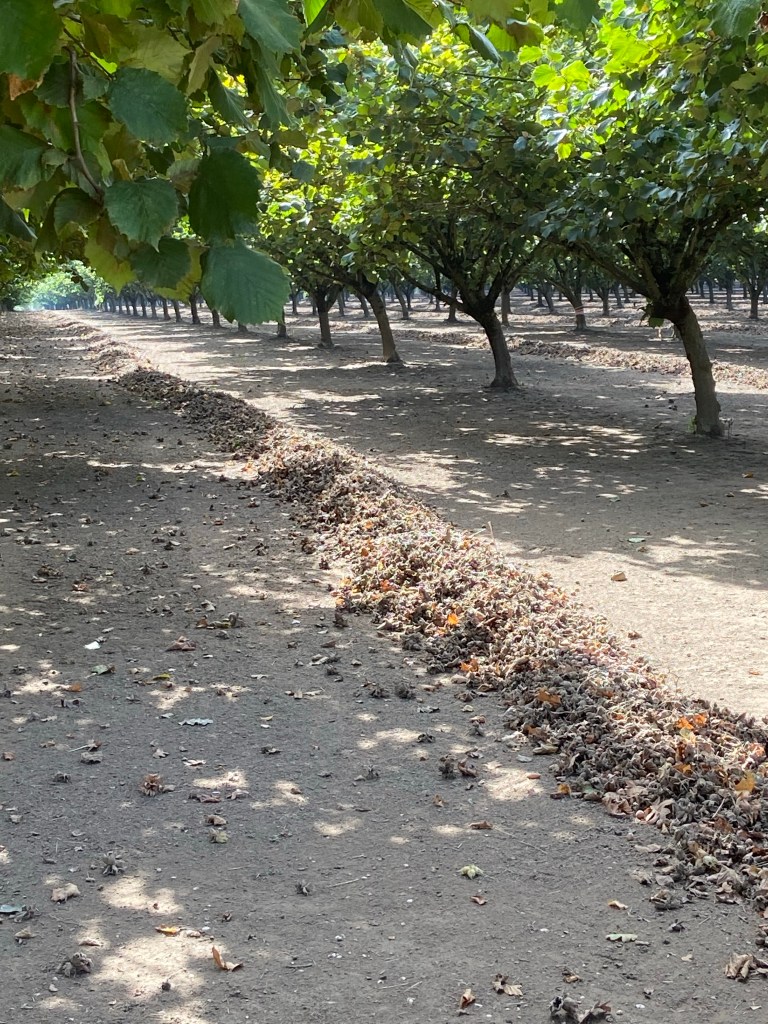
So lately we have been harvesting filberts when we can get into the orchards. Our seasonal rain here on one hand helps the nuts fall naturally from the tree, which is good because we harvest the nuts off the ground. But it also creates windows of time where you have to wait for the ground to dry enough to be able to harvest off the ground.

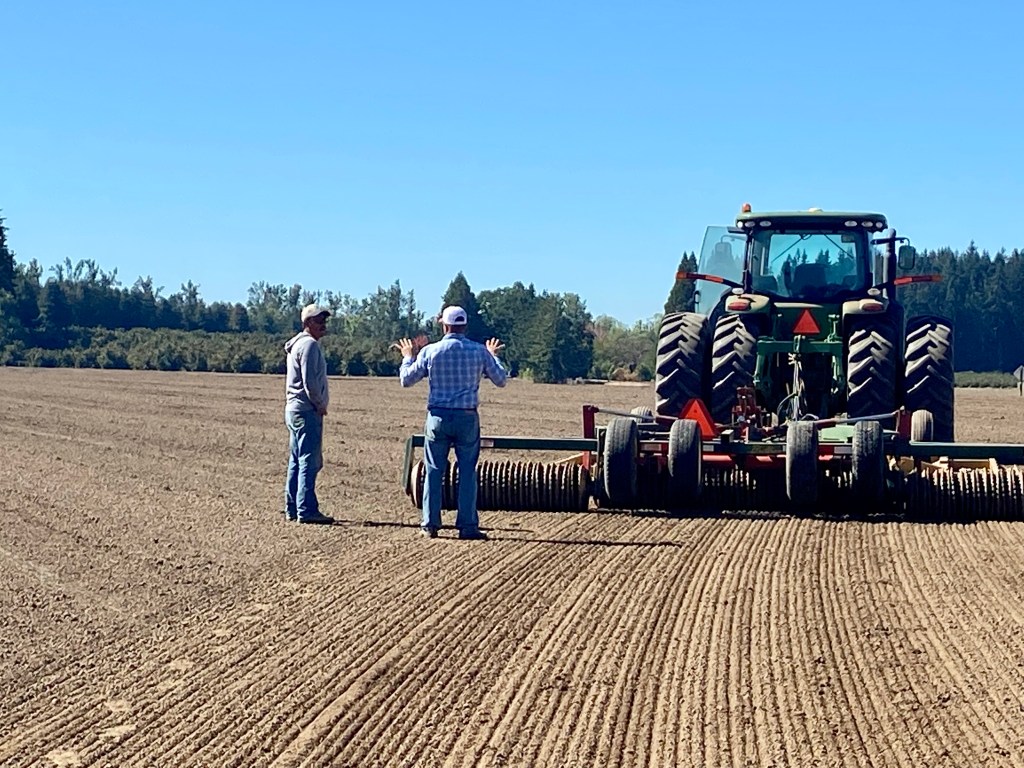
So in the “in between” we are also getting ground worked to plant. In the fall we plant our perennial ryegrass, tall fescue, crimson clover, swiss chard, and filberts. We are also applying weed control and fertilizer to many of our established fields. Meanwhile getting projects done such as ditch cleaning, excavation projects, etc.

So in perfect fall fashion the last few weeks have been a triage of “what to do today”. We have been able to get a few fields planted, worked and ready for winter, the tall fescue is all in and we have about quarter of the crimson drilled (planted), and killed off some sprout.

This week we will get back to harvesting the second (and hopefully last) time in our filberts.

And then after more planting in the good weather windows, more excavation repair and maintenance projects….at some point….we will all be very happy that it is finally November!!

Hot Weather in Oregon

We have been getting some above normal temperatures here in the Pacific Northwest. Last week we saw some record breaking temperatures go up into the 110-115 range (even higher in some areas), which made air conditioning feel incredible and the stress of what was happening to our crops not so amazing.

It’s hard to say how it affected our crops. When I walk around assessing what might be damaged it all seems very inconsistent. Some crops seem unaffected, while others have shown that it was clearly too hot for them.

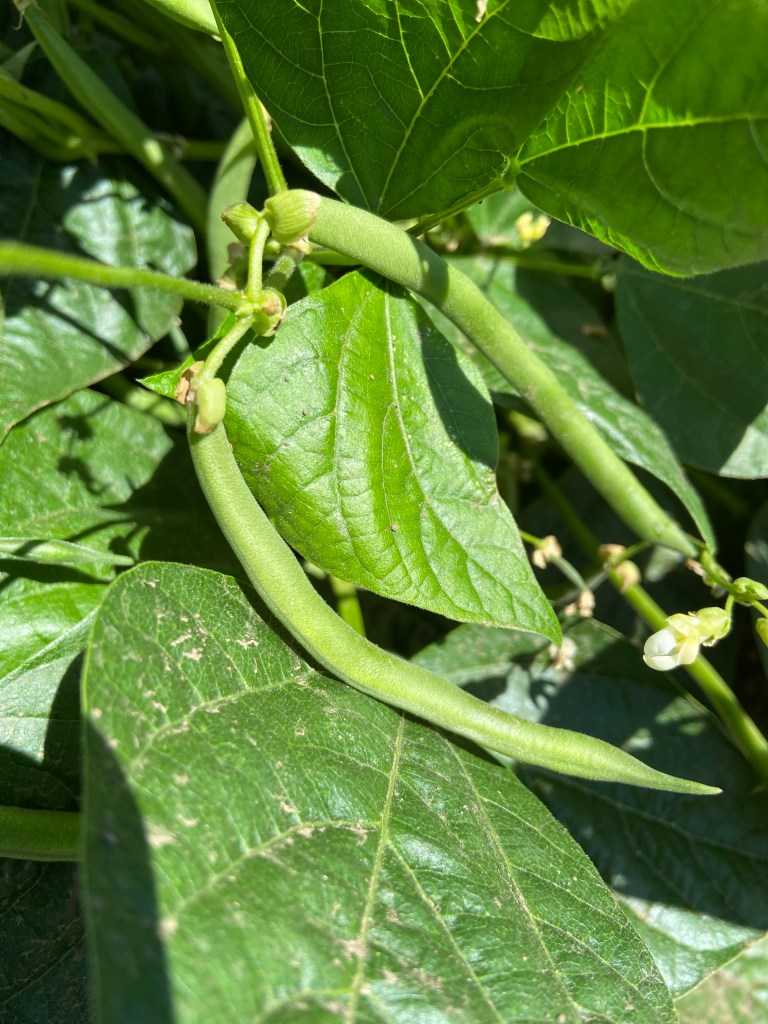
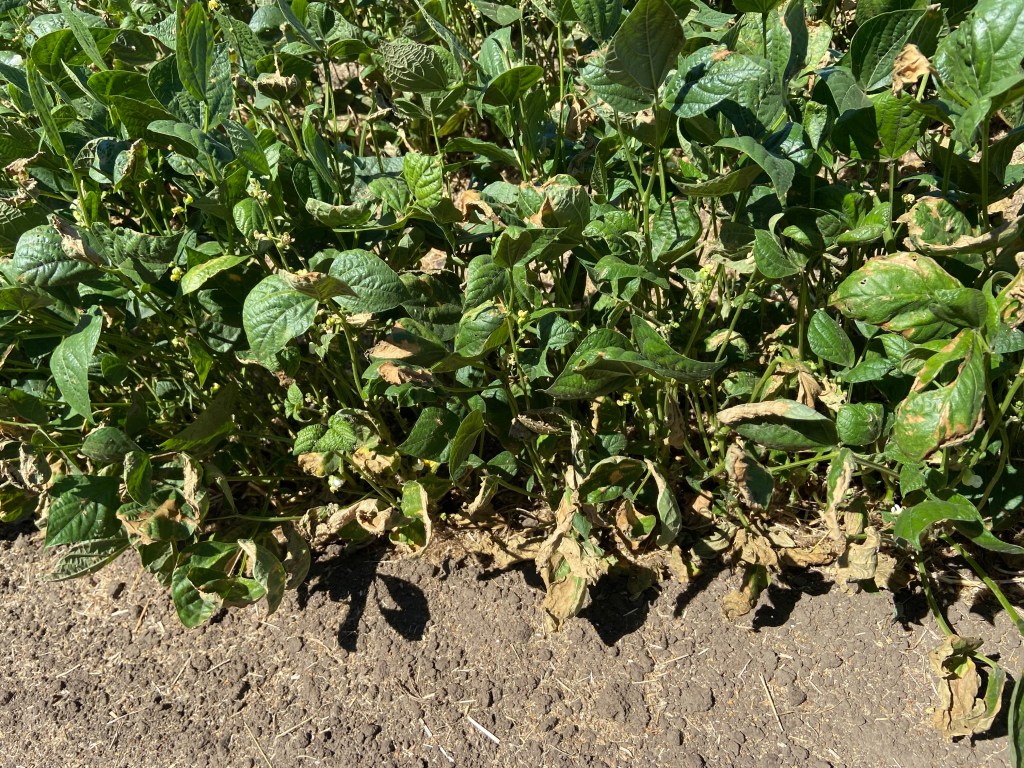
We have green beans that were trying their best to bloom during this time. We poured the water on and I think escaped with not too much damage to the blooms, but the plant themselves have seemed to have stalled somewhat. Sort of like saying “What on earth was that??!!”

This is in an area that got consistent water through the hottest days.
These beans plants were on the edge of the field and only got about half as much water as the rest.

Our hazelnuts in some areas look like you took a blow torch to them; and in other areas they look just fine.

We had about half of our grass seed cut for harvest, and I’m sure knocked a fair amount of seed onto the ground while cutting in less than ideal conditions.

So when asked “How did the crops do in the heat?” I honestly have nothing more to say beyond “We will know more after harvest.” Because until our crops get trucked across scales it’s always a tough call on what the effects actually were. Until then we will keep taking care of our crops the best we know how, keep trying to protect them from the things that we can control, and pray Mother Nature is done with the “extremes” this year.