Harvest harvest harvest

We have been rolling along over here in St. Paul. We started harvest early this year, we didn’t get much to any rain since early April so that really sped up the maturing of our crops.
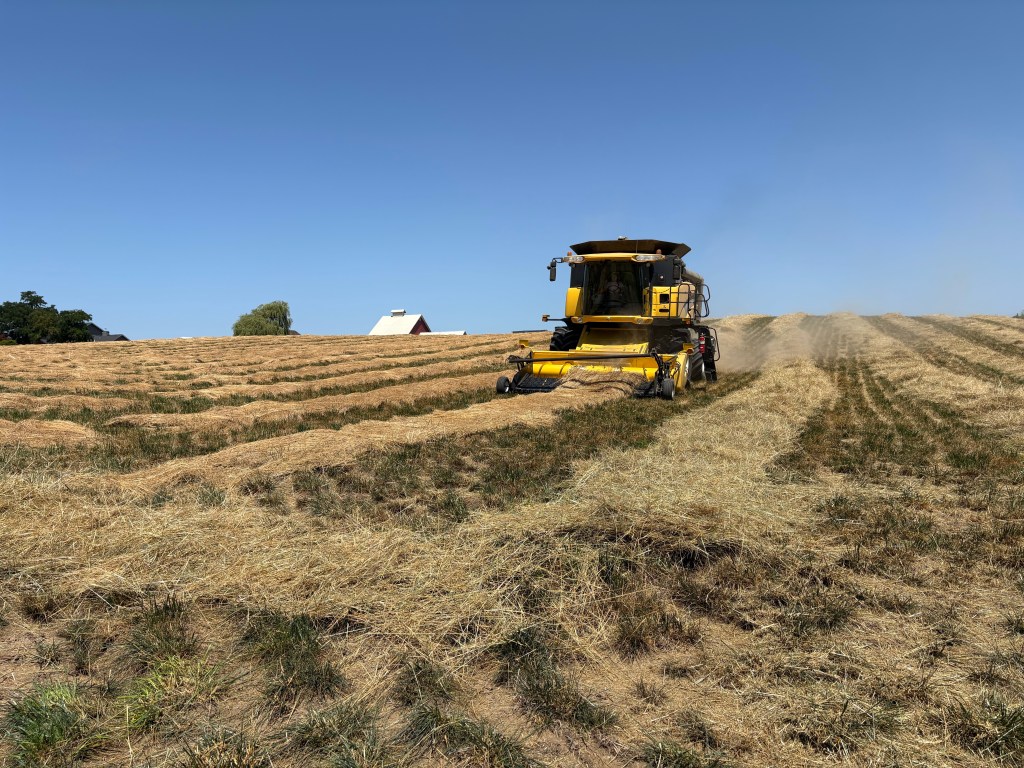
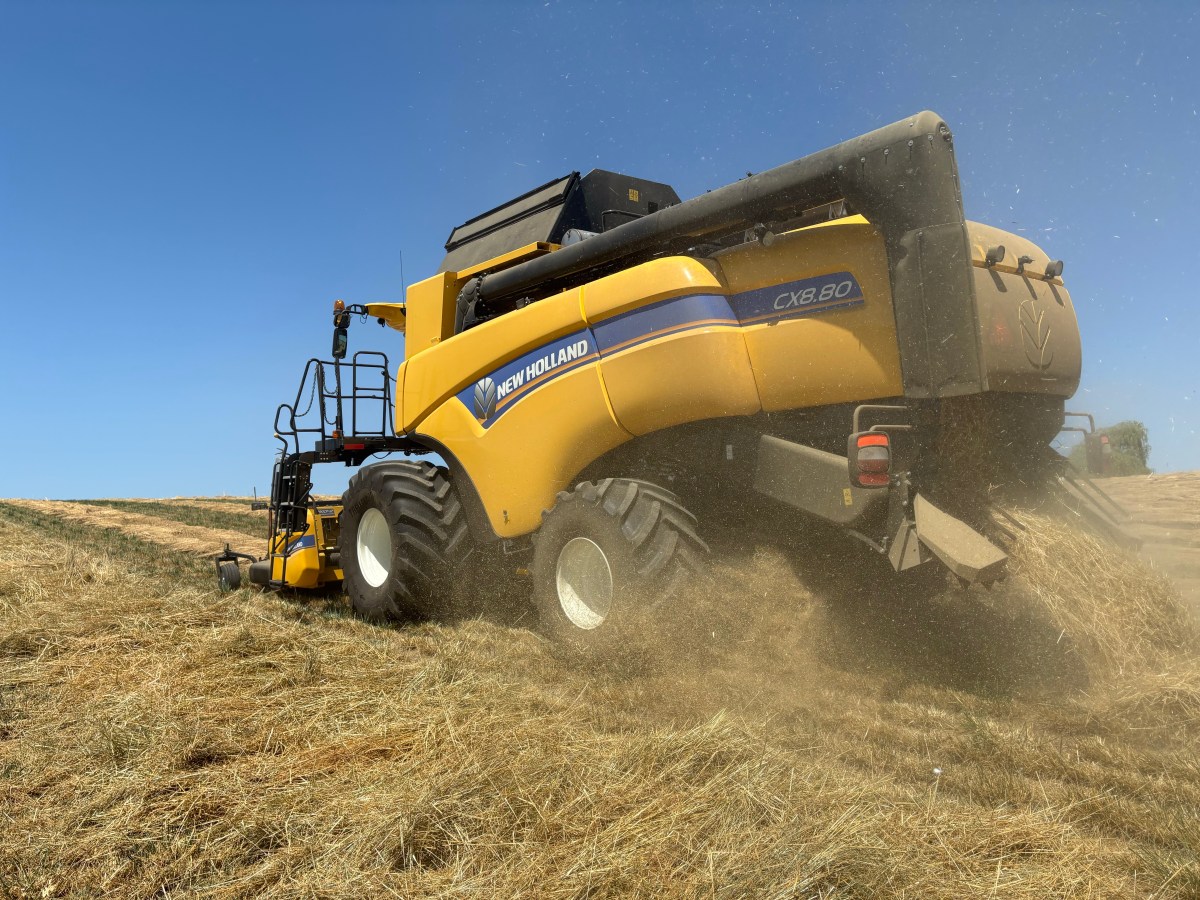
We are on a pretty good stride of the middle of harvest right now. Most days are the same, combine, fill trucks with seed, feed the people, try to stay cool, haul the trucks to the cleaner, rinse and repeat.

The beginning of harvest was a little insane I’ll be honest. We started combining crimson clover at the same time that we started cutting our tall fescue which happened to be at the same time as the good old St. Paul rodeo.

So our days started at 2am with cutting grass, moving on to 11am combining, 7:30pm rodeo volunteering or watching and finishing off that long day around 11pm.

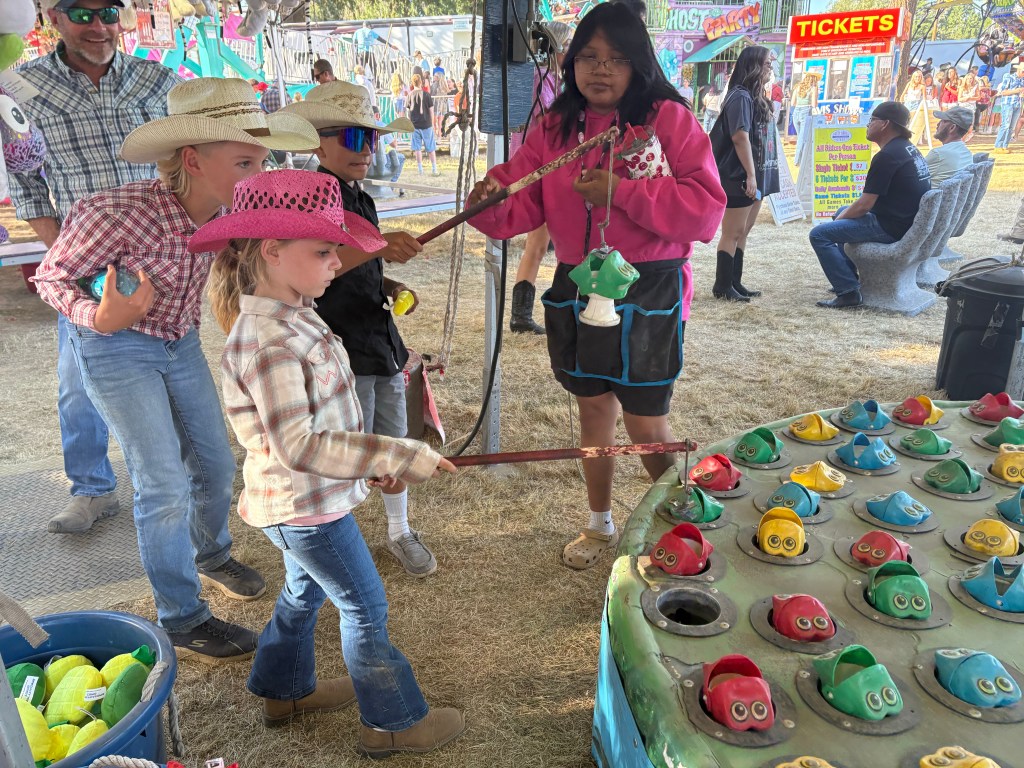
With of course the inevitable crying family member because there weren’t enough games played (Auggie), not enough carnival rides ridden (Millie), too much food eaten (Hoot), ready to be home (Matt) or just plain damn tired (me!). Don’t get me wrong though, we do a good job of having a lot of fun too!
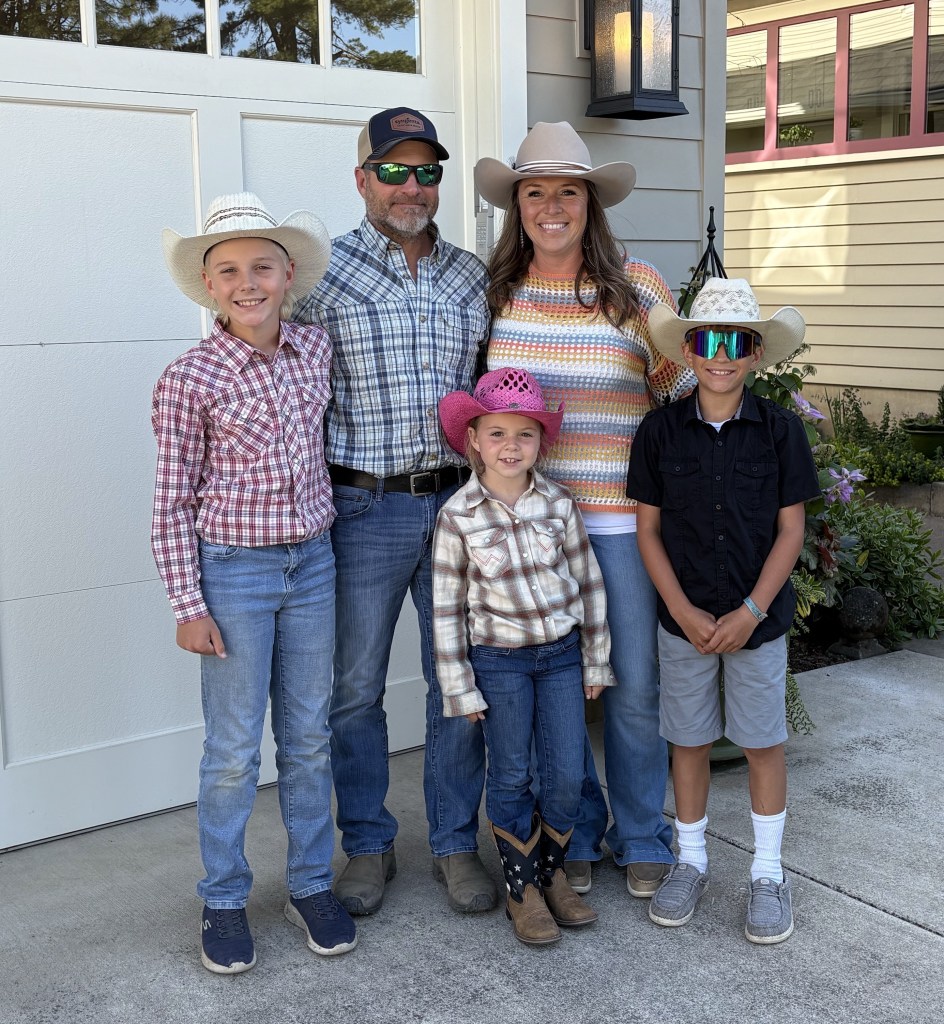
Not sure when we slept that first week but I know I am not the only one to be happy to be in the middle stride of harvest!!

We will finish tall fescue this week and then get the combines all cleaned out for perennial ryegrass. A week or so of that will finish our grass seed harvest for this year. Next up green beans, wheat, radish & filberts!

Isolation in Grass Seed Fields

On our farm we grow a number of proprietary varieties of grass seed for companies in the Willamette Valley. This means that these varieties by and large are bred to have specific traits. Some have disease resistance, some are greener, some are lighter, some are tall and some are short….without sounding too much like a children’s book here and before I start to rhyme my way through this post I’ll cut to the chase.

When we grow different varieties many of them are certified by Oregon State University. When certified it means that they have been signed up as such, inspected to check for issues with the field and also been “isolated” from other varieties.

Instead of having to plant fields that are super far apart, which would not allow you to use your land and soil to the best of your ability; we create isolation areas for fields.

These areas are kept separate when harvesting and cleaning the seed and are then paid out at a lesser price. The seed from these isolated areas are considered “un-certified”.

So if you’re out driving around in the grass seed capital of the world, and see some very tall markers out in the field this time of year, it’s more than likely to show the isolation areas of that field to keep the variety and characteristics of the variety pure.

Or if you see a helicopter that is flying super low above a grass seed field; it’s more than likely to check out the stand of that field and approve the certified sign up.

Here is where I would have posted the picture of the helicopter flying around our fields. However (in true Brenda fashion) as I was writing up this post and watching the helicopter in one of our fields get closer to the farm so I could take said picture, I realized that we forgot to flag one of the fields! So if you’re reading this today realizing that “whoopsie daisy now I have to pay for another inspection” let’s just say you’re not alone. I didn’t stick around to get the picture, but instead headed quickly to the field and got the flags up fairly quickly, however I’m quite certain I missed the boat (or more accurately the helicopter) this time around.

My Favorite Field

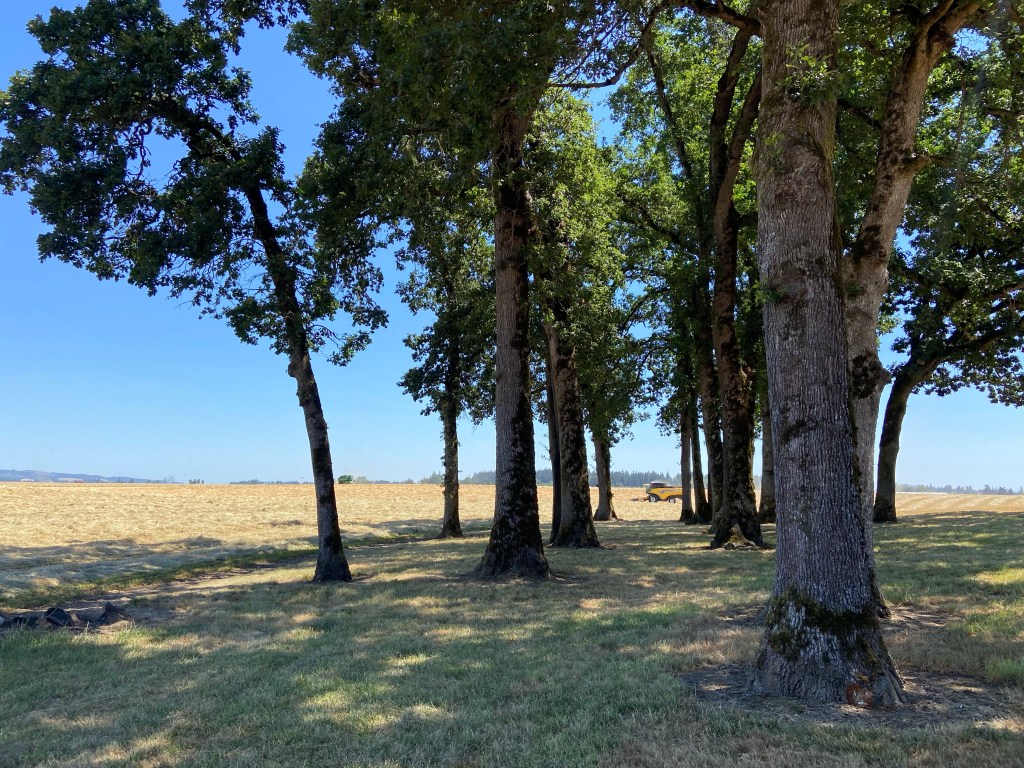
Some fields on our farm I wish were 1000 acres by themselves so we could camp out for weeks just harvesting in that one perfect spot. We harvested my favorite field last night. Sitting there in the beautiful shade of old oak trees reminded me how every year when we harvest here no one ever wants to leave.

For the kids there are adventures at every turn. In years past they have built forts or climbed on old equipment parked out back. This year Auggie made a restaurant selling all sorts of delicious tree bark and grass straw main courses.

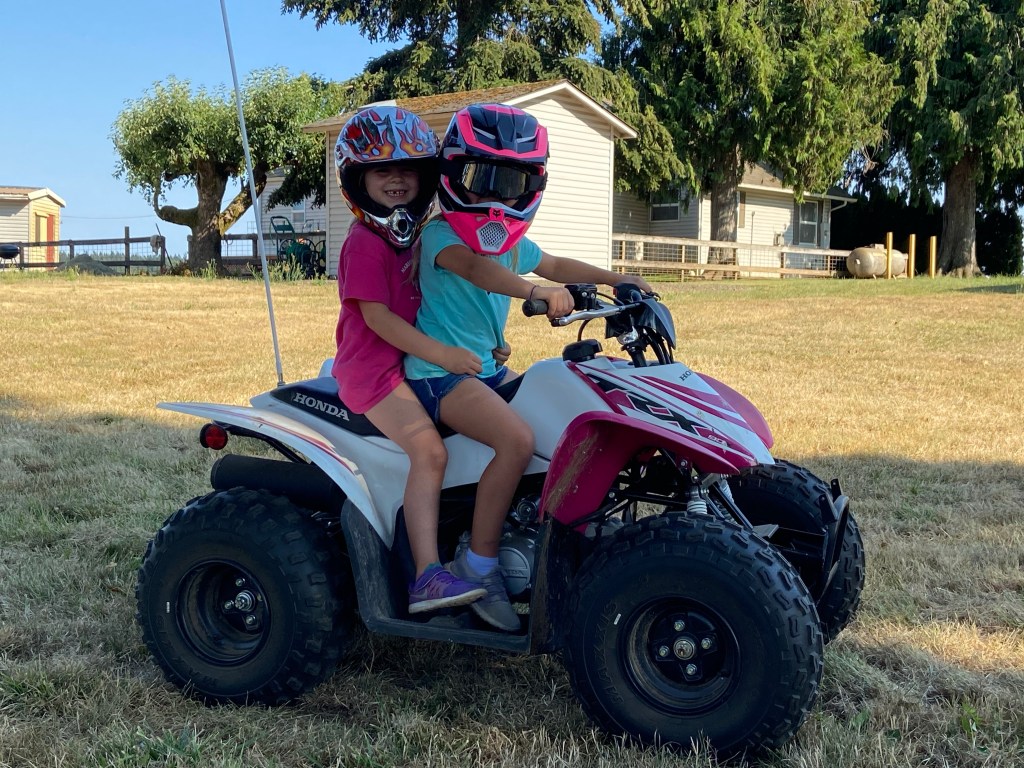
There was four wheeler riding, dinner eating, cold beverage drinking and even a dance performance on the old grain bin slab.

The next few weeks will feel like the Sahara desert compared to this. A lot more dust, more gravel roads and zero trees for shade.

But it sure makes you feel thankful for that one field, under those old oak trees, that you always wish could be 1000 acres.