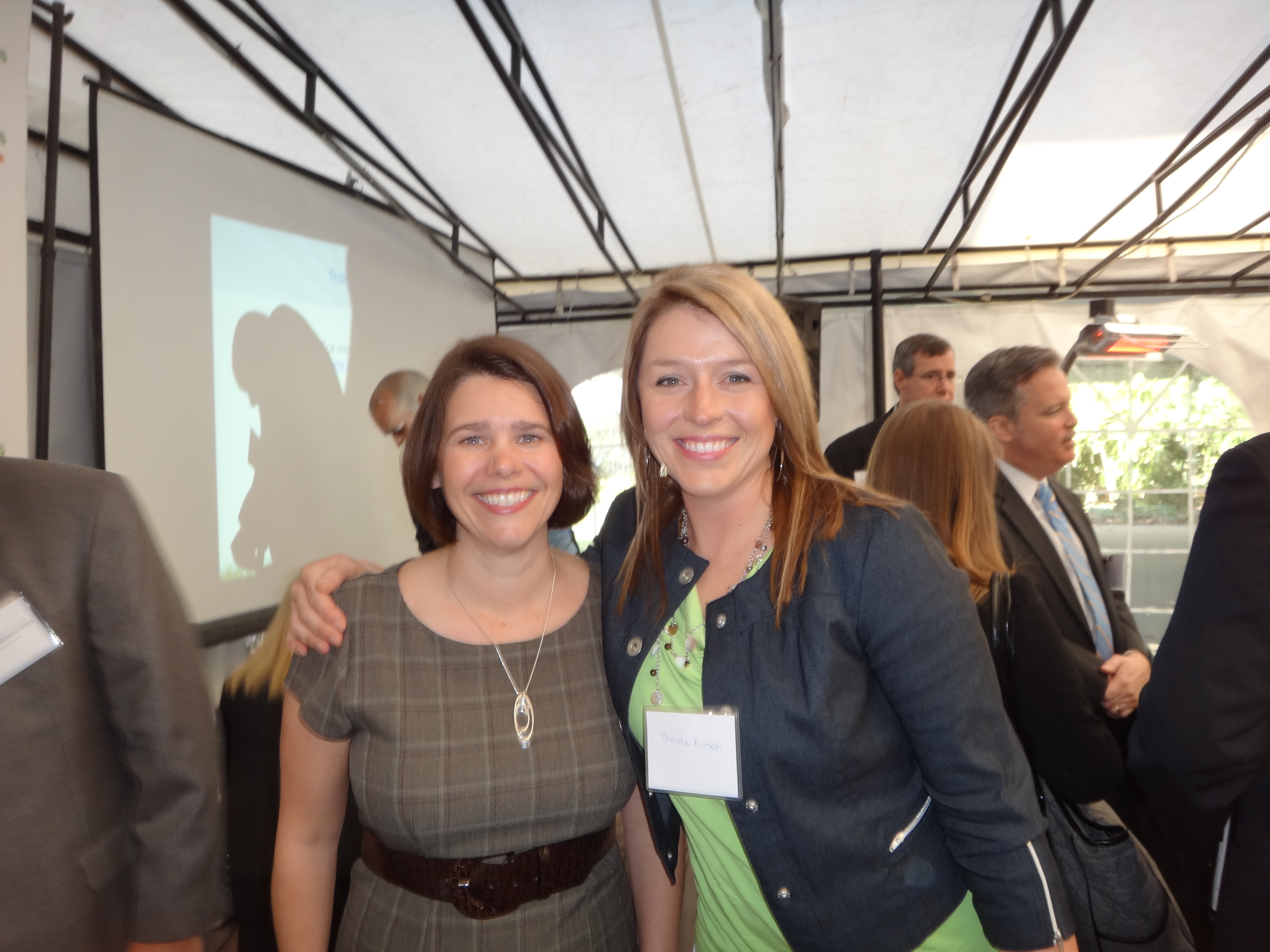
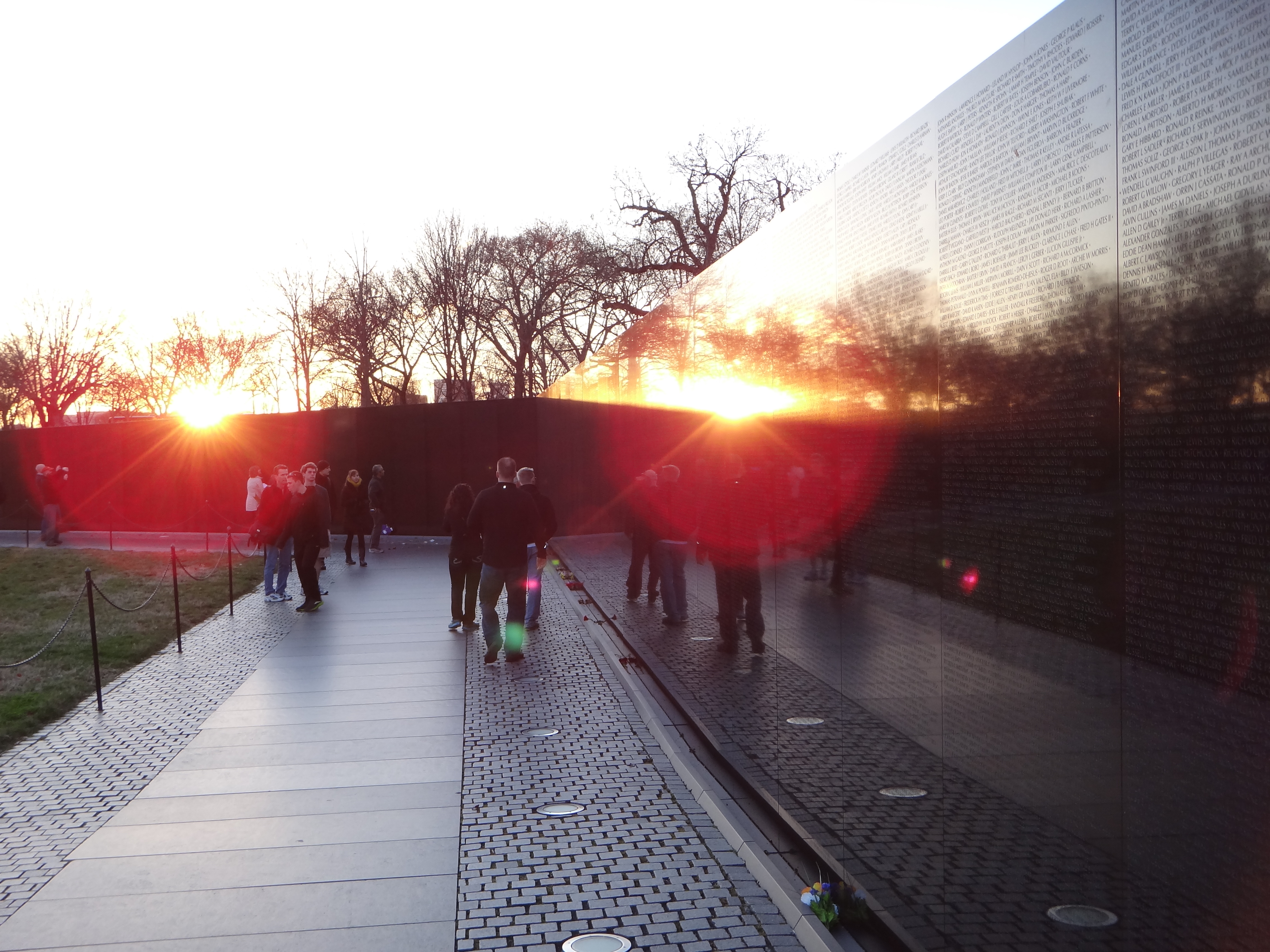
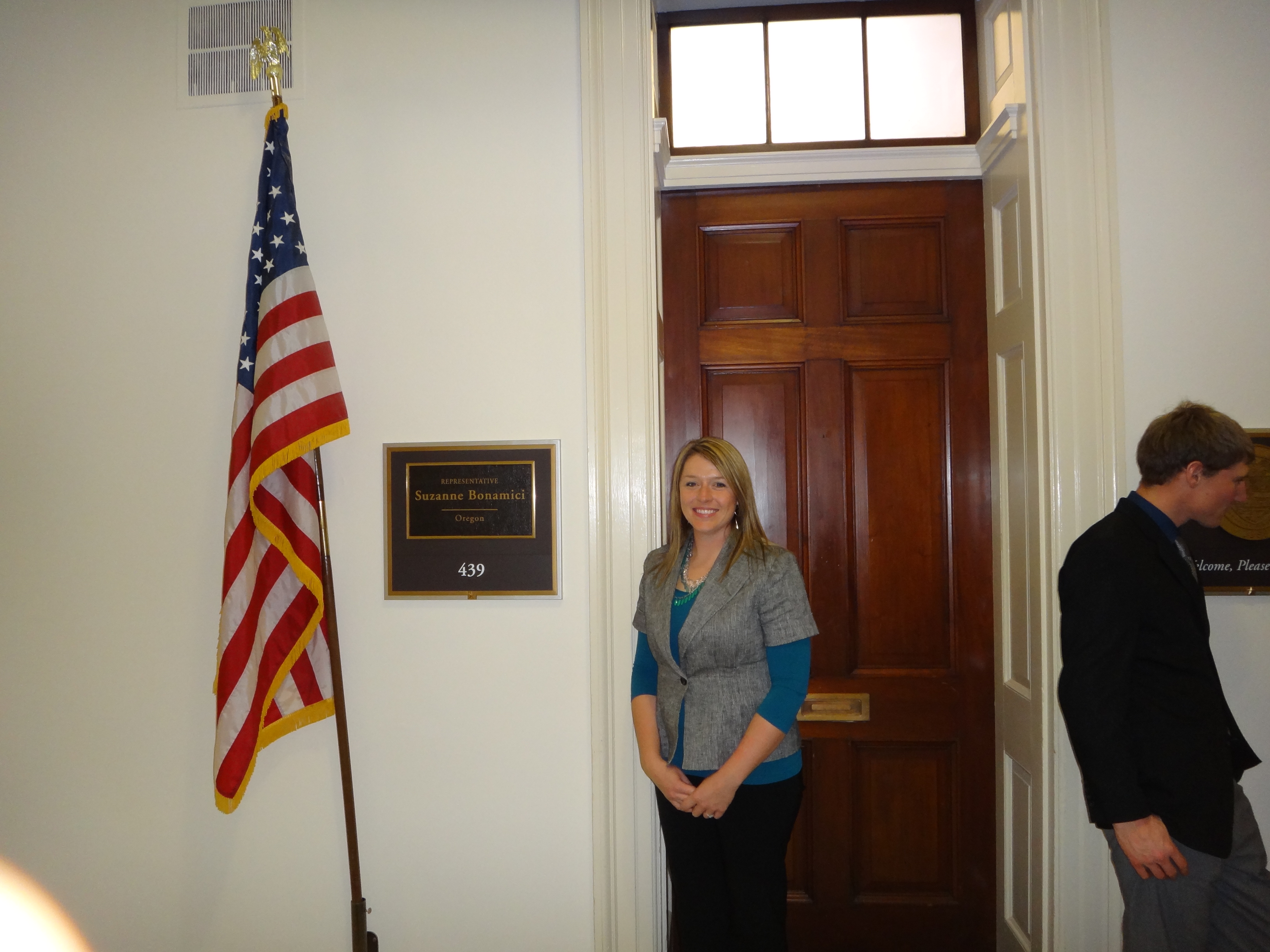
It’s Photo Friday once again and here is my latest adventure! This past week I spent a few days back in Washington DC. I went with Oregon Farm Bureau to meet with the “higher ups” and chat about what is going on back in Oregon on our farms. We also were able to attend a US Farmer & Rancher event, where I was able to catch up with Katie Pratt…one of the Faces of Farming & Ranching. It was a great couple of days, and of course we also got to get in some sight seeing! Enjoy a few pics of the trip!
Category: Travel
How I got here today….
I took a trip last weekend back down to some old stomping grounds. LA LA Land, what I affectionately call Los Angeles, was my home for four years while I was getting my undergrad degree at Loyola Marymount Univeristy. Strange perhaps considering about all you can farm down there is concrete and pigeons, but it was a decision that I made while still 18, impulsive, craving adventure and making sure that my next life step was not going to be in the confines of Oregon’s borders! Because when I say I’m from a small town, I don’t mean 10,000 people, or 5,000…St. Paul, according to its outdated population signs on the outskirts of town read a mere 322! So maybe you can understand why a glitzy and glamorous place like Los Angeles would sound like just the place for this small town farmer’s daughter.
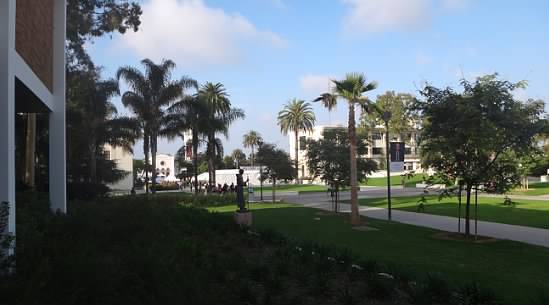
How could you not want to go to school here?!
So I was sitting there on the plane this past weekend, about to touch down in LA, and I realized that as much as I was ready to leave when my four years was up, I have to give some credit where credit is due to this thriving city. As I was walking off the plane and took that first big deep breath of humid, probably smog injected air, and heard a car horn honk, a part of me felt like it was home. I did a lot of changing while I was down south. Not only did I get a great degree in Business, circumnavigated the globe on a ship, and made some amazing friends. But I also learned how much I loved having seasons, how being dirty in the summer is oddly a necessity for me, that I wasn’t cut out to be a lawyer, and that my true calling and passion wasn’t something that I was going to find in LA, it was something that was waiting for me back home.
A few of the wonderful friends that I met!
The credit that is due to LA however is that I’m not sure I would have ever found this appreciation for farming and rural life if I hadn’t left and gone to the extreme opposite type of place. Rural life, when it’s all you know, it doesn’t seem that great. You are in a place where it’s a bit boring, and you know everyone and their dog (literally). But then once you experience life in other places, like the big city, I was shocked to be surprised when I didn’t know someone, annoyed that there were people everywhere, and overwhelmed by all the activity!! Don’t get me wrong, I got used to this type of life, it just took awhile! And in the end it was true…”You can take the girl out of the honky tonk…but you can’t take the honky tonk out of the girl” And it showed, because there were times you just can’t hide where you come from. For instance when your nice pair of heels is a pair of cowboy boots and you’re just not sure why this is so strange to all your new friends in the dorm. Or when you say something like, “Oh my gosh the funniest thing happened to me while I was combining in the field last summer!” And your new roommate responds with, “What were you combining together?” (always followed by a lengthy description of a piece of harvesting equipment that we use during harvest). All in all people loved hearing about “The Farm”. It was a part of me that came to define much of who I was down there. I was the farmer, and I loved it, and it reminded me that it was ok to love it, embrace it, and be proud. I realized that my original decision to be brave and go face the scary unknown of the city, just brought me right back to what I’ve always known.
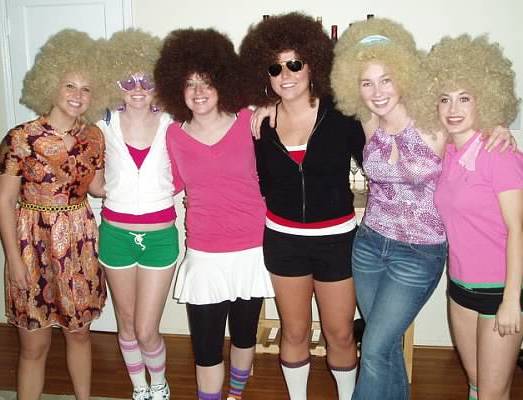
These girls are going to kill me for posting this classic picture!! Love you Ladies!
So when I visit now, I’m glad it’s just a visit. This slower way of life is addicting and I’m amazed at how tough it is for me to adjust back to a fast paced life, let alone the driving (will someone please teach Californians how to use blinkers?!) But it always brings me back to those days when I first realized that what I truly wanted was where I had been, and where I was going was all because of this slimy, gritty, beautiful, concrete town by the beach where I found who I was truly supposed to be all along.
Kenya 2012…Challenges & Blessings of Farming
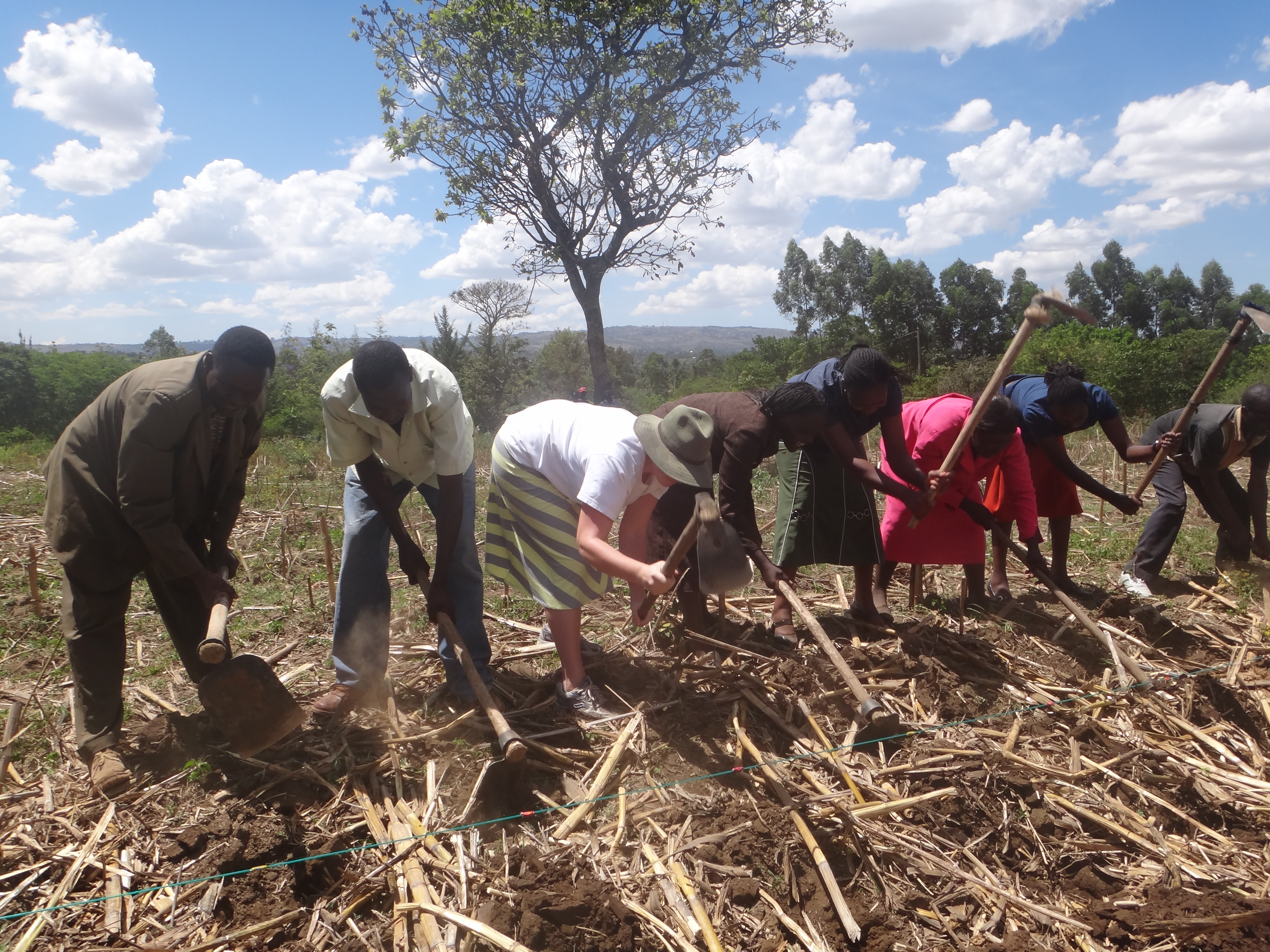
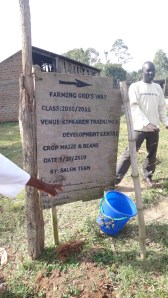
Like I wrote last week, I will be talking again about my trip to Kenya that I took this past January. I went for many reasons, and one included teaching about different farming practices. The program that I helped to teach is called Farming God’s Way. It is a program that was started in South Africa and is spreading all over southern and central Africa. It is a form of no-till farming that they can do by hand. Right now they are plowing their land, letting it sit, waiting for the rain to beat down on it and flush their topsoil literally down hills and into streams and rivers. Then the ground dries up so quickly because they are so close to the equator and with that hot sun, it’s taking so much nutrition from the plants. Their main crop is Maize, or corn. With the traditional type of farming there they are lucky to get one good crop of maize, if they are able to no-till and use mulch to cover their ground, that same plot can get up to 3 or even 4 crops in a year! One farmer’s testimony talks about his shamba’s (farm) succession from his father to him. He was more willing to take a risk and try some new ideas and was taught Farming God’s Way. He implemented the practices and took the shamba from a 6 to 7 bags of maize per year, to over 65 bags per year! I’m telling you right now, this is HUGE! He can now feed not only his family, but he can sell to make income at the market, and also give back to his church in tithes to help his community. This is truly something that has the potential to change the outlook of the hungry in Africa.

I won’t tell you too much about the details of how this program works, you can look at their website and let me know if you would like more information. I would though like to talk about some challenges and some blessings that have been going on there.
Challenges:
- Getting food from abroad coming “out of the sky”. This seems like an odd challenge for these people, since they are hungry, you would think that getting food would be a blessing. However it becomes very challenging when they become to rely on the relief packages. Last year some farmers were given seeds to plant for corn, and instead of planting them and nurturing it to bring more food to their families like you would think would be the best option. They ate the seeds and promptly went to the food kitchen to be fed for the rest of the year. I can’t blame them; they are being enabled, in a sense, to be lazy.
- This is Africa. Maybe you have heard it before but the saying, “This is Africa” sort of encompasses some of the mentality that I experienced. It basically says this is how Africa is now; this is how Africa will be in the future. Tradition is hard to overcome anywhere, but in a place where sometimes that is all you have, it makes it even more difficult to get people on board with new ideas. I felt like we were making some

The neighbor farm plowing to get ready for planting. great progress and then I saw the farm right next door plowing a few days after we got there. That farmer hadn’t come to our seminars and I asked some of the people at the training center why he didn’t, it seemed so obvious that he would want to come check out how to be a better farmer. And I was told that he farms how he has always farmed, he won’t come to seminars and isn’t interested in learning the new ways. “But has he heard how good this can be for his farm? How much higher his yields can be??”, “Of course he has, but he doesn’t care. This is Africa Brenda.”
- They will be the first to tell you that it’s hard to change anything in Africa. Which I think is true among many agricultural communities and people. We’re a traditional bunch, and at times change can be considered a bad word. We’re more likely to do something because my dad did it that way, and his dad did it that way, so of course that’s still how we’re doing things! So I think that although some are coming around to a new way of farming, it will still take a long time to get a culture turned around and to start listening to their neighbors and see how this is producing more food.
- Timing is so important in farming. When it plant, fertilize, harvest, etc. In Africa time is usually the last thing on their minds. Time goes at its own speed there and it is of no importance, I can’t even count the number of times they would say a class would start at 9, 9:30 rolls around, maybe even 10 before it really starts rolling. So that was a hard concept to get across, that you have to do things in a timely manner. For instance when your weeds are only 1-6 inches tall and you’re hand weeding. It will take one person 7 days to hoe a hectare. The weed cycle there is 10 days, so you would have 3 days free to do other crop maintenance. But if you wait until the weeds are 7-14 inches tall, it will take that same person 13 days to hoe the hectare. Leaving him instantly 3 days behind and with a huge battle ahead of him.
Blessings:
-

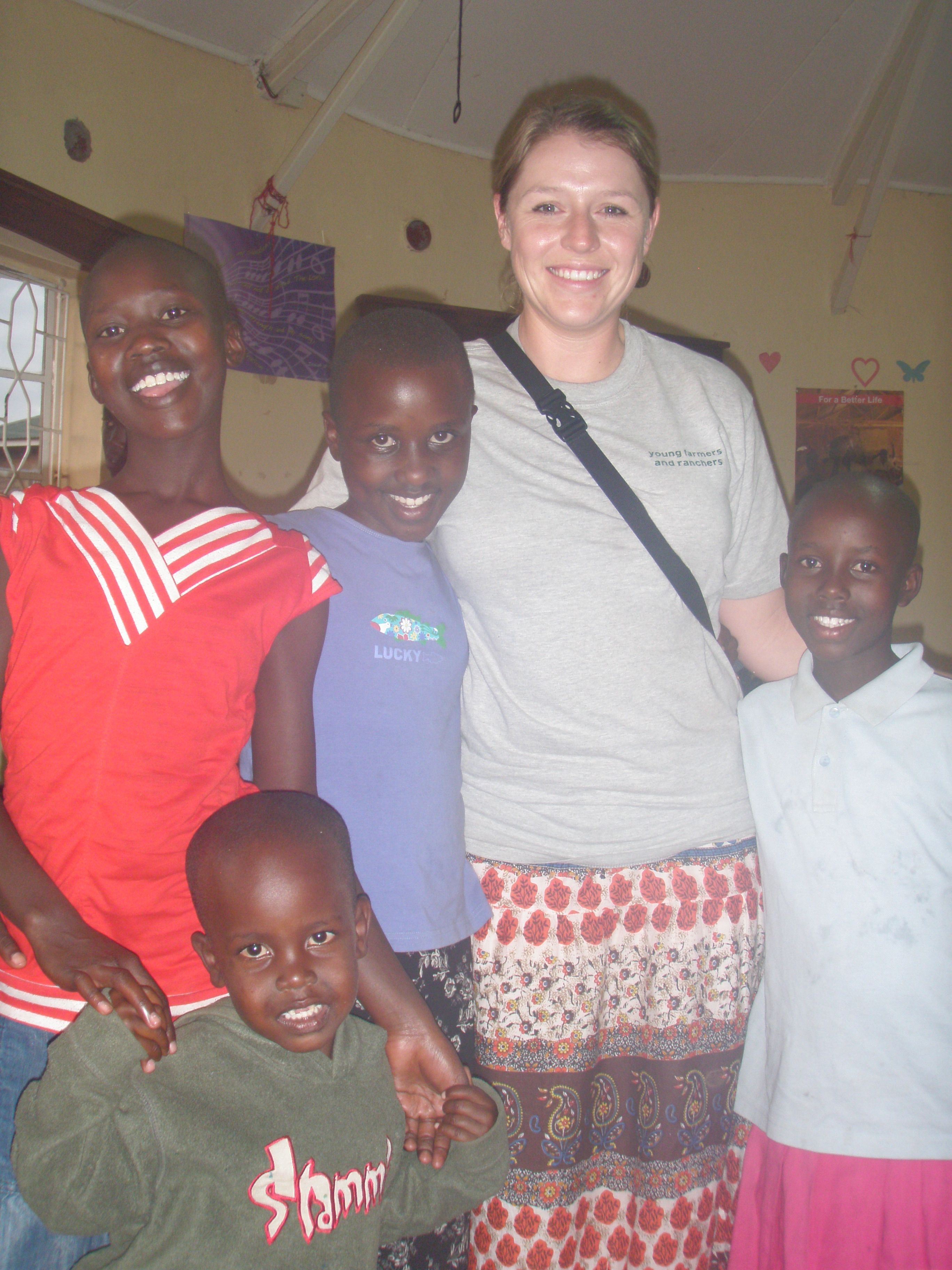
Isaac Rutto, with Tim & I They have a wonderful extension team at the training center. These two men, both named Isaac are incredibly helpful and innovative when it comes to ways to help spread the word when we can’t be there to teach the seminars. Isaac Rutto goes out into the community all the time to put on seminars and teach classes. He hasstarted teaching in Tanzania with an interesting approach. He taught a portion of the class to a few farmers. Then told them that to get the rest of the class and information they could come back, but only if they brought a neighbor. And so it went on and on, they are up to 80 farmers and still growing!! What an amazing accomplishment.
- Isaac Mwebe is the other teacher that is instrumental in getting this program to

Isaac Mwebe's Family, and their beautiful Maize! continually grow. He works at the Agricultural School that is located at the training center. He not only teaches the practices but also farms this way himself. Well his wife is the actual farmer; he just comes home to help on weekends. He gives her so much credit and she is doing a wonderful job! They have 8 ft tall corn right now and it looks beautiful, it’s also their 3rd crop on dry land! A huge blessing!
- Their climate is very conducive to many crops. Since they are so close to the equator their daylight only changes by a half hour year round. Also their temperatures never vary beyond about 15 or 20 degrees. The only thing that changes is during the rainy season it pours buckets of rain from about 10am to 3pm. So if they could do a better job of harnessing that water when it does come, and not let it go flying off into the streams with their topsoil, they could truly have huge yield increases.
- Their chance to use farming as a way to praise God. This program brings together the idea that God gave you everything you need to be successful and bountiful with your land. We just need to be able to use what he gave us in the right order, at the

Praying over our community farming plot. right time and with excellence. So farmers now who are using these techniques are finding that it is proving their hope in God is real and they can share that with their neighbor.
- What struck me most, was their ability to open their arms to us and really truly want to hear what we were teaching them. They were taking notes like crazy, asking questions, and truly paying attention to any advice we could give to them. I thought this was so interesting because I’m pretty sure that if someone came on to my farm and told me they were going to completely change the way I did things, I would probably kick them right off. I think for them however the difference is that they are somewhat at the end of their ropes. People are truly starving and not able to feed their families on what they can produce on their land. I think many of them are at the point where hope is all they have left, and what we have to say, even though it’s different and new, might be worth a shot.
This trip was a true blessing to me personally. I got to meet so many interesting people and was humbled by their stories of survival and hope. I think that they live in a world where hope, at times, it just about all you have got in the world. I think that we forget many times how much we have to be thankful for and we owe it to them to give thanks for our fortunate situation here. I hope that you see how we were truly trying to empower the Kenyans in that area to find what works best for them, teach them how to do it, and they leave with a hope that it will continue to be taught! I know that there will be a team going back next year, I’m not sure if that will include myself or not just yet. But I do know that I left a piece of my heart back there and will think of them every day until I get to go back and see how what we taught has helped and find more ways to empower them.