They say a picture is worth a thousand words…
 But I’m going to guess that this one is also going to come with 10,000 new adventures!
Baby Frketich, due May 8, 2014!
They say a picture is worth a thousand words…
But I’m going to guess that this one is also going to come with 10,000 new adventures!
Baby Frketich, due May 8, 2014!
We are splitting our time right now between getting the hazelnut crop all picked up off the ground, and getting next year’s perennial ryegrass crop into the ground.
I’ll start with the end of our hazelnut (or filbert) harvest. We are picking up the nuts from our smallest trees. The trees are only 4 years old, so they don’t produce like the larger and older trees, but it’s still exciting to have our first crop to pick up ever! They say that once you start harvesting your trees, the crop will double every year, so next year the row should be twice as large!! Since I posted a ton of photos of the harvester, here are some of the actual sweeping of the nuts into rows.
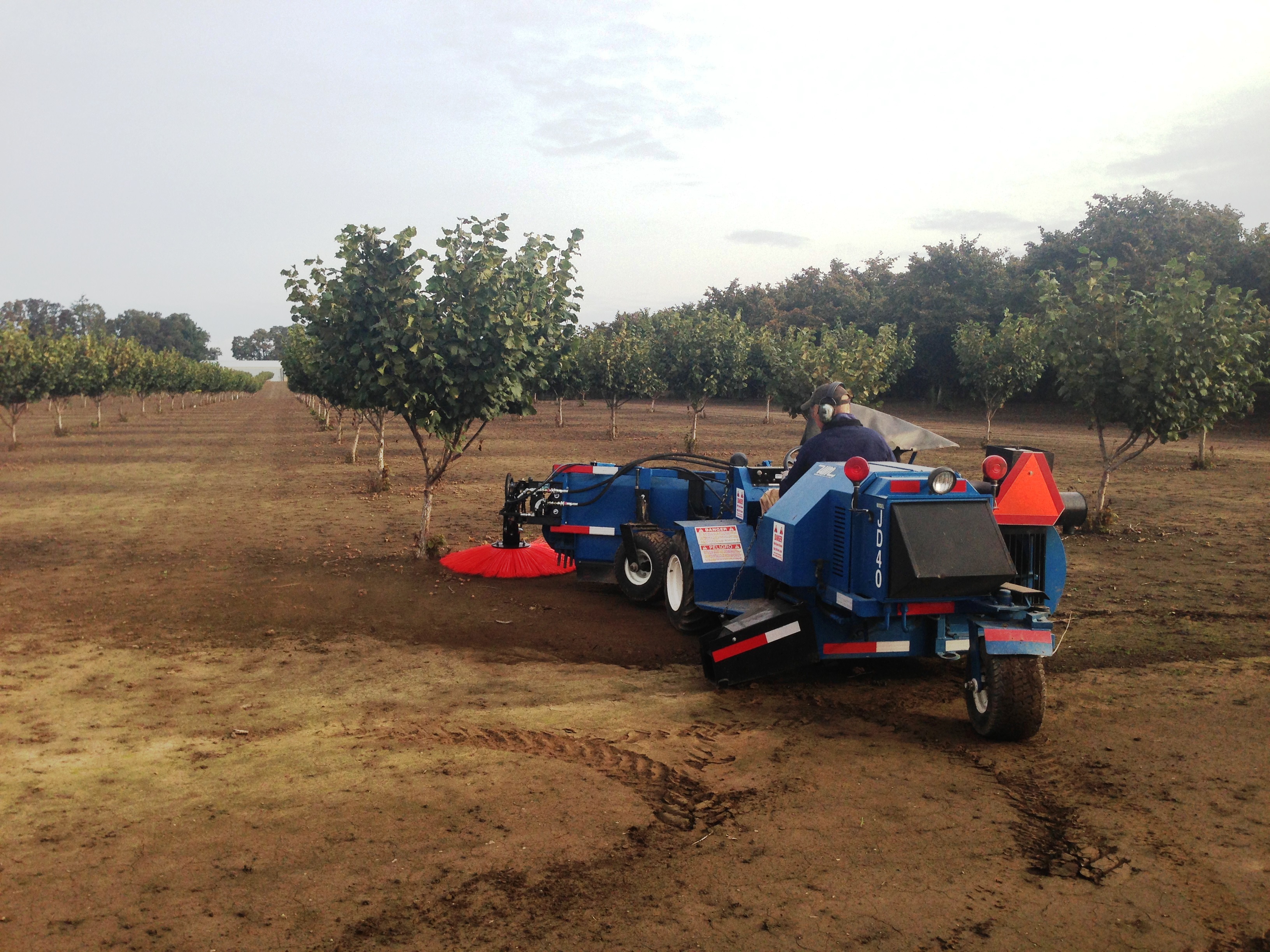
 In this photo you can see he has gone down one side, the sweeper with the brush on the end does a great job of grabbing all those nuts.
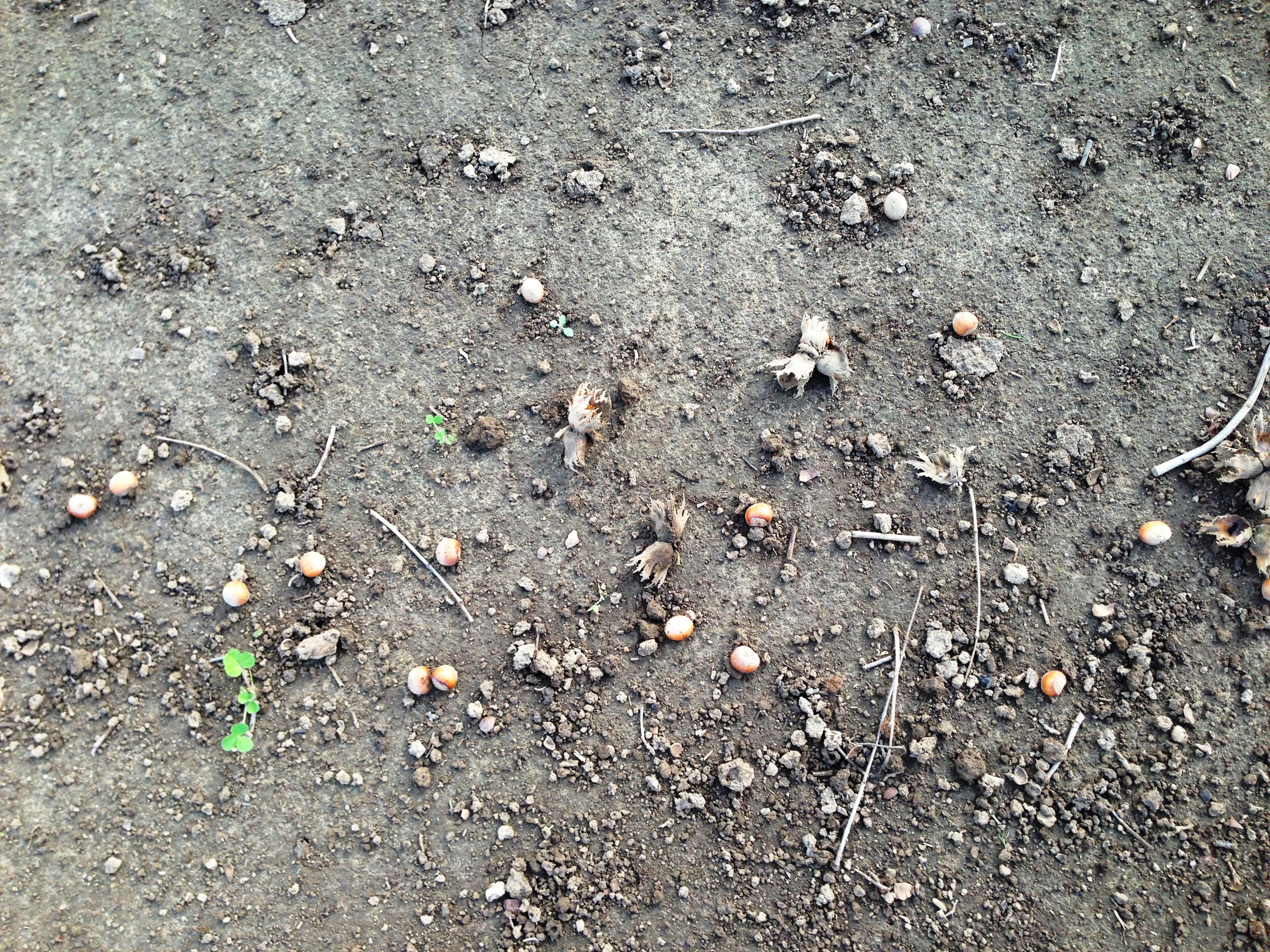 Like I said, it doesn’t look like much, but every nut adds up!
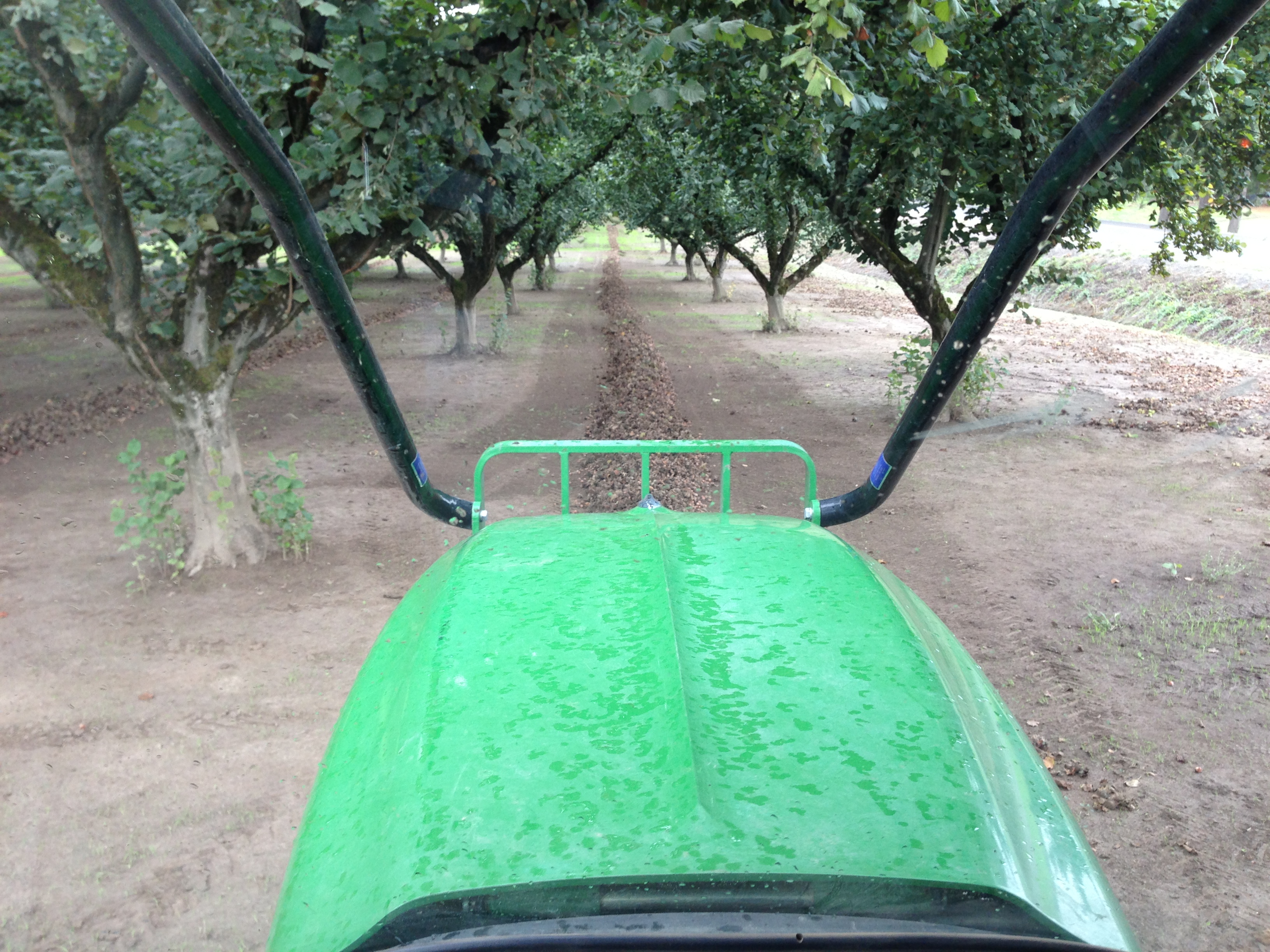
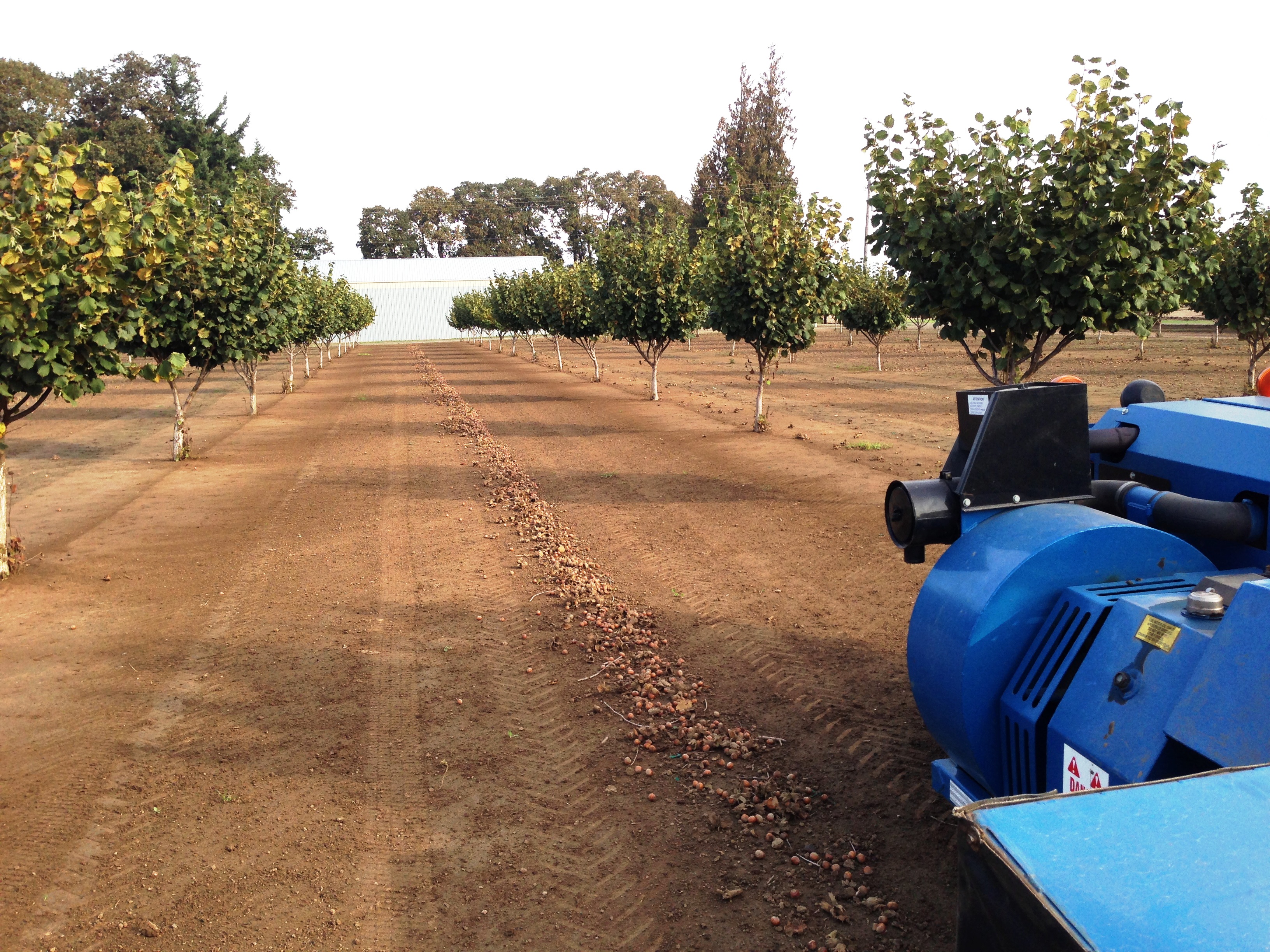 And finally you get a row to be picked up by the harvester.
Also I have gotten a few questions about our cabbed tractor that is used to harvest…yes it’s very nice to have a cab and no I don’t feel like a wimp having a cab haha! Here for example is what I looked like when we had no cab…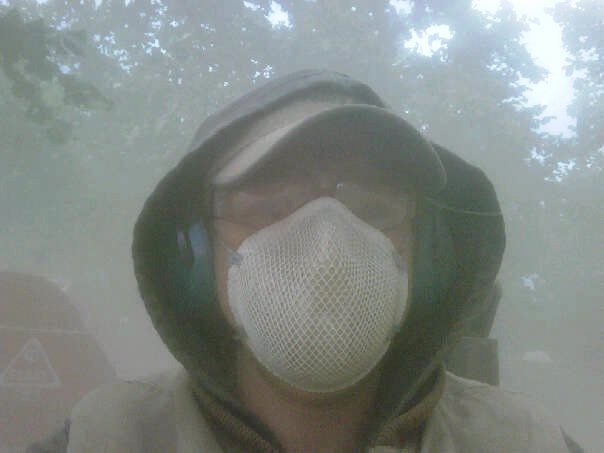 And here is how I feel about being much cleaner and much happier with a cab!!
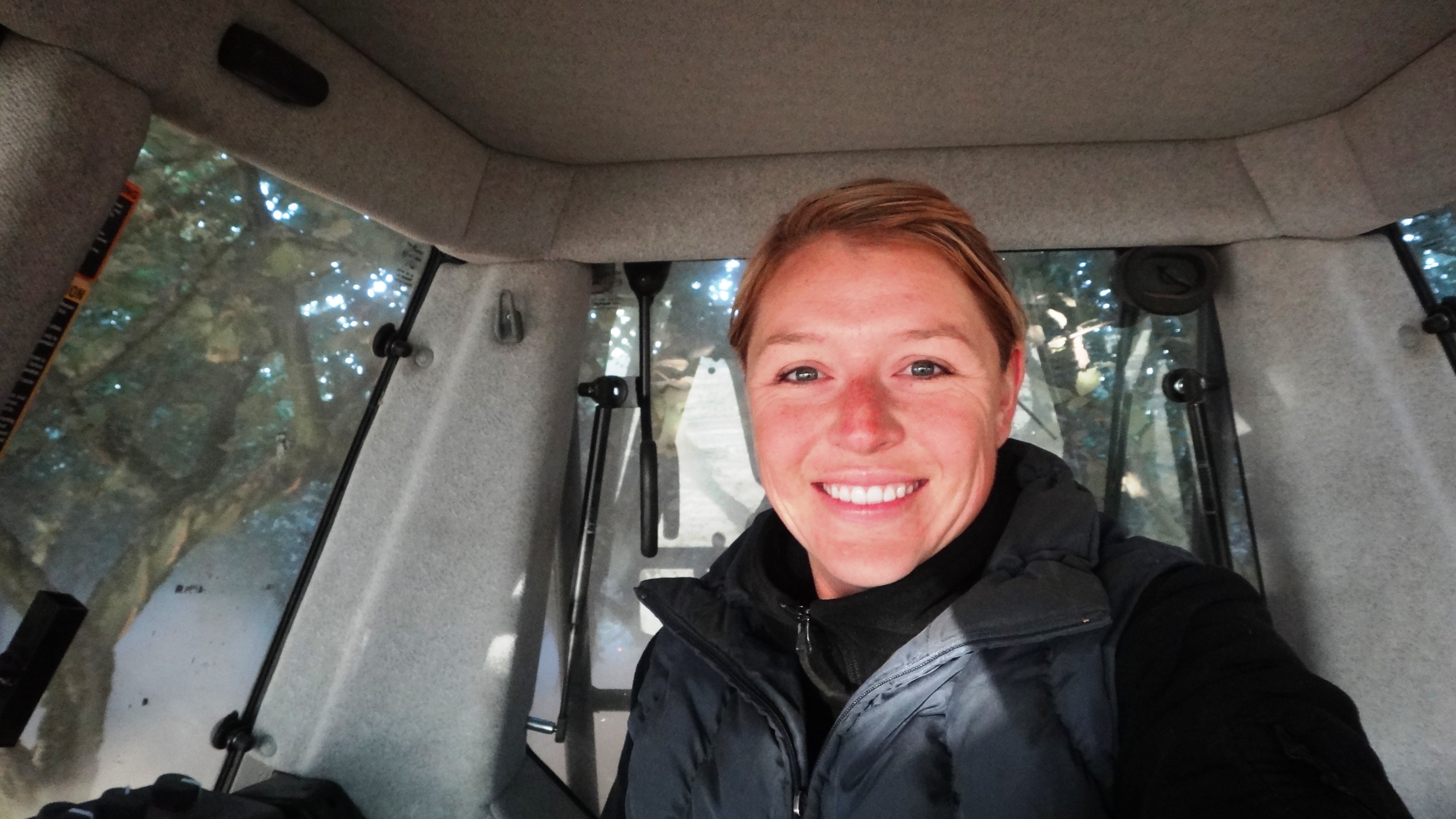 Really can you blame me??!!
We have also been planting perennial ryegrass. We plant the grass with a John Deere drill, on 12 inch rows. The planter has nozzles on the back that go over the rows and spray charcoal down over top of the row that you just planted.
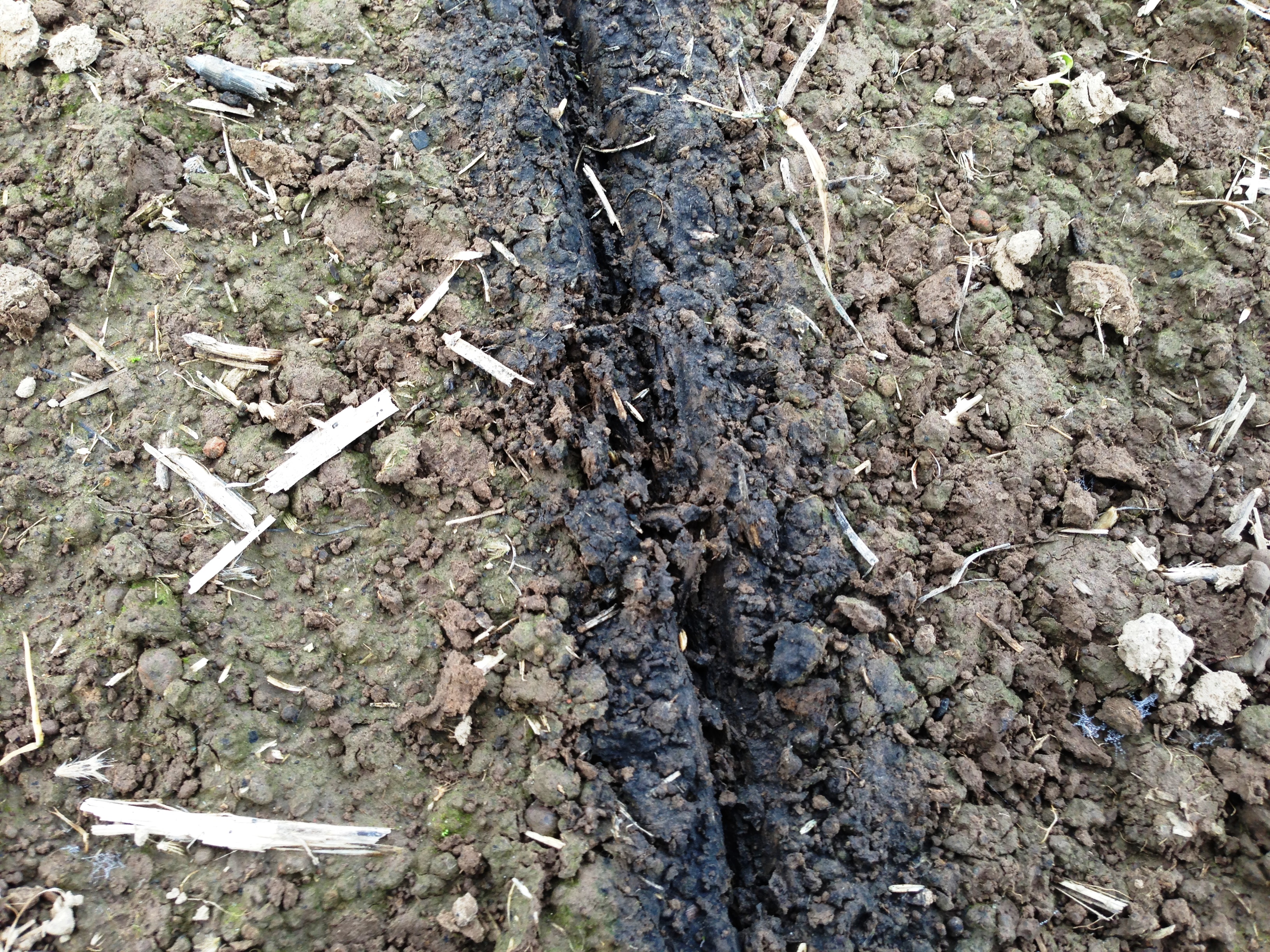 The charcoal serves two purposes. Not only does it contain a little bit of fertilizer to get the plant some umph to get it up and growing before winter, but it also deactivates certain herbicides that we can spray over top to keep the ground around it clean, and not kill off what we want to grow.
 This is the sprayer that I use to apply the herbicides after planting. With crops grown for seed it’s incredibly important that you keep weeds out of your field. And since we are growing a crop that will stay in the ground for a number of years, it’s even more important that you start off the field with a clean slate. Weeds will inevitably come in, but the sooner you can stop them from growing or kill them off the better you are and the more likely you will be able to save on sprays in the future.
Just like in your own yard or garden, it’s easier to kill unwanted pests when they are small or before they come out of the ground than when they are two feet tall and going to seed to spread and spread.
We finished up planting last week and are still working to get all the hazelnuts in, which should be wrapped up this week. Phew…I’m sure we’ll be bored by the time this week is over…what to do next?? Trust me, on a farm there is ALWAYS something!
As promised I finally have some photos to show of what hazelnut harvest looks like here in Oregon. We finally got some good drying weather around here and were able to get out in the orchards and pick up most of the nuts, we still may run back for a second pick but it feels good to get most of the crop up off the ground and into the processor. The whole harvesting process is pretty simple….it’s really as easy as 1, 2, 3ish….more like steps 1 to 8.
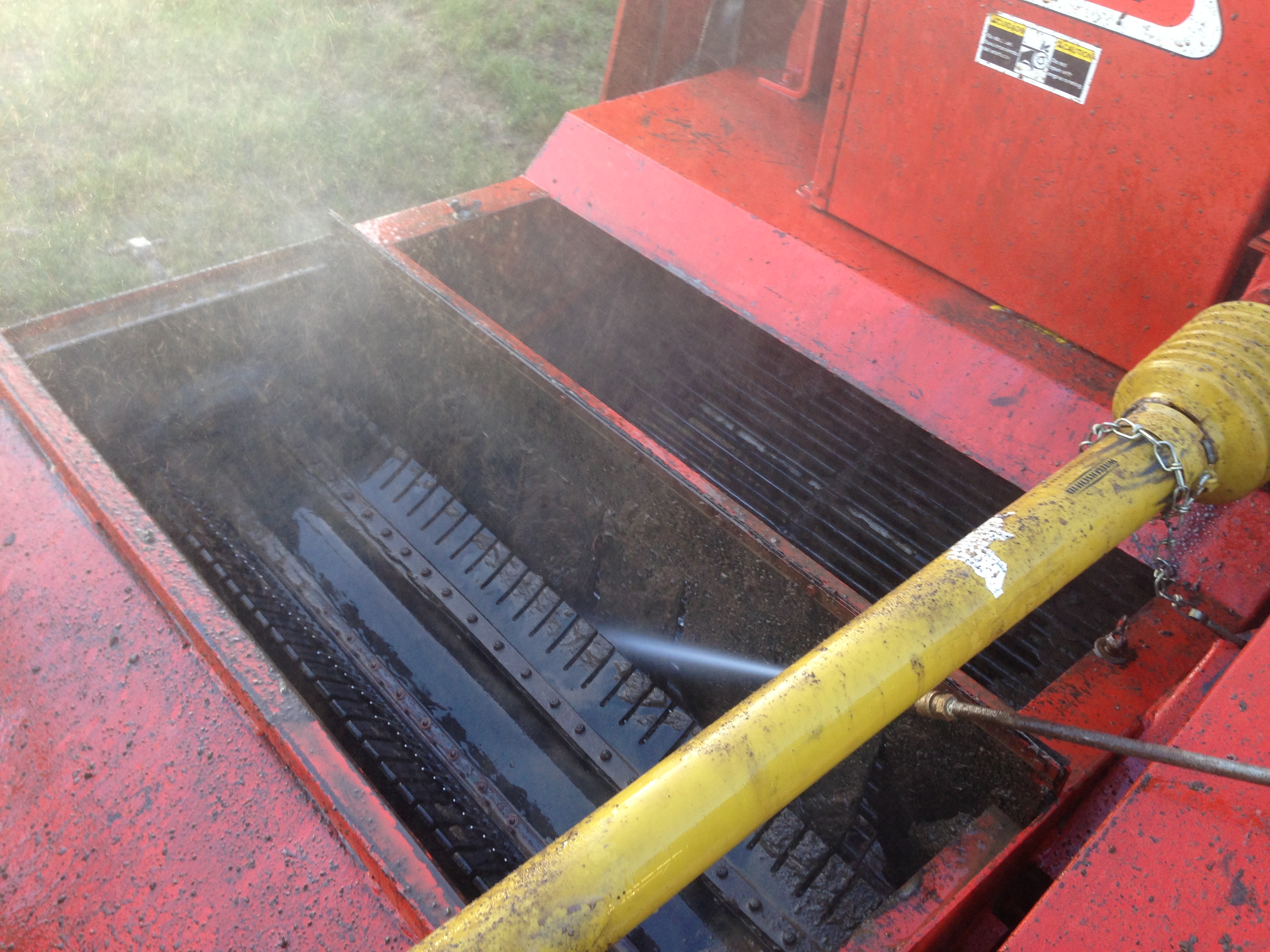
 4. The harvester uses a belt to pick up the nuts into the harvester, then they go over a dirt chain that allows dirt and small debris to fall through.
  Here’s a look without the covers on the harvester of the inside belts.
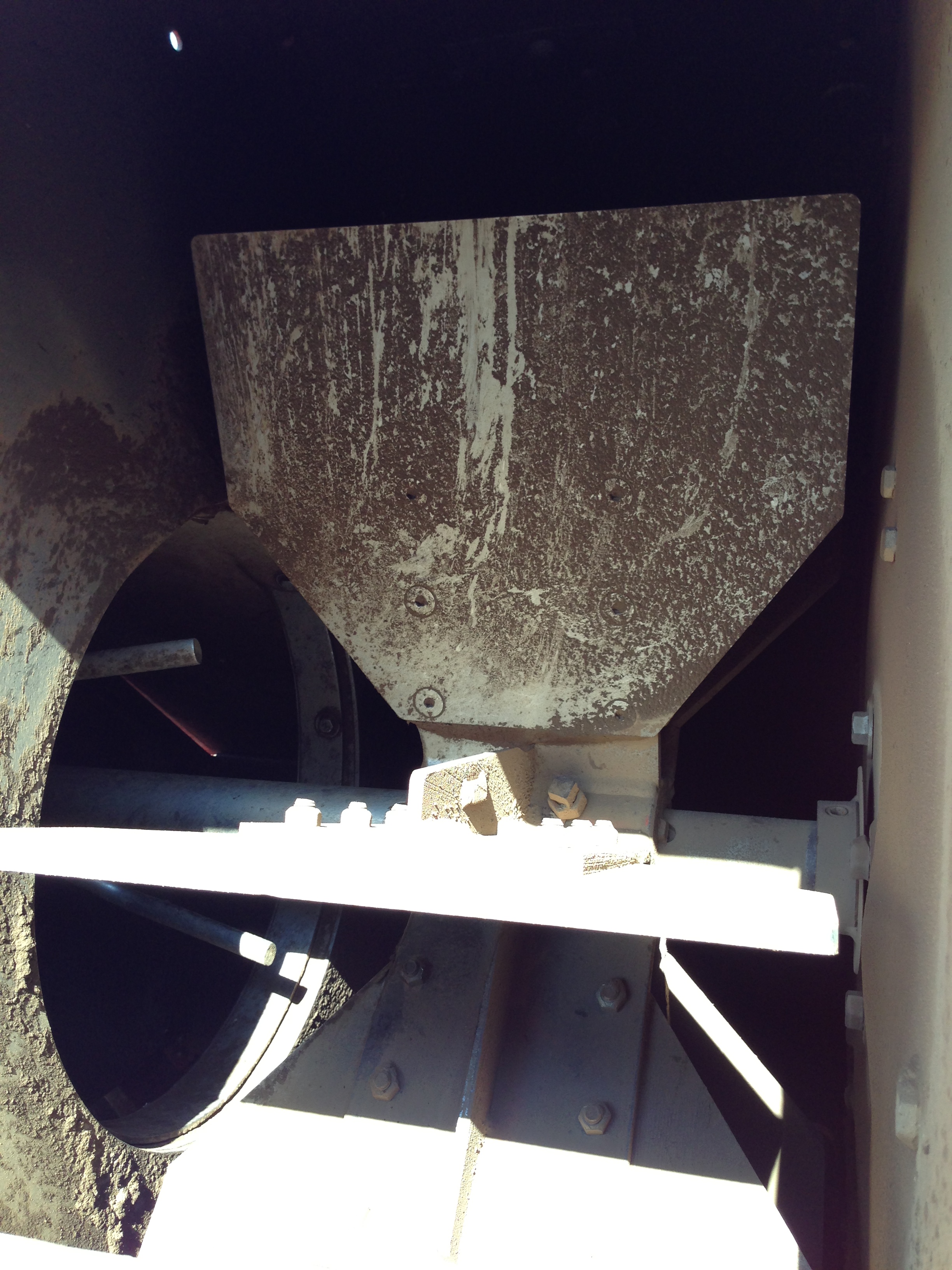
  5. Followed by a large powerful fan that blows all the lighter material out,
 6. Followed by another chain that moves the nuts out of the harvester and into a wagon. You can see it was a bit muddy while we were out there!
 7. Once the wagon gets full you have to unload it into totes using two more belts (you can imagine all the moving parts on this sucker…let’s just say there is a LOT of greasing to do everyday!)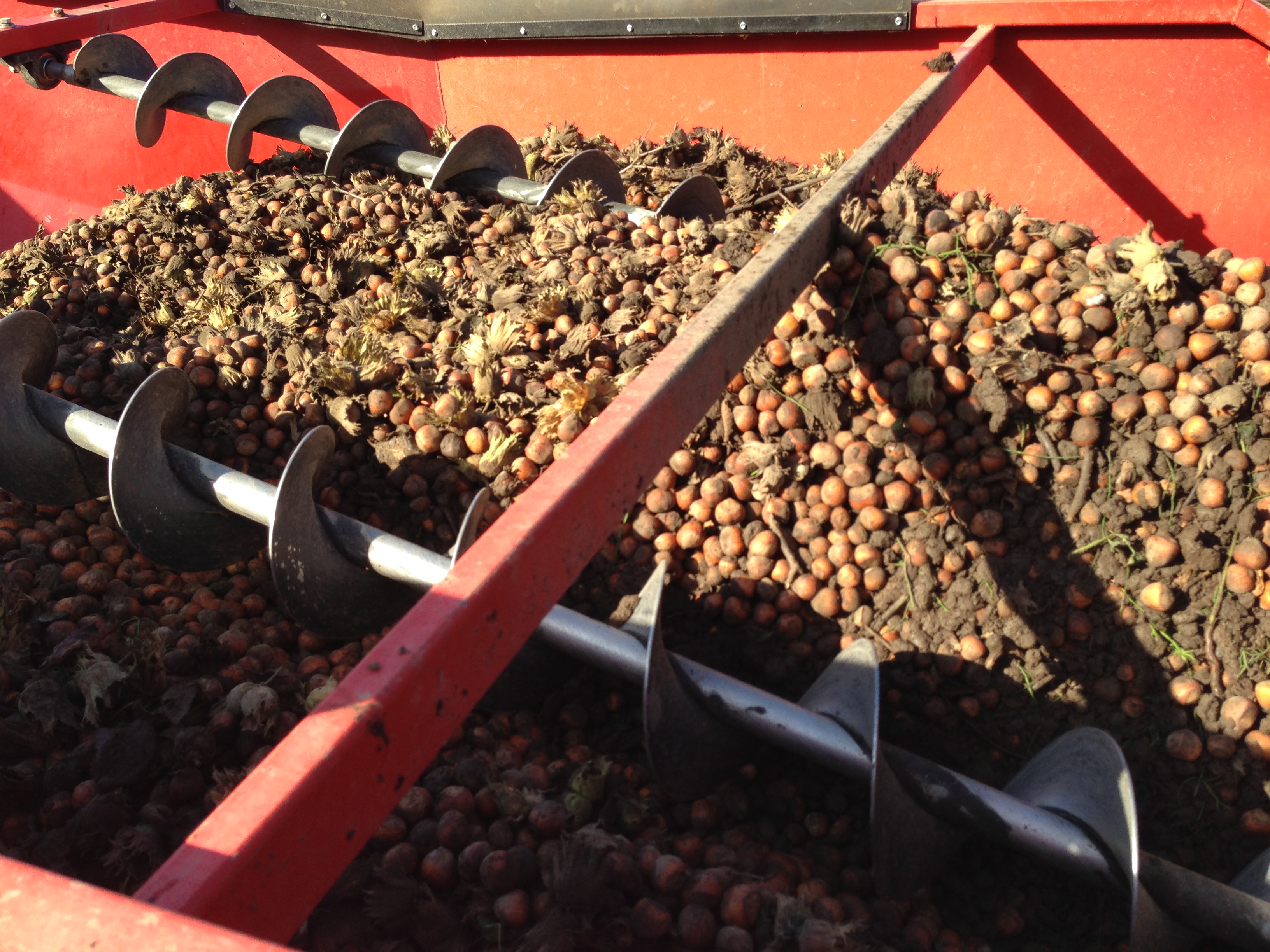
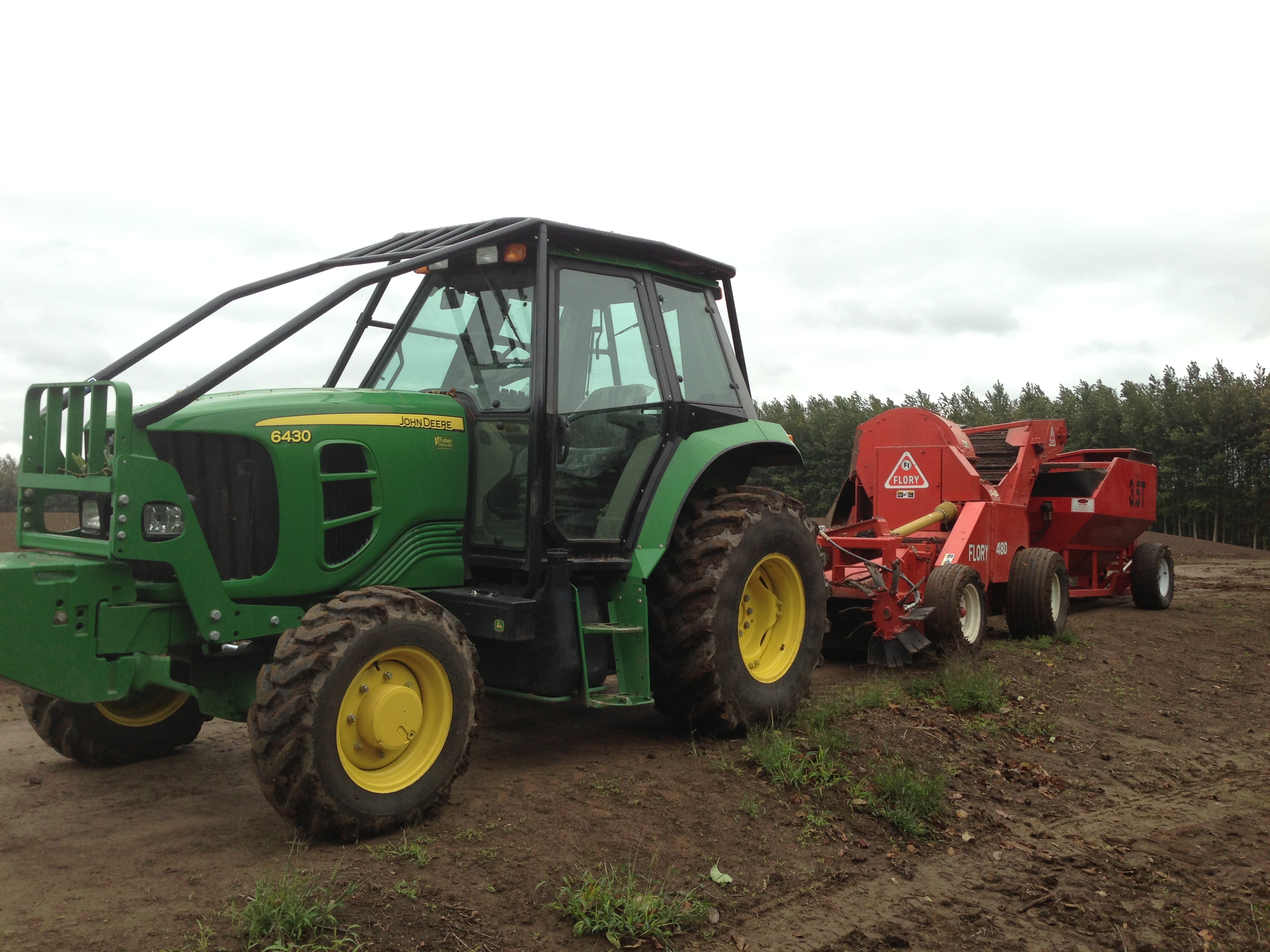 Here’s a photo of the whole long train of a harvester.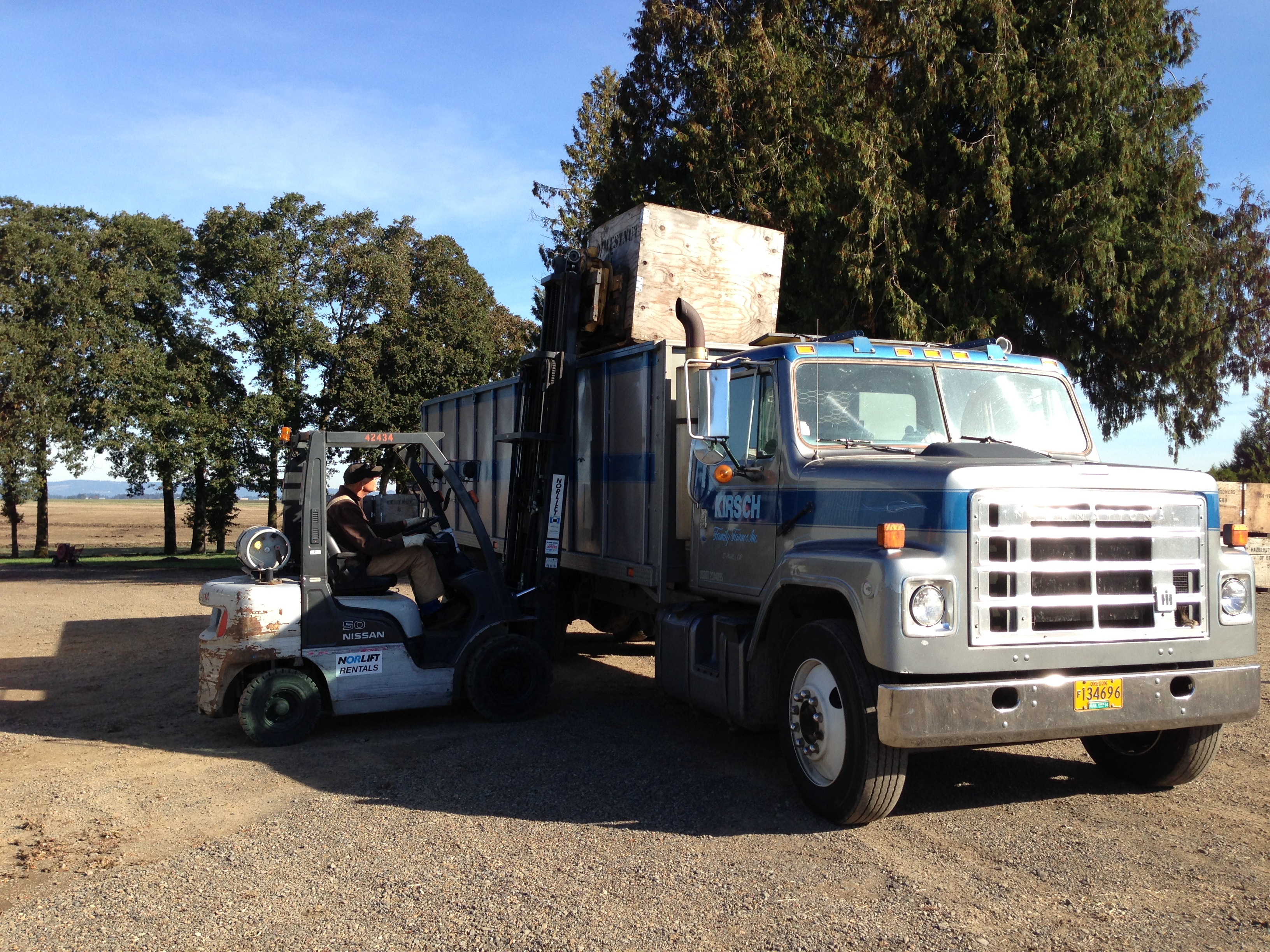
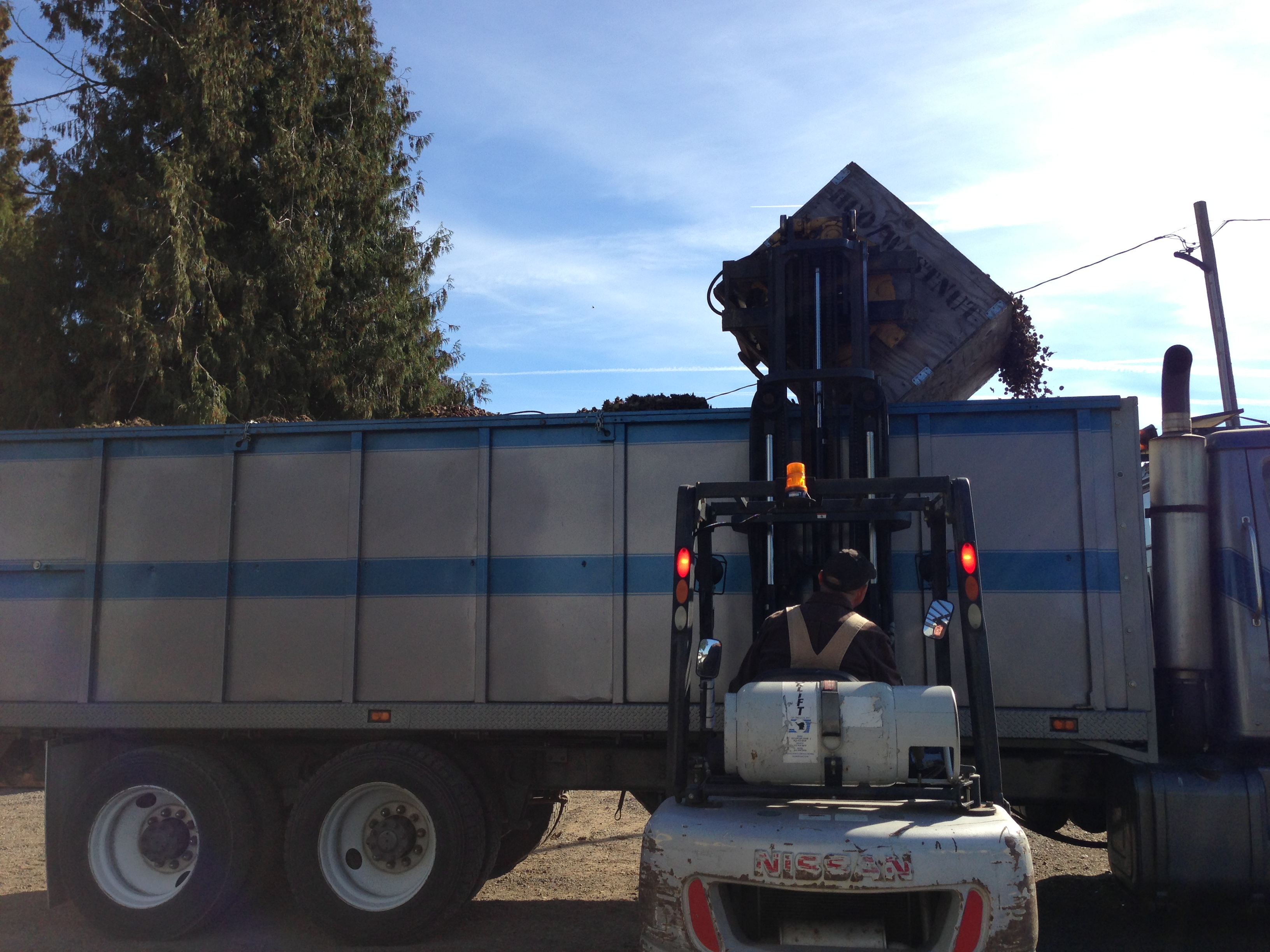 9. The processor in less than 8 days will have the nuts cleaned and dried while still in the shell, at this point they are pretty well preserved and won’t mold or go bad. They can be stored and shipped very easily.
We finished all of our acres up in just three long days, mostly days of sunshine so we can’t complain. We should head back out next week to get a few more into totes, the price looks great this year so it’s worth spending a little more money in fuel to put a few more nuts into totes.
So although our last harvest of the year is wrapping up, we are still hoping for some good weather to get more grass seed planted and fertilizing done. The fall is just beginning and for farmers in this area we don’t stop to take a breath usually until winter is in full swing.
 NuttyGrass