One More Harvest Left

We have one more crop to harvest here at Kirsch Family Farms.  Hazelnuts. I get asked a lot of questions about hazelnuts when I tell people that we grow them on our farm.  I usually can figure that I will get three common questions.

1. Where do hazelnuts grow?

2. How do you get them out of the trees?

3. Where do all the hazelnuts go?

So here are a few answers for you….

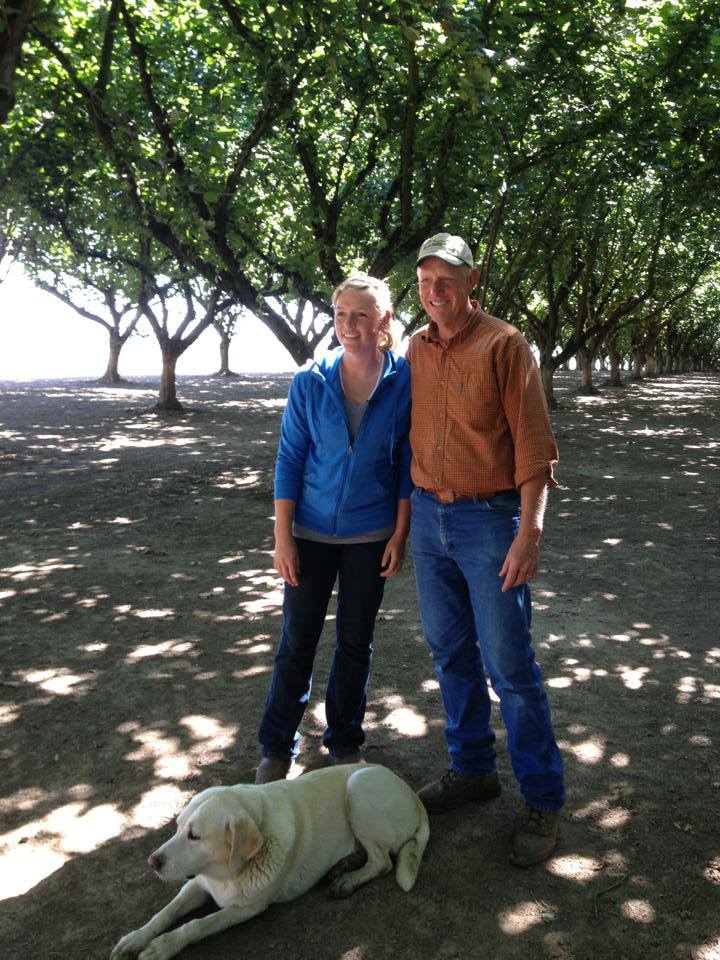
1. Hazelnuts grow on trees in orchards. Many times you will hear me and many other farmers refer to them as filberts, but don’t be too confused hazelnuts and filberts are the same thing.  The closest thing I’ve heard to a reasoning for the double name is that the tree is a filbert tree, but the nut is a hazelnut.  Don’t ask me why it has to be so confusing, it’s just the way it is. The trees can live for an extremely long time so you will see all sorts of sizes of trees.  Right now in Oregon there is a big boom of planting going on, so most commonly people will see baby trees being planted versus older orchards.
946643_10151507785337051_1513820139_n

2. The hazelnuts or filberts fall out of the tree naturally when they are ripe and ready for harvest.  Usually we have to count on a storm or two to blow them down and get the last bit of crop out of the trees.  Last week for instance we had a HUGE rain, it knocked a lot of nuts down.  But it’s still a bit early for a lot of the crop, so not everything is down yet.  In a few weeks I would guess we will get excited and get out there to pick up our crop.  I will post lost of pictures about this process but until then you can check out when I wrote last year on how we harvest.

Harvest from Start to Middle

Hazelnut Harvest, The Rest of the Story


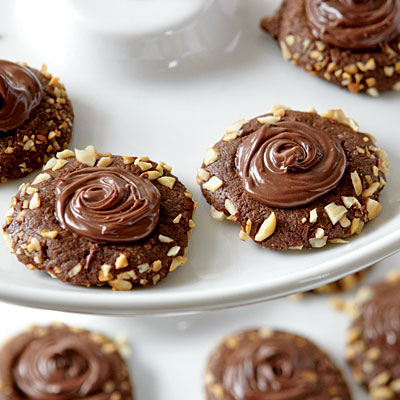
3. Majority of our hazelnuts are exported, mainly to China.  They love them over there as a snack food.  Actually just like we eat pistachios, after they have been salted and cracked, that’s how the Chinese like to enjoy Oregon hazelnuts!  The US market is also growing and growing as hazelnuts are found to be a very healthy snack food item.  Plus they are great in many different kinds of recipes from desserts to main dishes!
0912p258-chocolate-thumbprints-l

This is also an exciting year since we are harvesting our baby filbert trees for the first time!  After 4 years of watching them grow and grow we finally get to see some production off of these little guys!  Hopefully we will have some good news to report soon!

262112_747476613819_3819296_nThese are our baby trees just two years ago!
WE’RE DONE!!

We’re done with summer harvest!!!!

Peas for freezing – Check
Crimson Clover for seed – Check
Perennial Ryegrass for Seed – Check
Wheat for Seed – Check

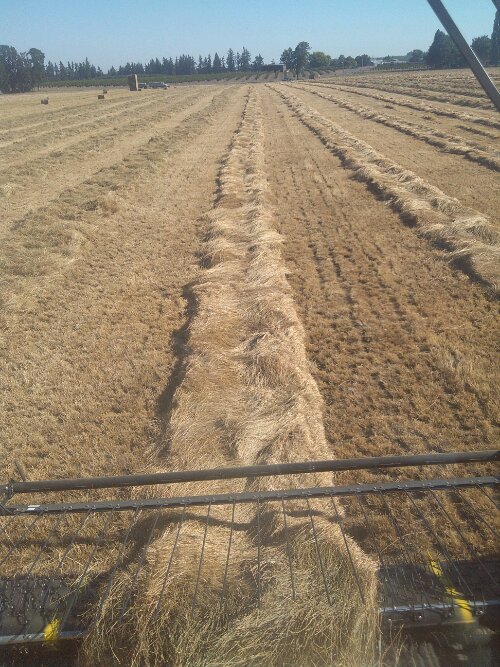
Combining wheat is always a little more fun than ryegrass I think.  Mostly because you get to cut while you combine.  In perennial ryegrass we have to swath at night, wait a week, then combine the already cut rows that look like this.

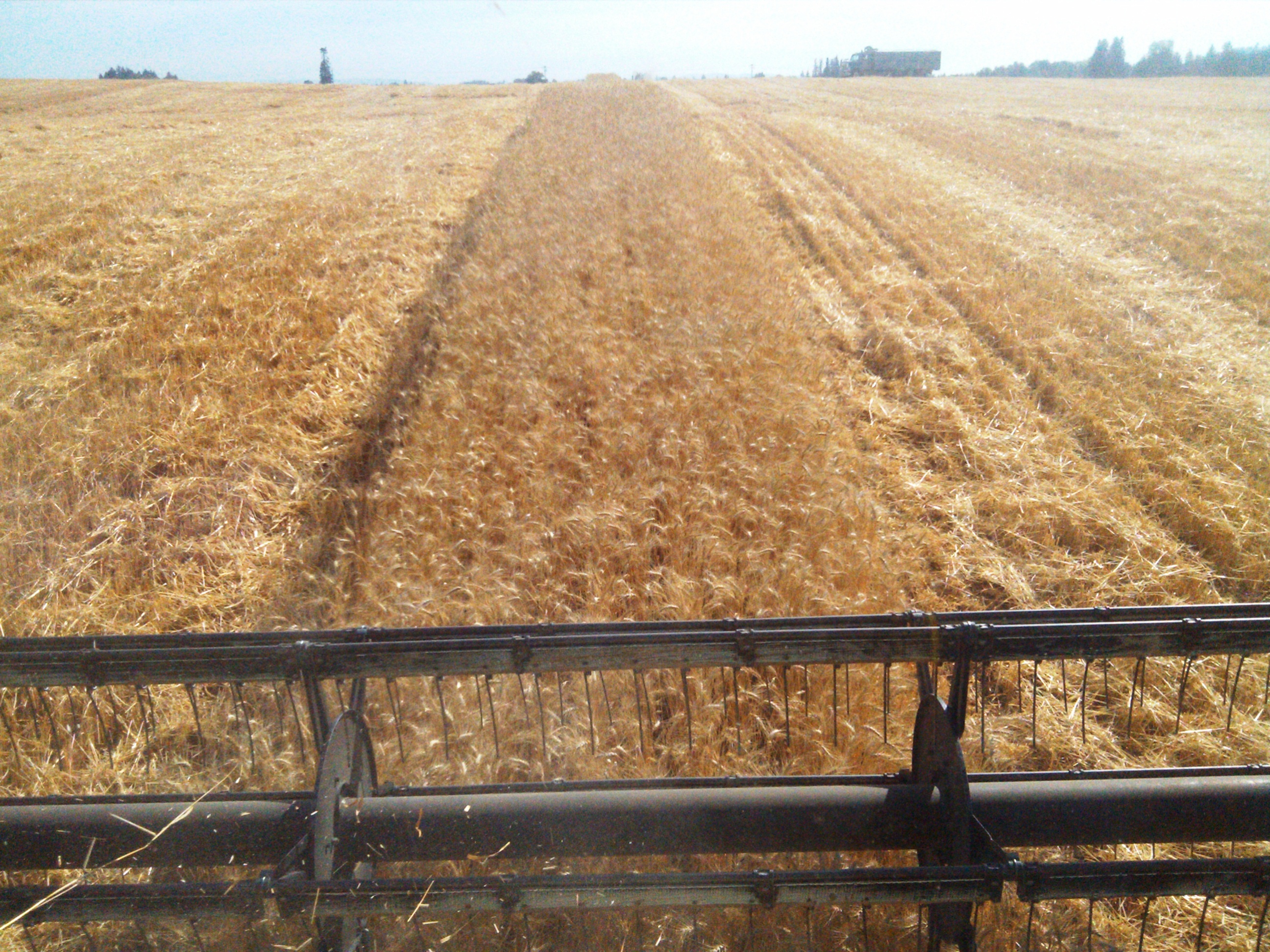
wpid-2013-07-19_17-41-09_902.jpgBut in wheat, we make the haircut while also separating the crop from the straw.  It looks like this:

2013-08-08_13-26-49_164

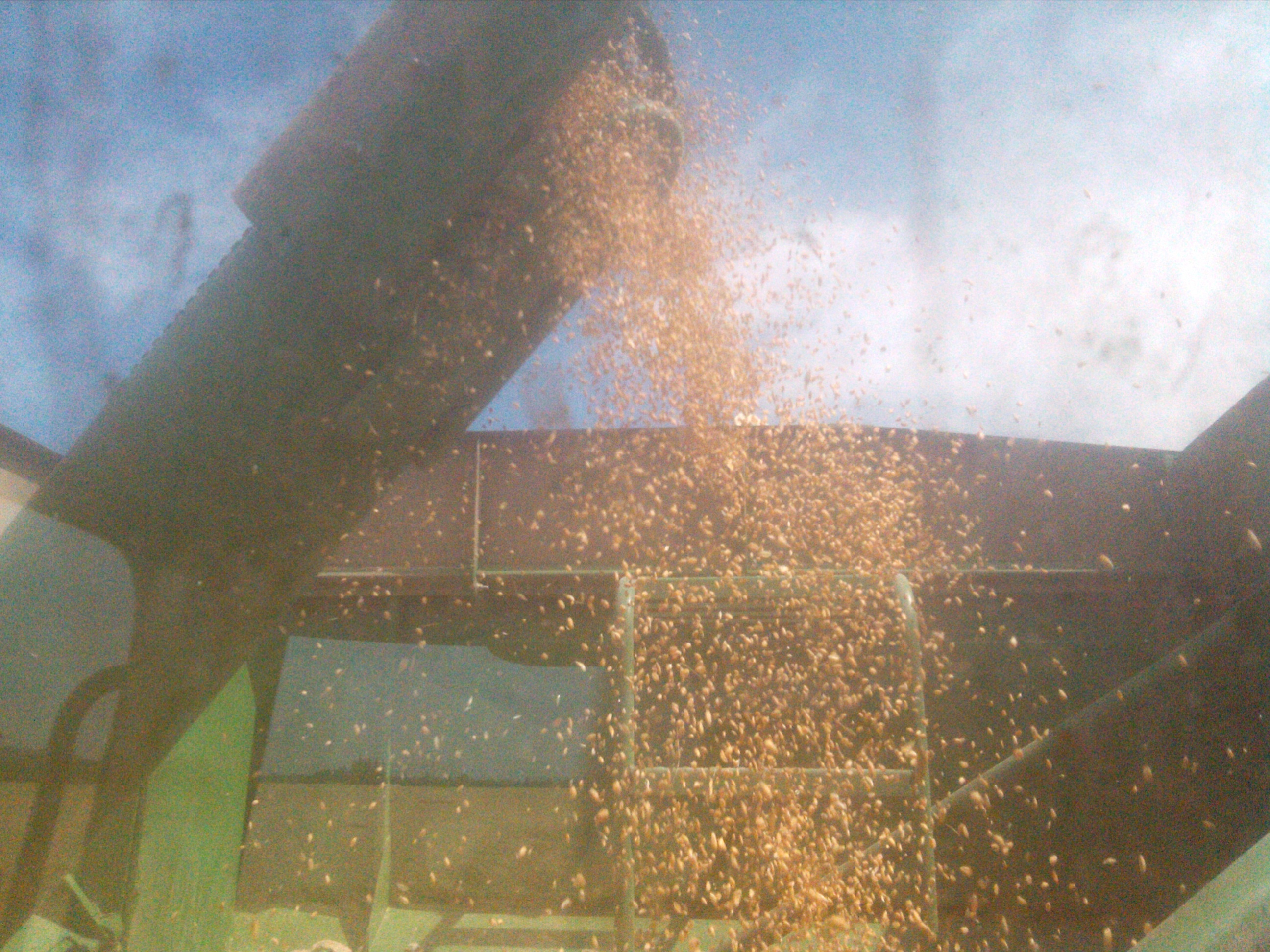
We also get to dump on the go, the combine never stops (unless you have a girl like me driving and you have to use the bathroom every hour, sorry dad!)

2013-08-07_12-18-43_317

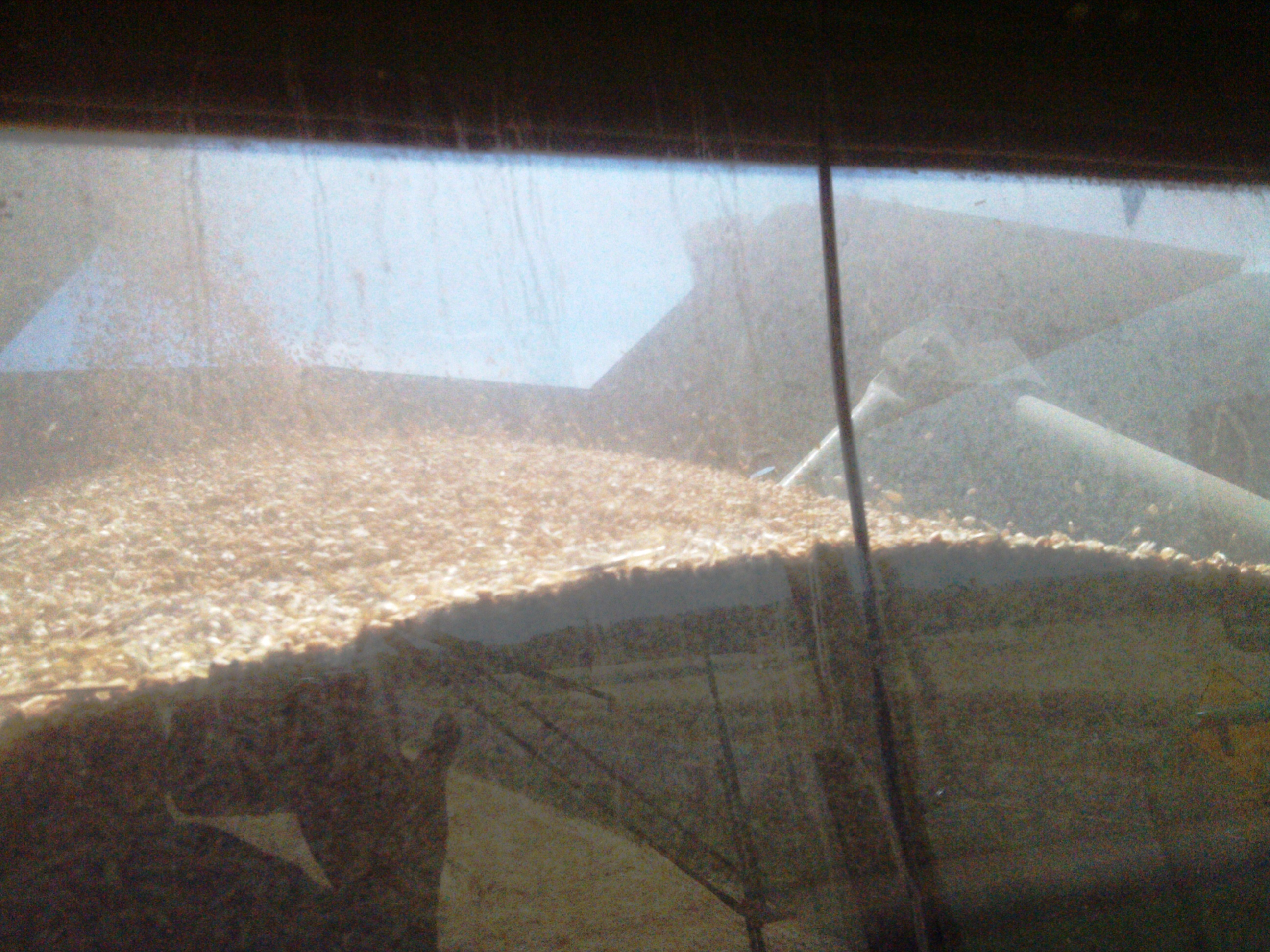
While in the cab you can look ta see the quality of the wheat that you’re combining by just looking through the window at the rear of the cab.

2013-08-07_11-53-47_9852013-08-07_12-41-50_164Here’s a picture of the final “Mohawk” I like to call it of wheat in our field.

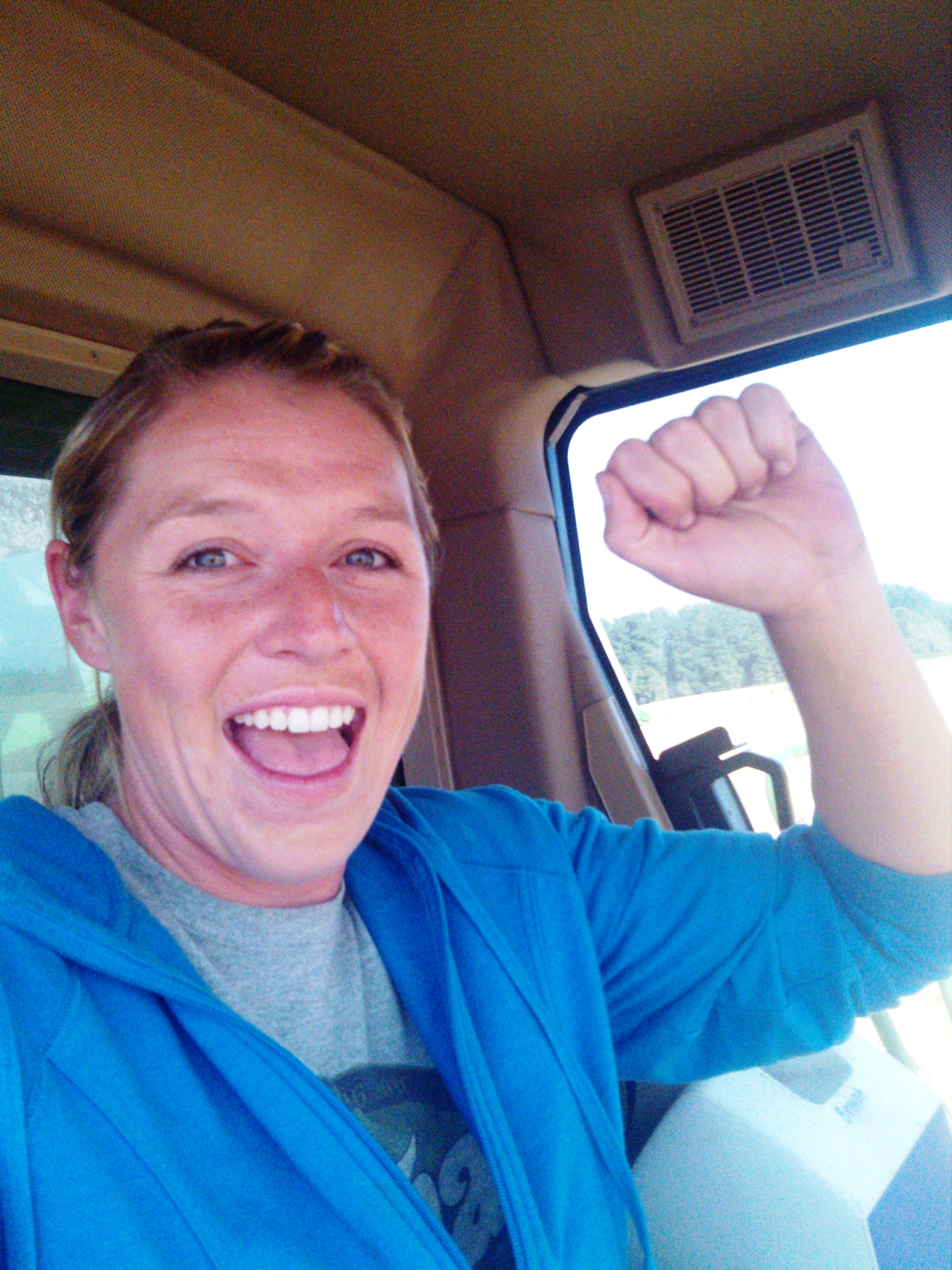
2013-08-08_17-13-50_671And here’s one of how I felt when we were finally done!

2013-08-08_17-17-36_717A finished up wheat field, time to head for the barn!

2013-08-08_18-04-00_184

Homestretch of Harvest

We have hit the homestretch of our summer harvest here!  We have just about 4 more days and (fingers crossed) we’ll be putting away the combines for the season.  That doesn’t mean that we’re done with summer work though, quite the opposite.

Because of the large diversity of crops you can grow here, our rotations are always changing.  And most of the rotations are planted in the fall.  Which means the moment that you get the crop from last year off the ground, it’s time to turn around, flail (mow) the field of last year’s crop, work the ground, get soil tests, and get the dirt ready to be planted for the next year. Right now we have 4 fields coming out of perennial ryegrass, 1 field coming out of peas, 3 fields that are done with crimson clover, and 2 fields that are going to be finished up soon from a wheat crop.  This equates to about half our farm that will change over this fall to new crops!  That’s no small amount of diesel, time and effort!

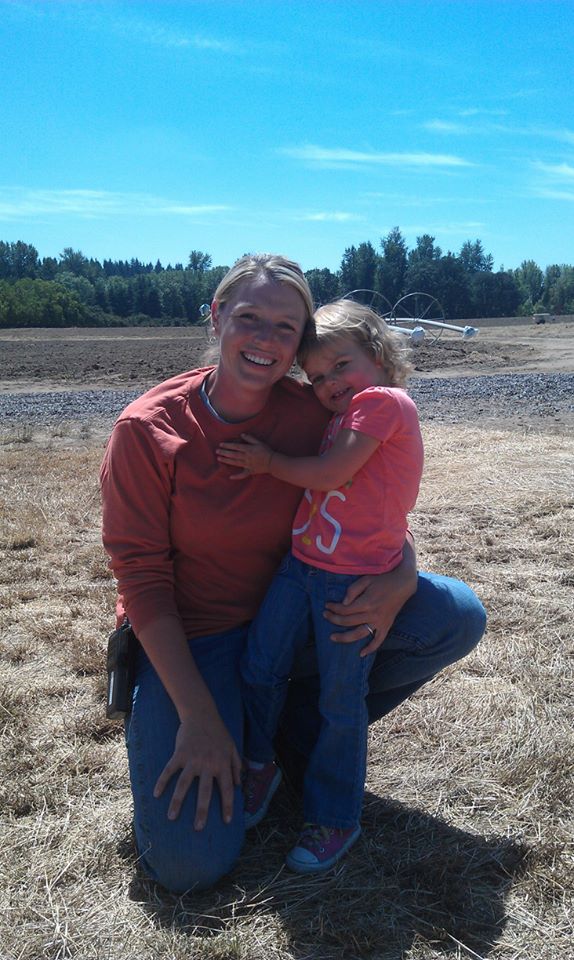
60095_10200864066777149_742203434_nHaving my little niece come out to say hi makes a day go by much faster!

We had a visitor out the the farm awhile back, as a person who has traveled the world visiting farms and ranches, he was amazed that we had teenagers driving our harvesting equipment.  “It has been my experience that usually it’s the boss or the most senior worker who runs the harvesters, it’s crazy to see young kids up there!”  But in this area, we don’t just have one crop to get off the ground and into the bin.  We have that, but then we also have tractor work going on, mouse bait to spread (because of the geese in our area we only have a small window to get this on), plus all the stuff that I break has to be fixed, the list just goes on and on.  There’s not a lot of room for the boss to jump on a combine for three weeks.

So as well all stumble into work today, thinking about just a few more 15 hour days ahead of us, it does feel good to know that most of harvest is behind us and it’s time to move forward to next year’s crop, taking care of the land, and getting it all planted, so it can produce another round of good crops in 2014!