Feels Like Spring Fertilizing Weather

Sometimes when I walk outside in the morning I can feel in my bones it’s time for a specific task to happen on the farm. It may be the smell of fresh cut grass because it finally dried up enough to get out there on the mower, or the dew, or settled dust, or the temperature of the air. But all those things come together on certain days to just say the season is changing and it’s time to “blank”. Maybe I’m the only that experiences this, but I doubt it. Whether it’s time to harvest, time to feed the crops, time to kill some weeds or prune some trees, that seasonality becomes a part of what you feel when that first morning air hits you.

And of course there are growing degree days to pay attention to, fields to walk, work orders sent from our field men, and of course neighbor farms to watch. But there’s also a rhythm to the seasons that gets ingrained in you when it hits year after year.

This is our fertilizer buggy, it may look fairly Mad Max but she gets the job done!

So this morning as I loaded the kids onto the bus to head to school, all I could think was, “Goodness it feels like spring fertilizing weather out here!” My intuition may be helped by the fact that we have planned to start fertilizing, and also that we had some amazing warm days last week that helped dry out the fields from some pretty deep puddles. But either way, today is a great day to get out there on some finally dry dirt and start feeding our plants so they can get to their job of growing a healthy crop!

Summer Workers

School is out for the summer, and while we have camps and a few fun outings planned, most of our summer is full of work on the farm.

This week was a juggle of childcare so I got to take the boys out for a few hours to work with me. We checked a few (very tall) tall fescue fields and headed out to a newly planted orchard to count trees. We planted a number of new baby hazelnut trees this past winter, and most are looking great, but there are a few dead ones that will need to be replanted.

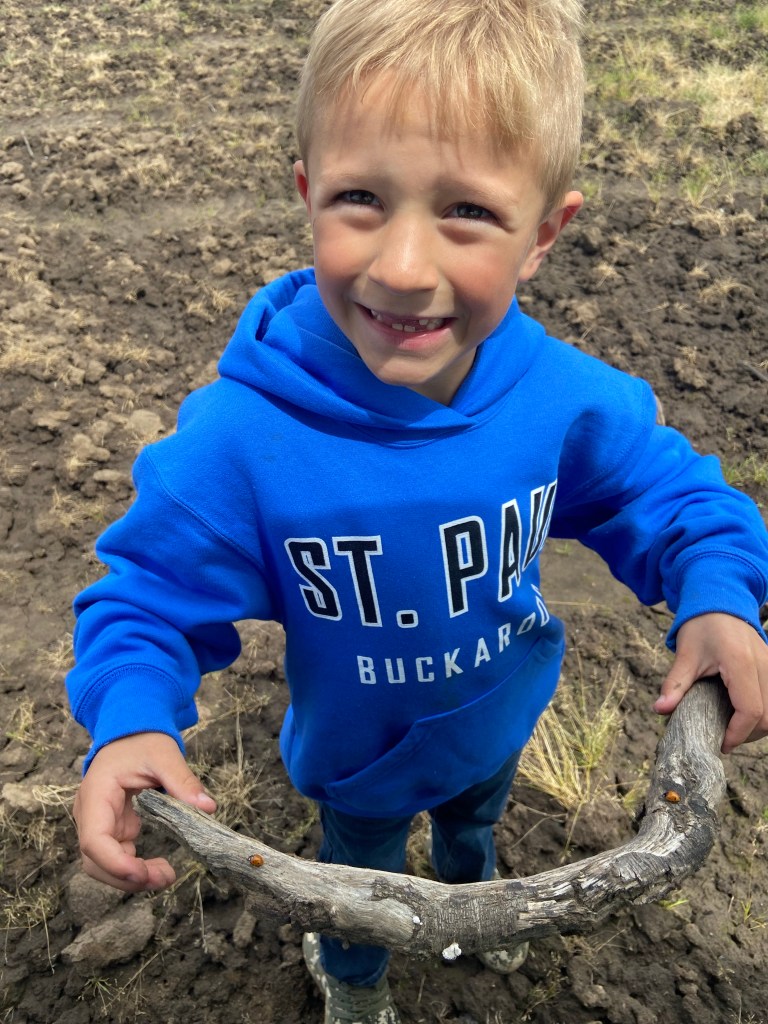
So Hoot, Auggie and I headed out to do some tallying. A skill Auggie was very proud to have learned this year in kindergarten.

This spring and moving now into summer has been a struggle with the weather and rising costs. It’s a very uneasy time to be a farmer with all that has hit us this year that is out of our control. But it’s also just really amazing to get to be outside, teaching your kids all about what you love to do and seeing how much they love it also!

Someday these summer workers will be full time around here….probably (as I’m told often) before I know it!

Baby Grass Seed Scouting

Yesterday was a beautiful day here in the Willamette Valley! And when you get beautiful days in November it’s usually the best time to go and look to see how the fields are doing.

We have planted a number of perennial ryegrass seed acres this fall, referred to often as “baby fields”. And as my husband Matt likes to say, “Baby perennial ryegrass is always looking for a way to die!” What he means is that when perennial ryegrass is just starting out it makes for a delicious meal for both slugs and geese, and when they attack they can decimate acres and acres in just a few days. So we often go out to make sure as it’s coming up that it’s being protected as best we can.

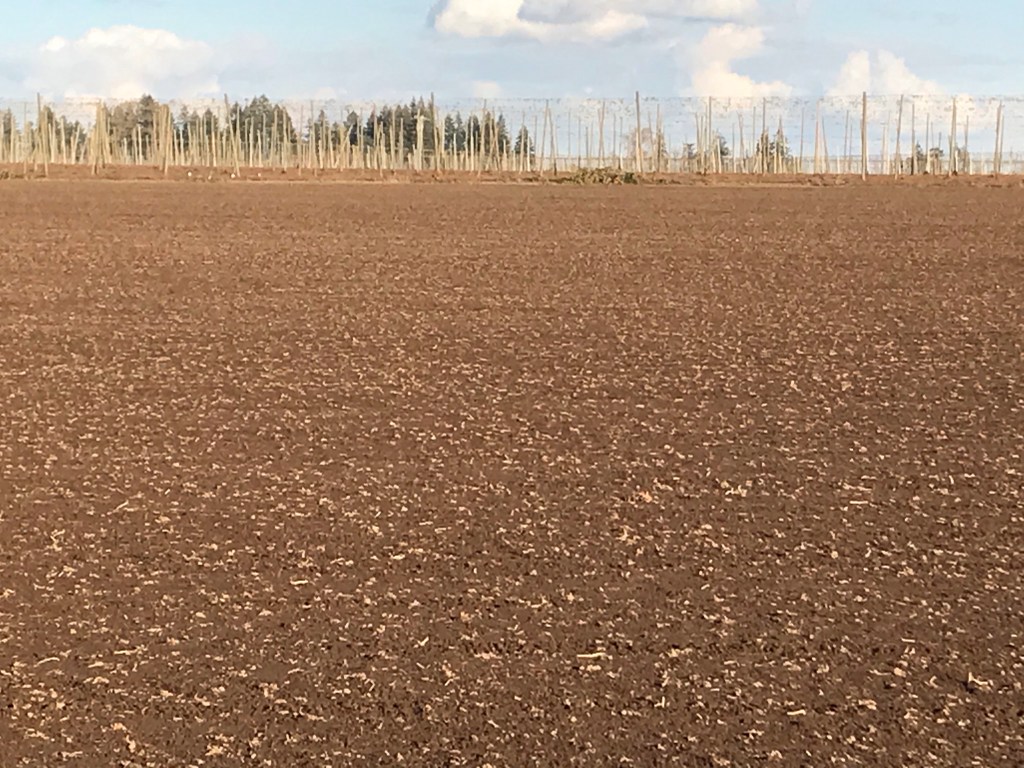
To tell you the truth as we headed out across the field it didn’t look very good. It just looked like a lot of open soil with no sprout. Which isn’t ideal when you’re trying to get a field to grow.

But we didn’t let it worry us too much. This field wasn’t planted too long ago and we knew that it should just be starting to sprout. So with a closer inspection, this field is actually doing quite well as it just starts to come out of the ground.

That’s what we call the start of being able to “row up” a grass seed planting. And the good news is that while we found a few slugs, the bait that we put out a week ago is still protecting the grass as it sprouts. And as far as geese it didn’t look like they had found it yet, so we will continue to scout for them as they fly over and more than likely also start to spot the rows of tasty grass.

We also saw a lot of worm castings which is a sign of good soil health. You can see in this photo all the small dry bits of soil, that is all from worm activity.

These fields will need to be protected through the winter from the slugs, geese, and kept clean from weeds that will inevitably sprout through the dormant and growing season. Before harvest next July we will be out scouting our acres every few weeks, if not everyday depending on the conditions in the fields. Today was a beautiful day to get this done, I’m sure my rain coat and muck boot wearing days aren’t far away though…this is Oregon after all!